This handbook highlights the flexibilities in the Federal Acquisition Regulation (FAR) that can help agencies implement “plays” from the Digital Services Playbook, with a particular focus on how to use contractors to support an iterative, customer-driven software development process.
Drawing on interviews and convenings with experts and practitioners from the field of public interest technology, this report contains recommendations across five core priority action areas for cross-sector innovation and collaboration to improve state benefits systems through procurement practices.
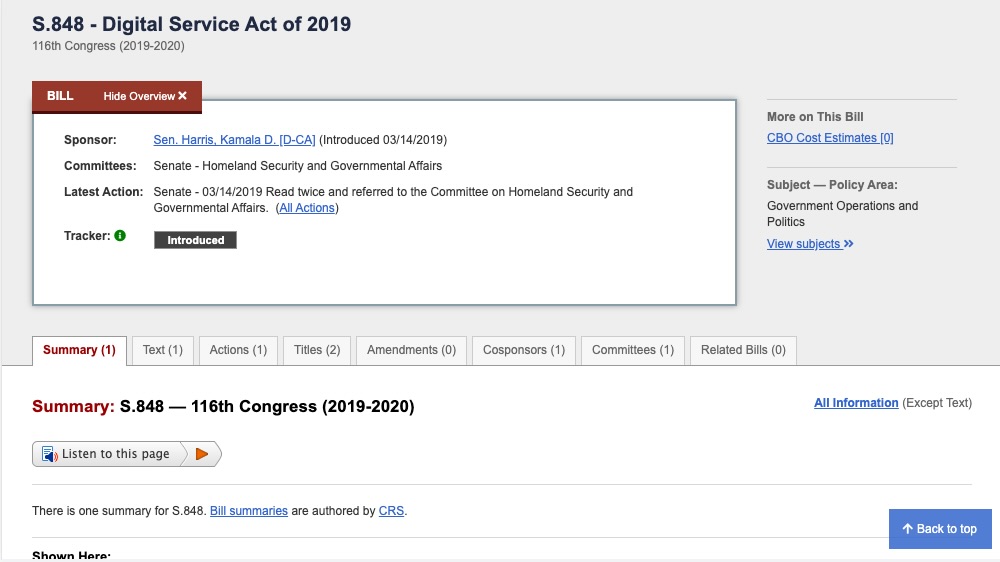
This bill authorizes the U.S. Digital Service to make a grant to a state, Indian tribe, or local government to establish or support a team of relevant experts dedicated to modernizing the delivery of government services to the public through information technology. A state, tribe, or local government may receive up to two such grants.
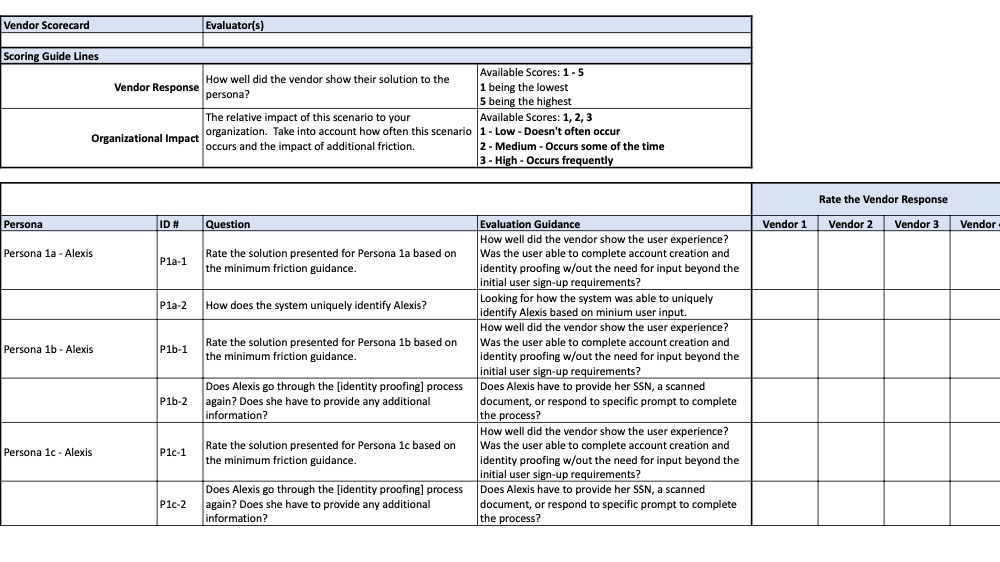
This scoring matrix from the California Employment Development Department (EDD) shows how the agency evaluated vendor proposals for a new identity proofing approach, based on vendors' ability to serve different user personas.
State of California Employment Development Department (EDD)
The State of California government published guidelines for the safe and effective use of Generative Artificial (GenAI) within state agencies, in accordance with Governor Newsom's Executive Order N-12-23 on Generative Artificial Intelligence.
This article discusses the various benefits of publicly-funded open-source software. These benefits include fairness and transparency, economic stimulus, and support of the Federal Source Code Policy Agenda.