In December 2024, the Digital Benefits Network released an updated open dataset on authentication and identity proofing requirements across various public benefits applications to highlight best practices and areas for improvement in identity management.
This post argues that for the types of large-scale, organized fraud attacks that many state benefits systems saw during the pandemic, solutions grounded in cybersecurity methods may be far more effective than creating or adopting automated systems.
The US General Services Administration announces that it is seeking a limited number of state and local government partners to take advantage of login.gov to administer their federally funded programs.
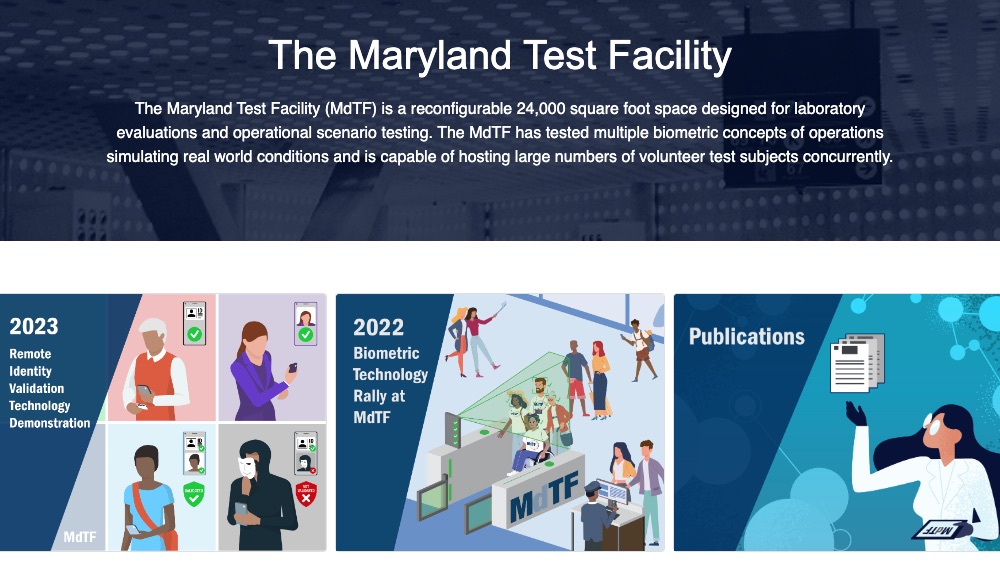
The Department of Homeland Security's Biometric and Identity Technology Center (BI-TC) has hosted Biometric Technology Rallies to test new and emerging biometric technologies since 2018. This website hosts information about the 2022 and 2023 rallies.
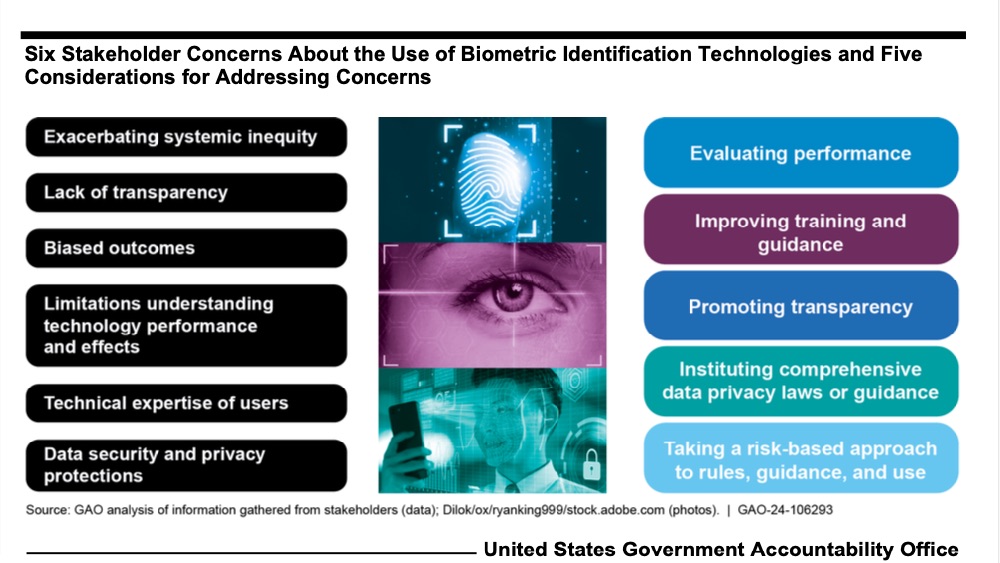
Biometric identification technologies—such as facial recognition and fingerprinting—can affect underserved communities, including low-income and minority communities. GAO interviewed academics, advocacy groups, and technology experts to find out how.
On May 19, 2023, the Digital Benefits Network published a new, open dataset documenting authentication and identity proofing requirements across online SNAP, WIC, TANF, Medicaid, child care (CCAP)applications, and unemployment insurance applications. This page includes data and observations about authentication and identity proofing steps specifically for online unemployment insurance applications.