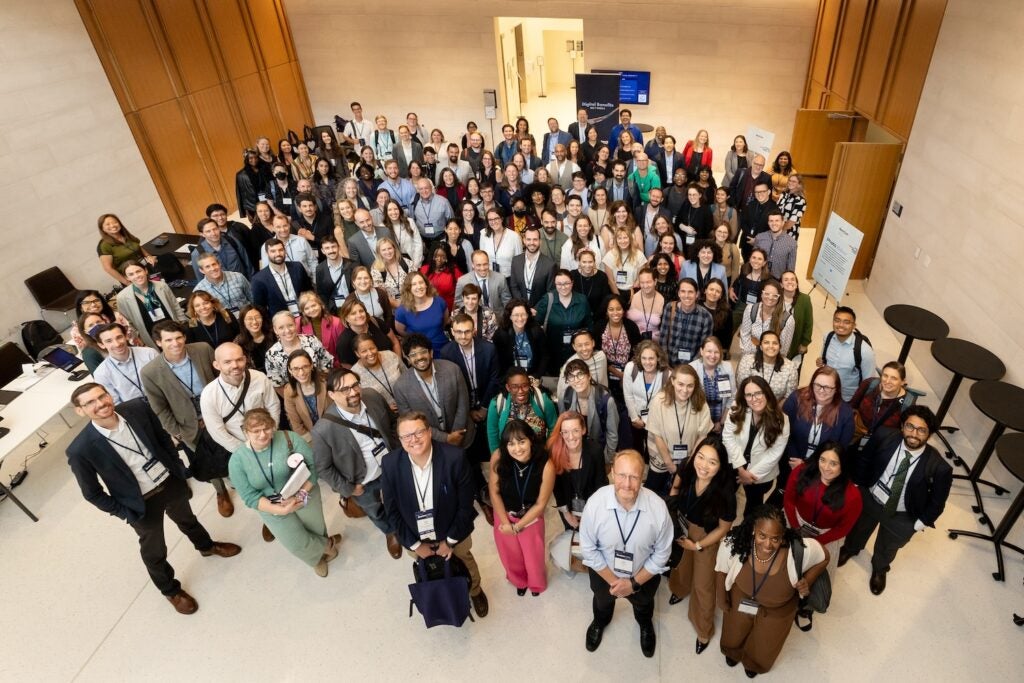
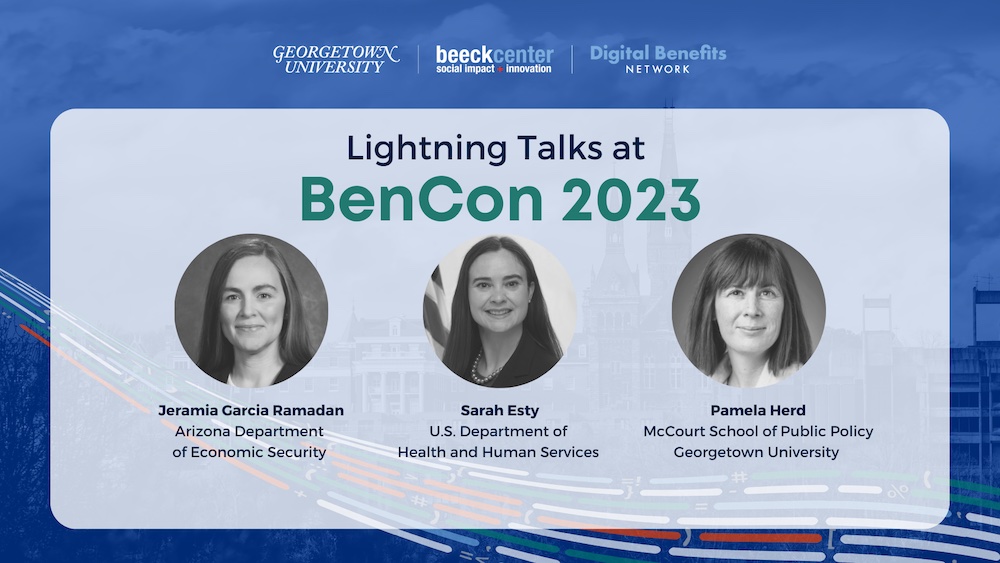
A recap of the two-day conference focused on charting the course to excellence in digital benefits delivery hosted at Georgetown University and online.
This session from FormFest 2024 featured the Department of Homeland Security and the United States Digital Service talking about their work to reduce form burdens for internal and external users.
This session from FormFest 2024 features Arizona’s form improvement capacity building initiative and Massachusetts’ form improvements that were a result of the Delivering a Digital-First Public Experience act.
This report explores innovative solutions and insights from CMS Innovation Center's Hackathon series to address the unique healthcare challenges faced by rural, Tribal, and geographically isolated communities.
The story of Andrew Petrisin and the FLOW system demonstrates how the U.S. DOT successfully overcame barriers in government tech by building a collaborative, user-centered logistics platform that provided value to stakeholders during the 2021 supply chain crisis.
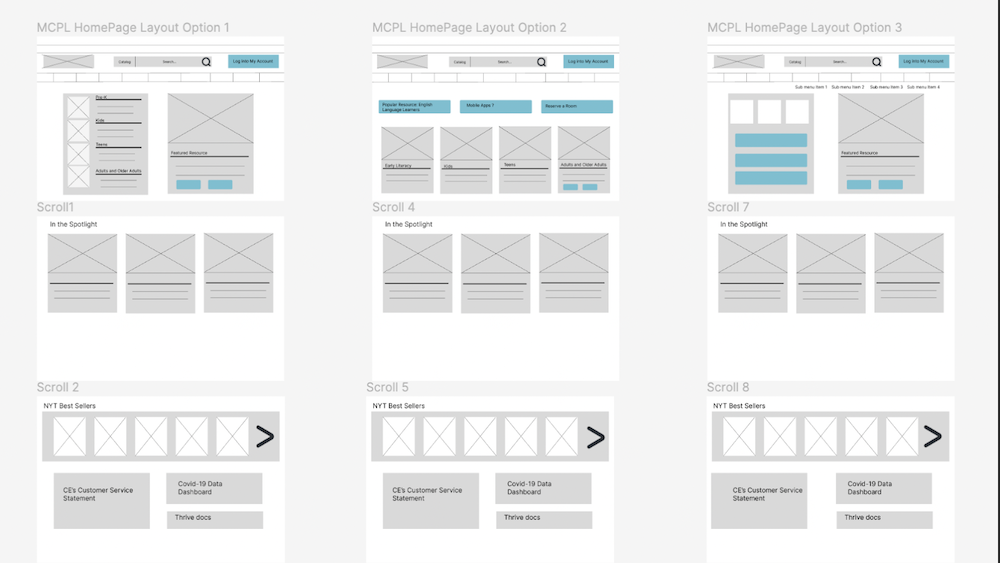
The folder for the Montgomery County Library Website Redesign contains draft materials, including design specifications of the current menu, an audit of menu items, and wireframes for the new homepage layout, providing a foundation for the site's improved structure and navigation.