Initially created for and shared with staff at the Administration for Children and Families, this webinar provides an introduction to Universal Design, covering plain language, accessibility, user research, and Agile development.
This blog explains how to provide culturally and linguistically appropriate services to individuals who have experienced trafficking, emphasizing the importance of cultural competence and the CLAS Standards.
U.S. Department of Health and Human Services (HHS)
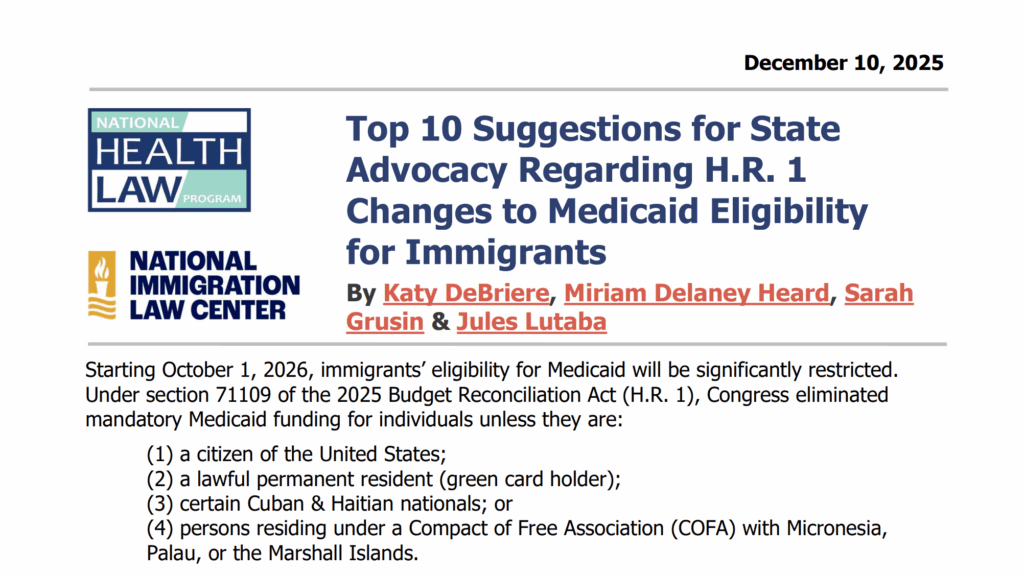
A policy guidance document outlining practical steps states can take to reduce harm to immigrant communities following major Medicaid eligibility restrictions enacted under federal budget reconciliation legislation.
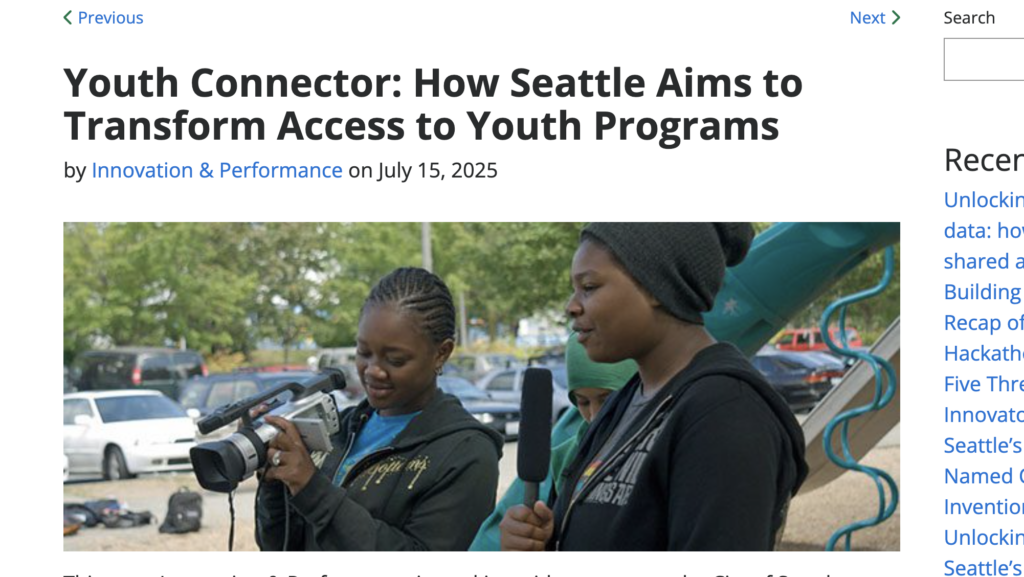
A blog post describing Seattle’s Youth Connector initiative, a city effort to make it easier for young people to discover, access, and connect with youth programs and supports that promote mental health, enrichment, and opportunity.
The Digital Service Network (DSN) spoke with Chief Digital Officer (CDO) Julia Gutiérrez of the Digital Services (DS) Team in the Department of Innovation and Technology (DoIT) and Chief Mariangely Solís Cervera of Boston’s Equity and Inclusion Cabinet.
This article shares insights from Minnesota-based focus groups, revealing that low-income women navigating unemployment insurance often face confusion and uncertainty around eligibility, complex administrative processes, and additional challenges related to childcare, housing stability, and mistrust of benefit systems.
This paper describes the policy choices, business practices, and technology innovations that the State of New Jersey is employing to ensure that the right people get benefits — accurately and on time.