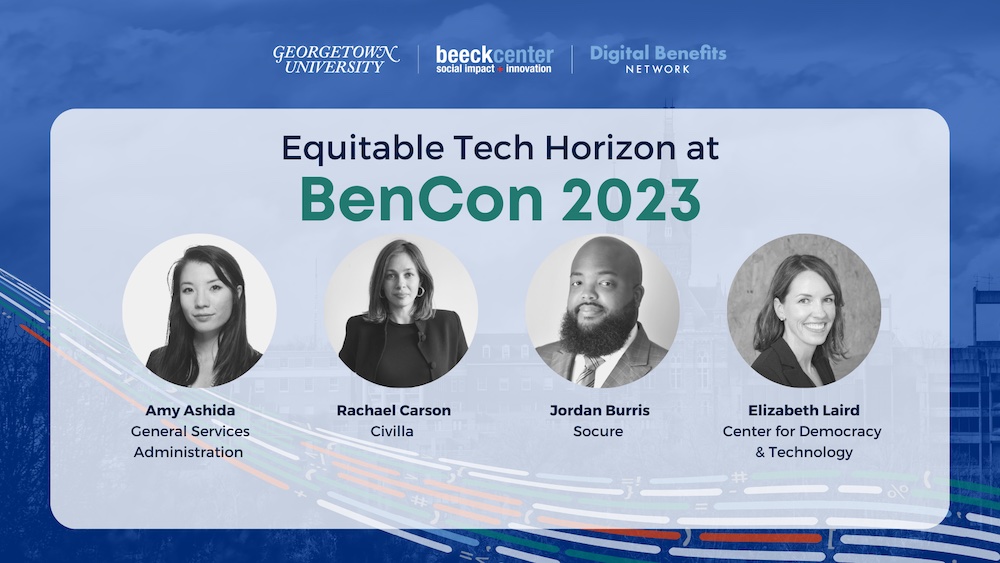
Hear perspectives on topics including centering beneficiaries and workers in new ways, digital service delivery, digital identity, and automation.This video was recorded at the Digital Benefits Conference (BenCon) on June 14, 2023.
This primer is written for a non-technical audience to increase understanding of the terminology, applications, and difficulties of evaluating facial recognition technologies.
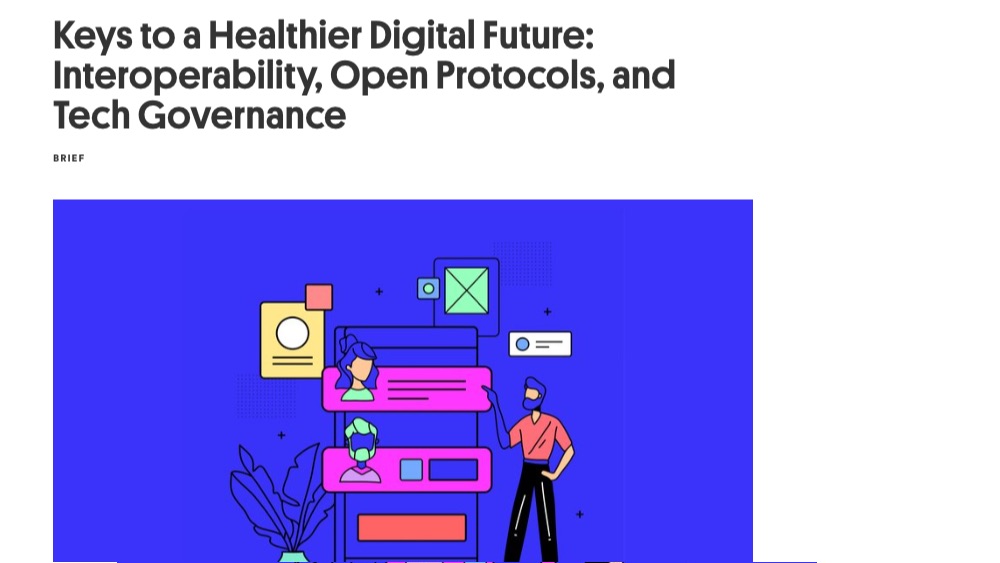
This research brief summarizes the ideas and recommendations from sessions with dozens of cross-sector stakeholders within the technology ecosystem to identify conditions for better, healthier, more secure digital ecosystems that could help guide the next generation of open protocols and platforms.
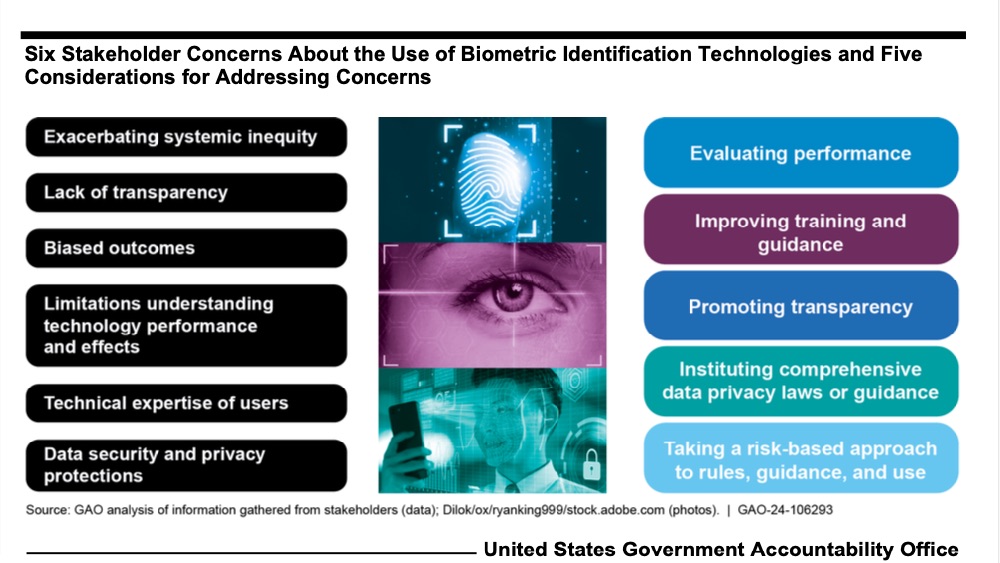
Biometric identification technologies—such as facial recognition and fingerprinting—can affect underserved communities, including low-income and minority communities. GAO interviewed academics, advocacy groups, and technology experts to find out how.
This report analyzes the current state of digital identity in the United States, outlines challenges such as privacy concerns, fragmented systems, and lack of standards, and proposes policy and technology solutions to build a secure, interoperable, and user-friendly national digital identity framework.
Information Technology & Innovation Foundation (ITIF)
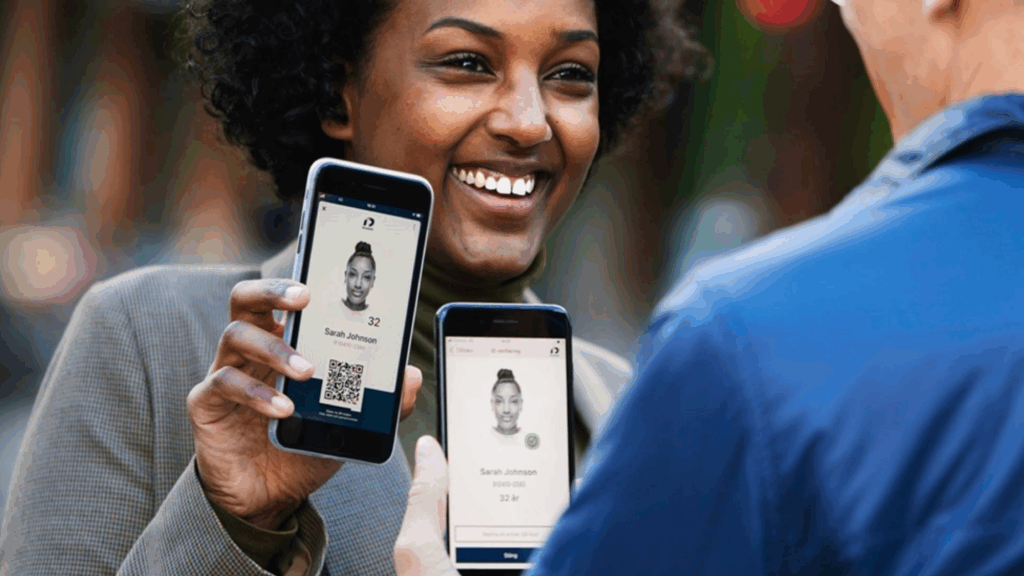
A presentation outlining Colorado’s implementation of mobile driver’s licenses (mDLs), explaining the technology standards, privacy protections, adoption landscape, and verification tools for businesses and agencies.
This report outlines key lessons and recommendations from Code for America's collaboration with the Voluntary Income Tax Assistance program, which served over 800,000 clients via GetYourRefund.org.
The US General Services Administration announces that it is seeking a limited number of state and local government partners to take advantage of login.gov to administer their federally funded programs.
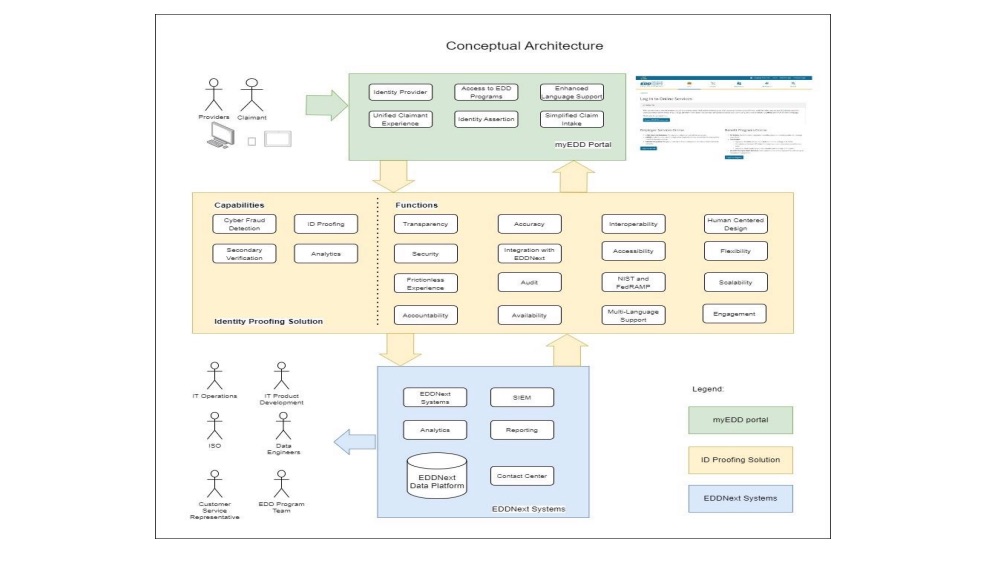
This 2023 presentation from the California Employment Development Department details the user personas the agency used to evaluate vendor proposals for a new identity proofing contract.
State of California Employment Development Department (EDD)