The document outlines revisions to OMB's SPD No. 15, which updates the standards for collecting and presenting federal race and ethnicity data, including the integration of race and ethnicity questions, the addition of a MENA category, and requirements for more detailed data collection.
Key functionalities and design elements recommended for creating effective online WIC applications, focusing on usability, accessibility, and compliance to improve participant experience and streamline agency operations.
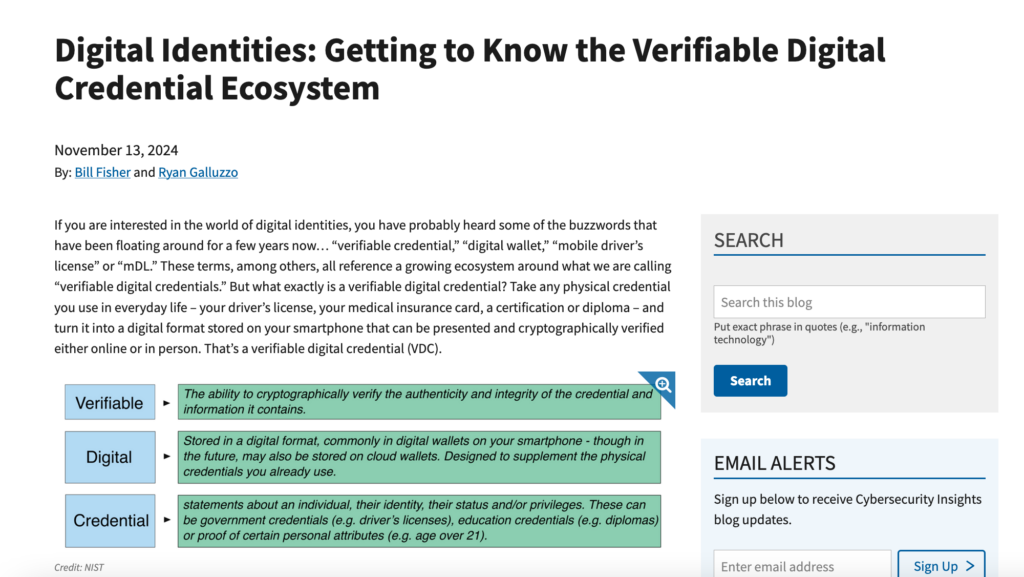
This blog explains that verifiable digital credentials (VDCs) are cryptographically secure digital versions of physical credentials (like driver’s licenses or diplomas) stored in digital wallets that can be presented and verified online or in person.
National Institute of Standards and Technology (NIST)
An internal overview presentation showcasing Austin Transportation and Public Works’ Data & Technology Services team, its structure, values, and approach to delivering modern digital government services.
This one-pager introduces Iowa Child Care Connect (C3), a centralized data system that integrates near-real-time child care data to support families, providers, policymakers, and economic development efforts across the state.
This article highlights how state unemployment insurance (UI) agencies are leveraging data to modernize systems and enhance access for unemployed workers.
This report provides an overview of the task force’s work in assessing, guiding, and recommending policies for the safe, ethical, and effective use of generative AI across Alabama’s executive-branch agencies.
State of Alabama Generative Artificial Intelligence (GenAI) Task Force