This is a modular, dynamic roadmap guides the U.S. HHS's ongoing implementation of open data policies while inviting public collaboration and feedback.
U.S. Department of Health and Human Services (HHS)
An outline of the opportunities for modernizing SNAP to better meet participant needs by streamlining enrollment, improving digital access, and enhancing coordination with other safety net services.
In this webinar, a panel of experts discuss what states can do right now to improve EBT security, how to use data to analyze theft patterns, and how EBT payment technology needs to evolve to ensure efficiency, security, and dignity for beneficiaries.
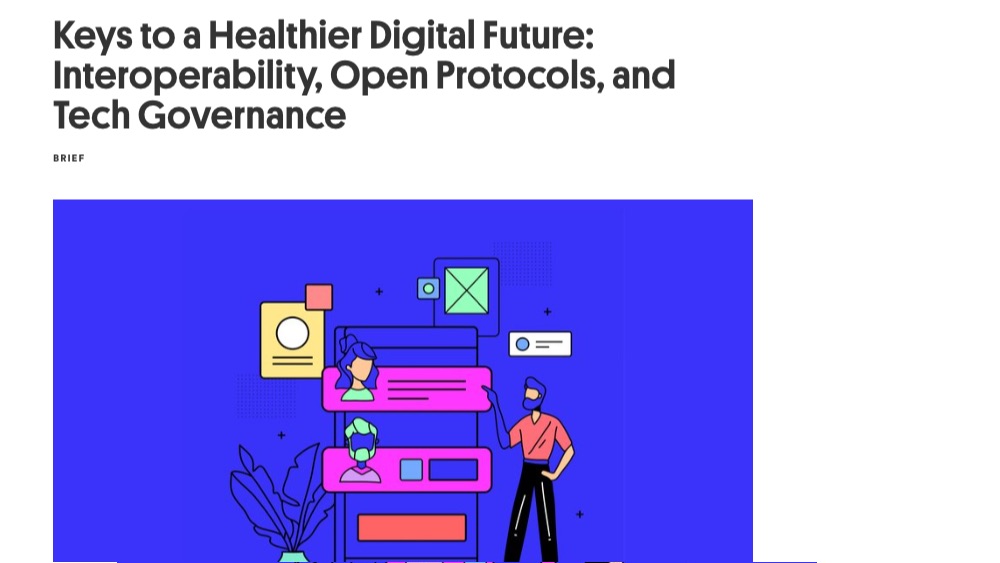
This research brief summarizes the ideas and recommendations from sessions with dozens of cross-sector stakeholders within the technology ecosystem to identify conditions for better, healthier, more secure digital ecosystems that could help guide the next generation of open protocols and platforms.
These standardized guidelines are intended to manage data quality across Hawaii state agencies, covering key dimensions, compliance expectations, and best practices for both general and geospatial data.
This playbook shares best practices and innovations related to data and analytical approaches for improving grant outcomes. Equitable data practices improve the effectiveness and efficiency of federal program dollars through better resource allocation and more informed decision-making.
This tip sheet provides guidance for child welfare and social service agencies on how to effectively and respectfully collect SOGIE (Sexual Orientation, Gender Identity, and Expression) data.
U.S. Department of Health and Human Services (HHS)
This toolkit provides guidance to protect participant confidentiality in human services research and evaluation, including legal frameworks, risk assessment strategies, and best practices.
U.S. Department of Health and Human Services (HHS)
A statewide framework to improve data literacy among Oregon public sector employees by identifying core competencies, learning goals, and implementation strategies across various roles and skill levels.
This toolkit provides practical guidance for agencies, researchers, and community partners to embed racial equity throughout every stage of data integration and use.