A national survey of low-wage workers showing that administrative burdens in SNAP and Medicaid are common and strongly linked to food hardship, healthcare hardship, and chronic illness.
A blog post outlining key strategies states can use to lower SNAP payment error rates, a priority given new fiscal penalties tied to error rates under recent federal law.
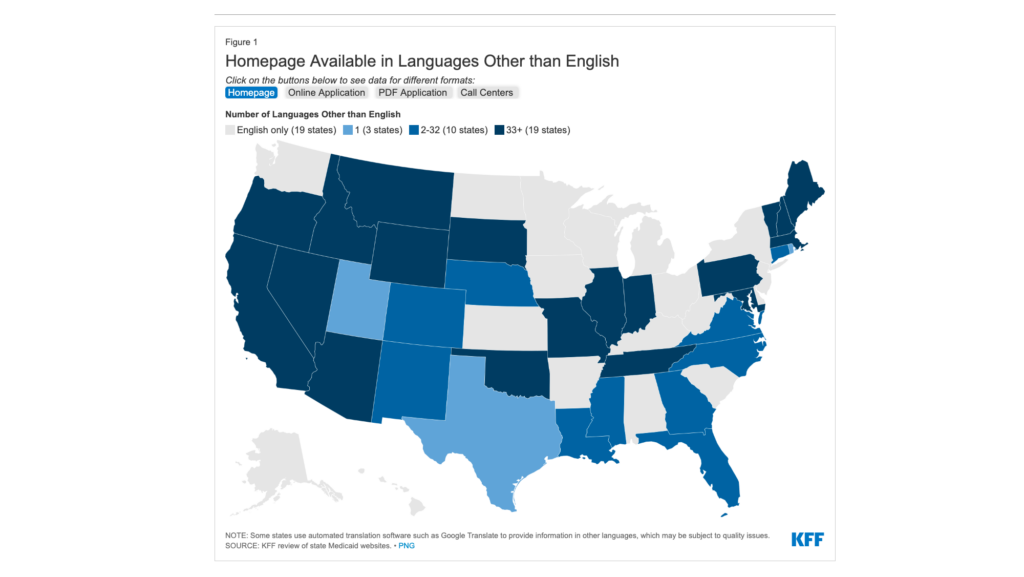
While most states provide basic digital accessibility, this review warns that persistent gaps in language services and disability accommodations create significant barriers for enrollees as pandemic-era Medicaid protections expire.
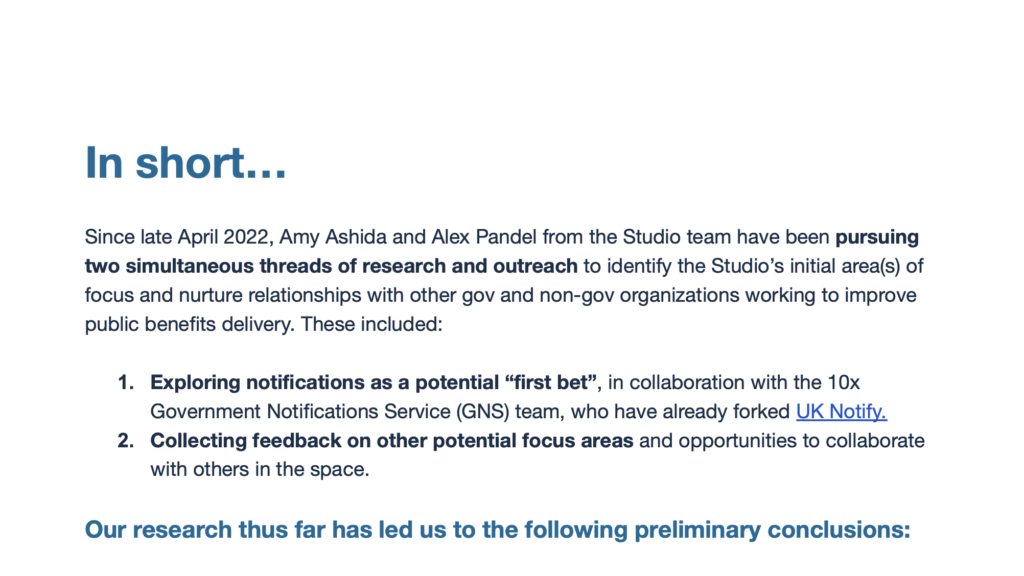
A research snapshot summarizing early findings from outreach and discovery work to identify high-impact opportunities for improving public benefits delivery, with an initial focus on notifications.
This report provides human-centered design templates and implementation guidance to help states integrate Medicaid work requirement questions into benefits applications while minimizing administrative burden and coverage loss.
A strategic roadmap outlining the vision, goals, and measurable success criteria for building a unified, resident-centered digital portal for Washington State services.
This report examines Georgia’s Medicaid demonstration testing work requirements—the only such active program in the nation—and provides detailed findings on administrative costs, implementation challenges, and federal oversight weaknesses.
This report outlines strategies states can adopt to improve access to SNAP, Medicaid, and WIC programs by leveraging policy options, data coordination, and streamlined service delivery.
In December 2024, the Digital Benefits Network released an updated open dataset on authentication and identity proofing requirements across various public benefits applications to highlight best practices and areas for improvement in identity management.