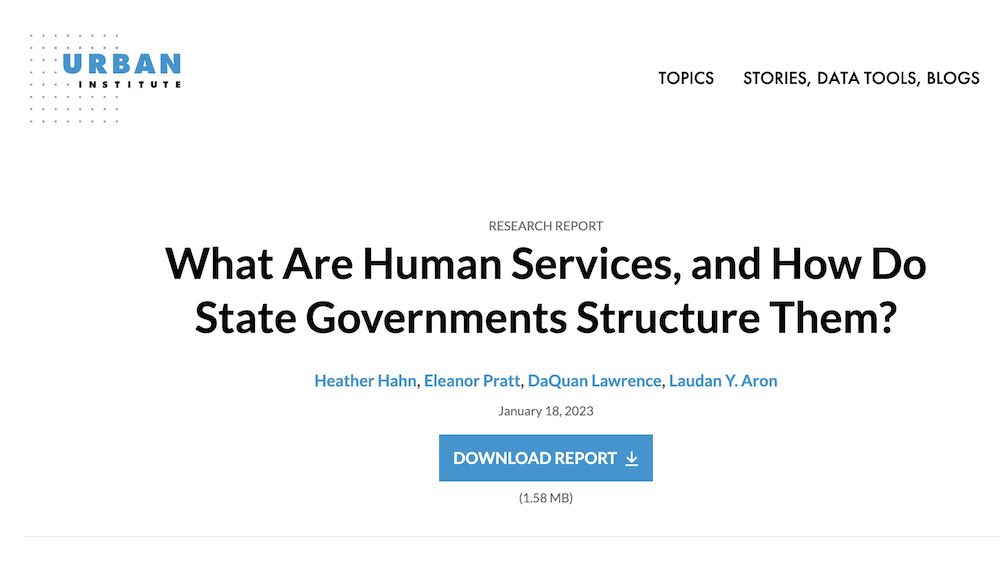
This report examines how state governments organize and manage human services programs, analyzing various agency structures and their impact on service delivery and coordination with the health care sector.
This booklet is designed to help procurement officers and other stakeholders ensure continuity of service, enable seamless future technology upgrades, and plan for contingencies. You can use it to evaluate a prospective vendor contract or bid, or to document how a project went.
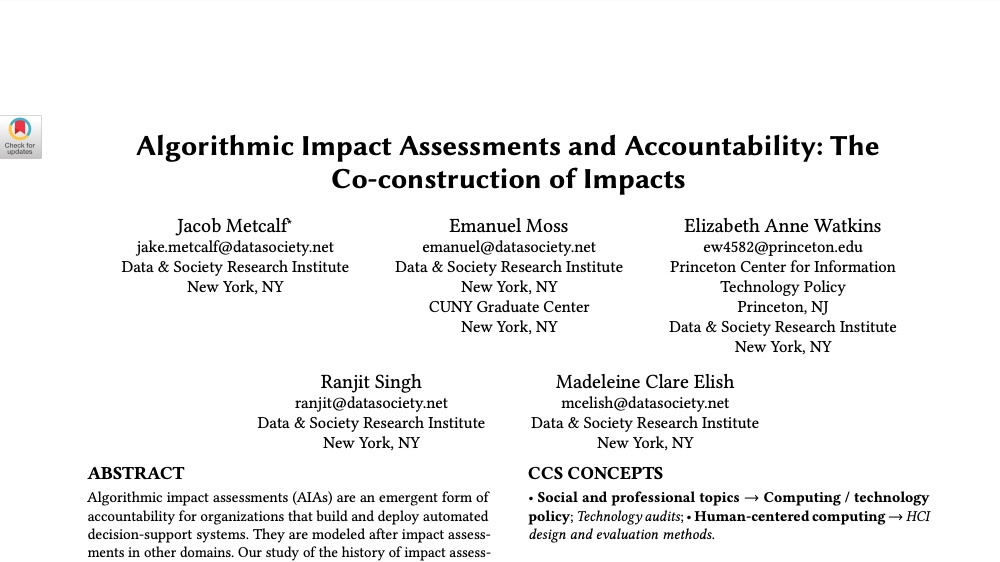
Algorithmic impact assessments (AIAs) are an emergent form of accountability for organizations that build and deploy automated decision-support systems. This academic paper explores how to co-construct impacts that closely reflects harms, and emphasizes the need for input of various types of expertise and affected communities.
ACM Conference on Fairness, Accountability, and Transparency (ACM FAccT)
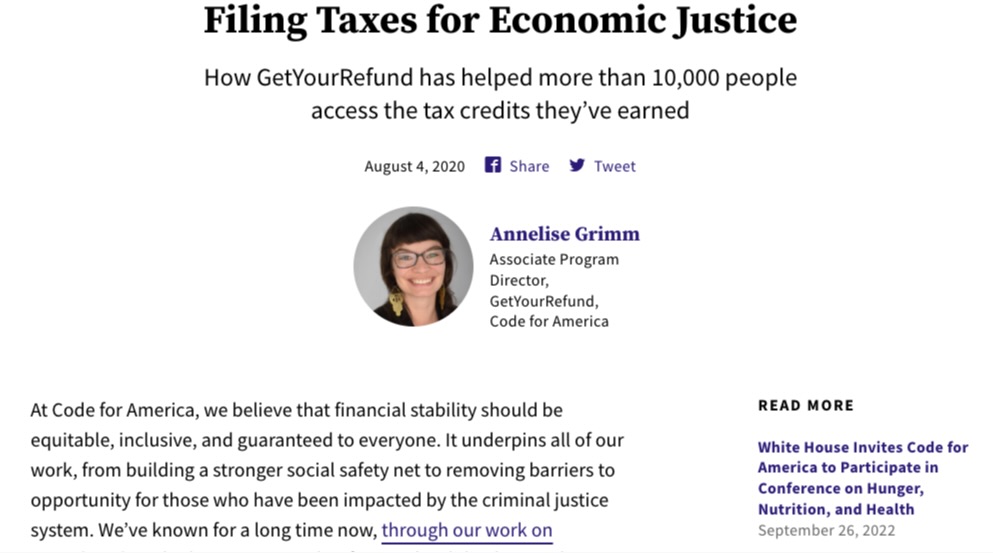
This Code for America article discusses how tax filing can be a powerful tool for economic justice, highlighting efforts to make the tax system more accessible and equitable for low-income individuals.
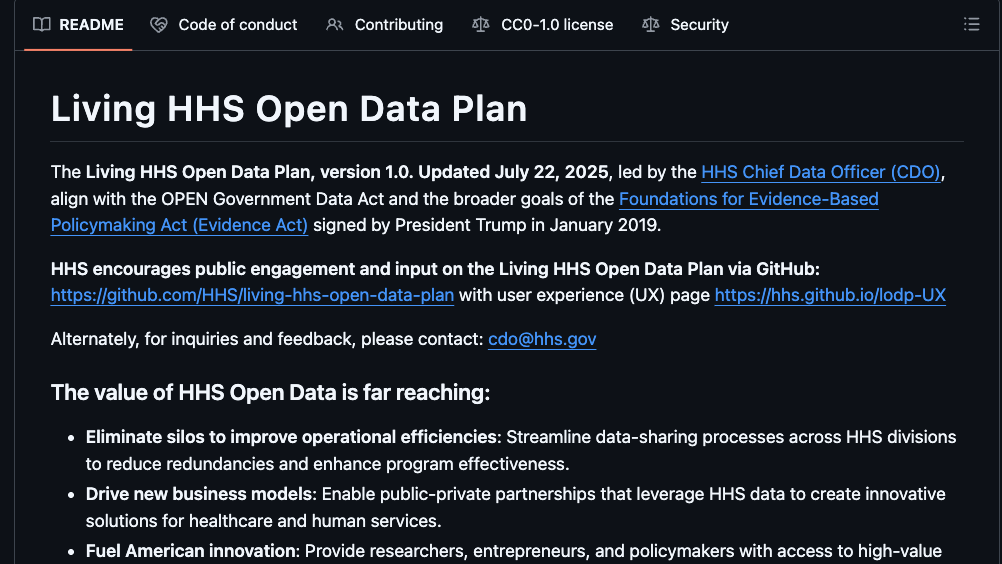
This is a modular, dynamic roadmap guides the U.S. HHS's ongoing implementation of open data policies while inviting public collaboration and feedback.
U.S. Department of Health and Human Services (HHS)
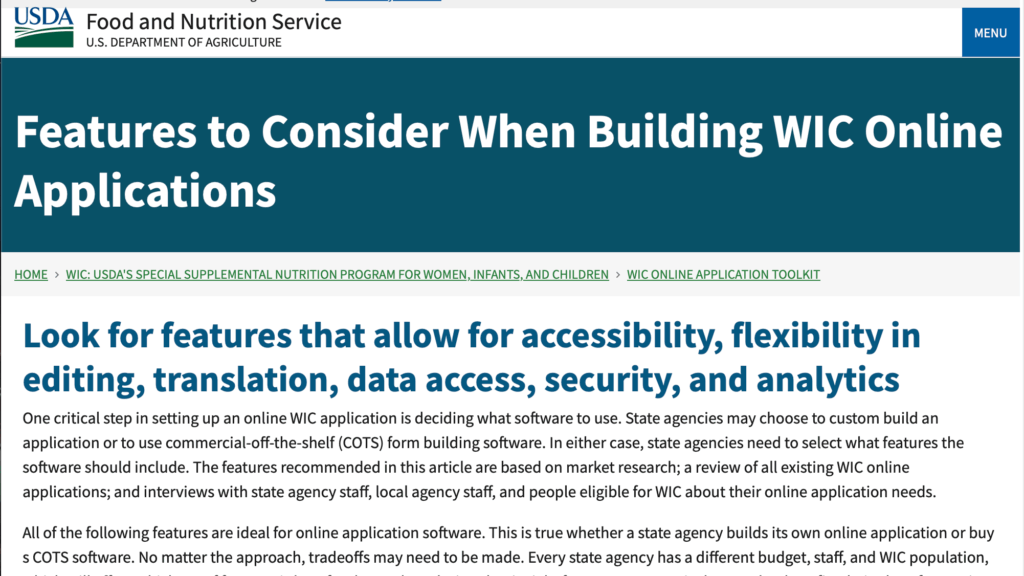
Key functionalities and design elements recommended for creating effective online WIC applications, focusing on usability, accessibility, and compliance to improve participant experience and streamline agency operations.
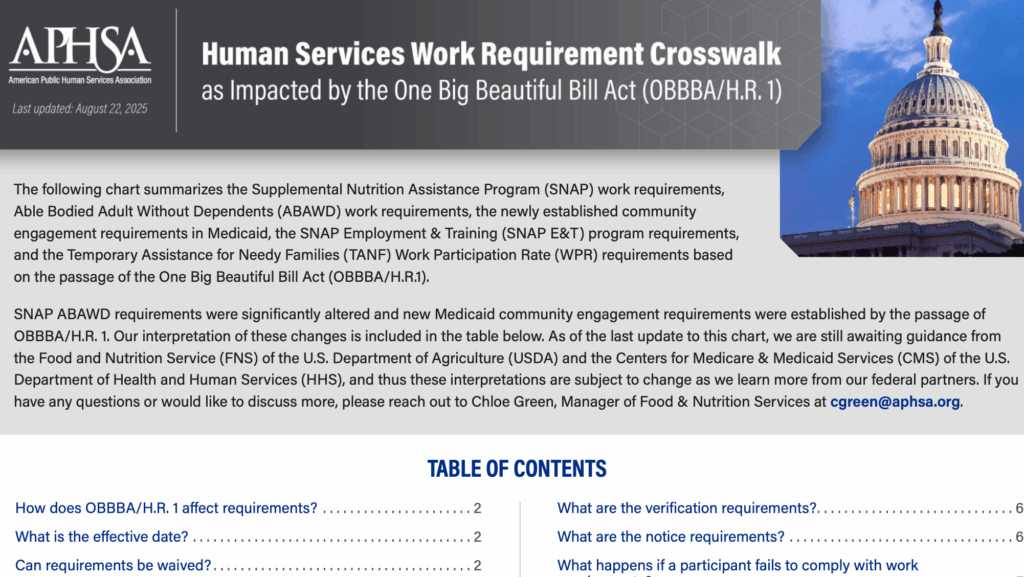
This crosswalk compares provisions in H.R. 1 with existing human services policies, focusing on how proposed federal work requirements could affect programs like TANF, SNAP, and Medicaid.
American Public Human Services Association (APHSA)
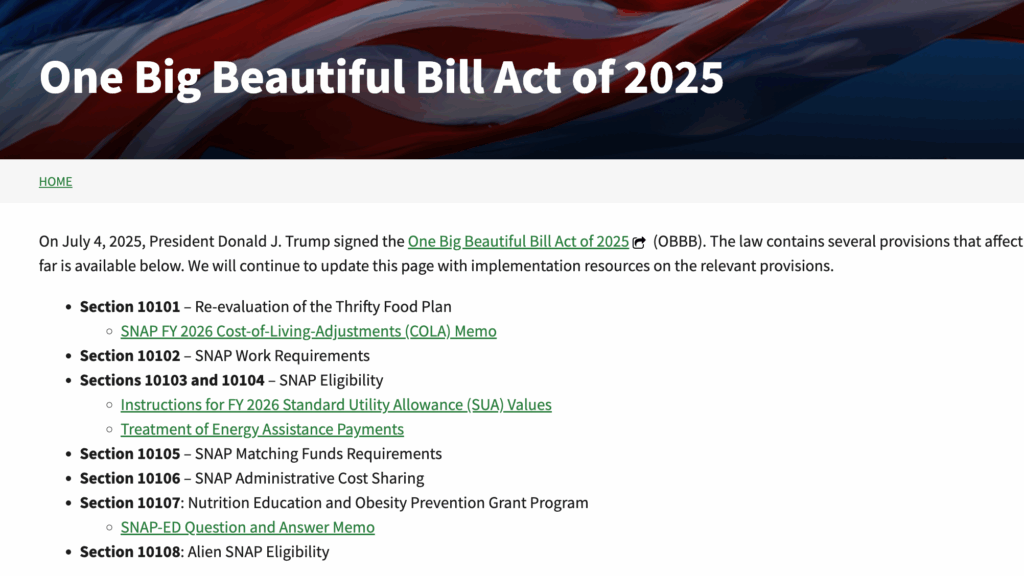
This webpage provides state agency resources and policy memos detailing how the One Big Beautiful Bill Act (H.R. 1) of 2025 affects SNAP implementation.
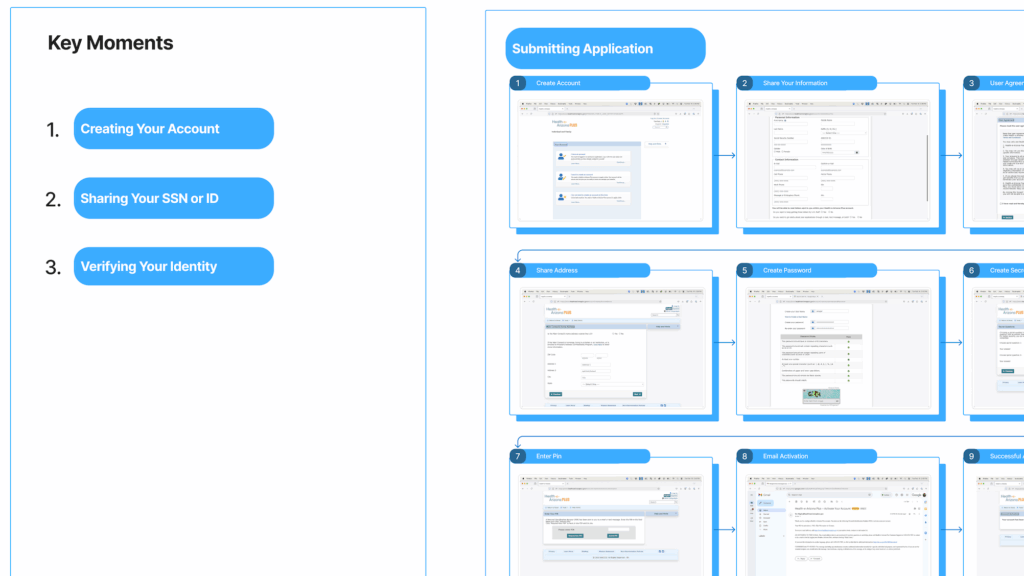
Created for use in the Digital Doorways research project, this design stimuli shows the steps of submitting an application, sharing personal information, and verifying identity for Arizona's integrated online application that includes SNAP and Medicaid.
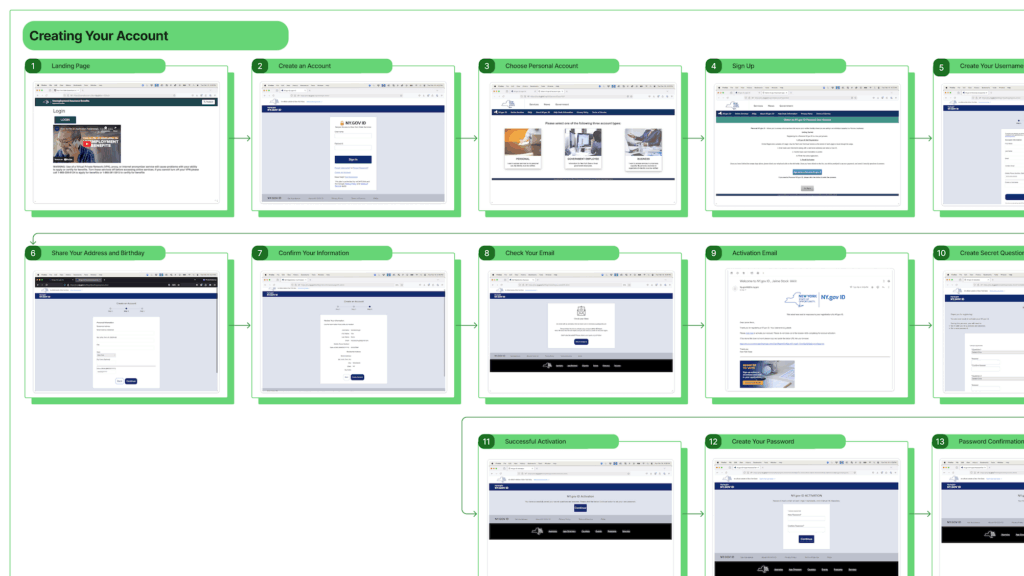
Created for use in the Digital Doorways research project, this design stimuli shows the steps of submitting an application, sharing personal information, and verifying identity for New York's online application for Unemployment Insurance.
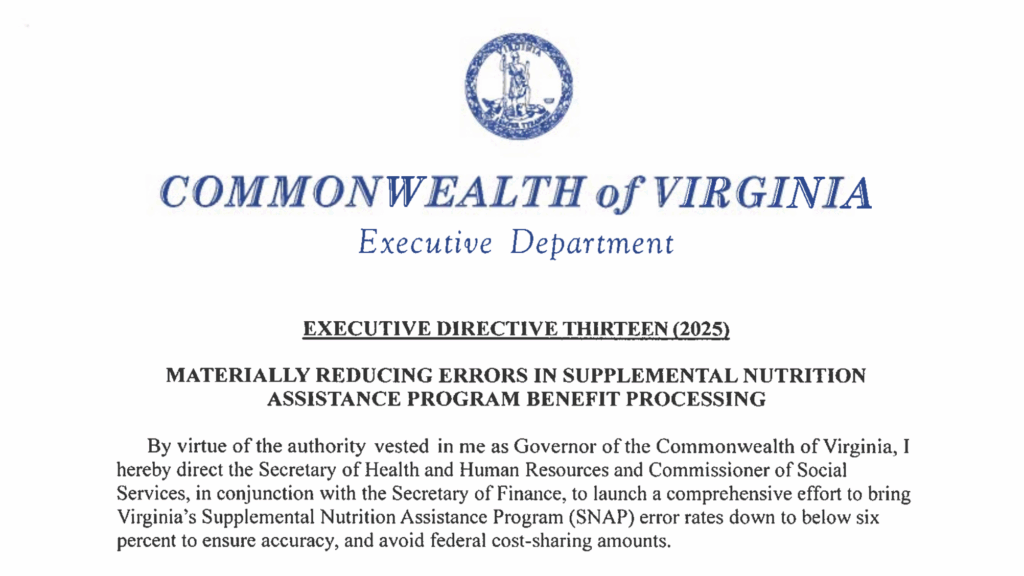
A directive issued by the Commonwealth of Virginia to materially reduce the error rate in Supplemental Nutrition Assistance Program (SNAP) benefit processing among local social services offices.