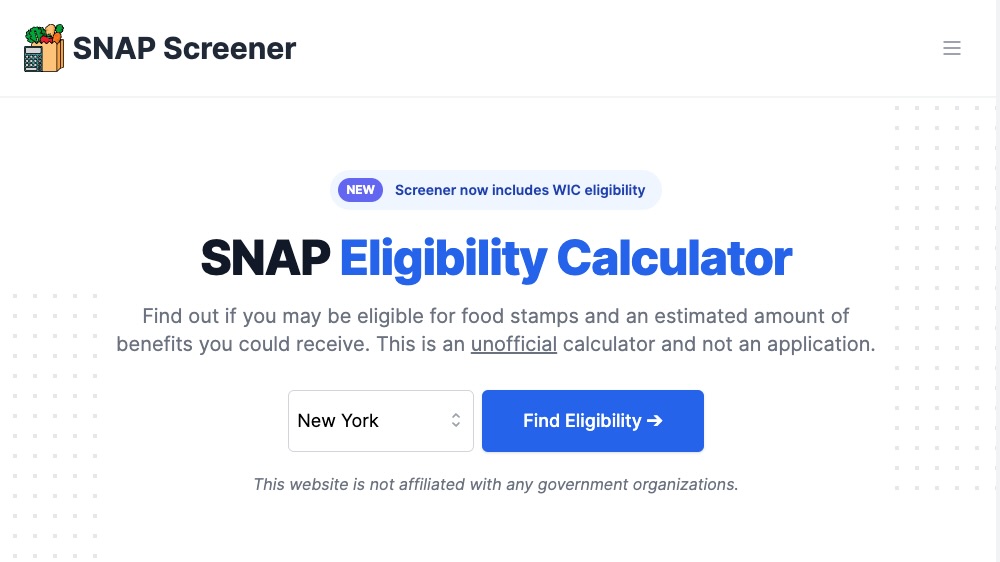
This policy memorandum from the Food and Nutrition Service (FNS) provides guidance on data sharing activities that support targeted outreach and streamlined certification processes aimed at increasing the Special Supplemental Nutrition Program for Women, Infants, and Children (WIC) participation and retention.
In recent years, there has been a deliberate shift to move our public systems that support child and family well-being upstream. These efforts reflect the growing consensus that true and lasting progress toward a nation where everyone can thrive requires we get to the root of the barriers that keep people and communities from achieving their potential. A foundational building block of this effort is the work happening to advance prevention strategies within child welfare agencies. In this brief, we focus on the challenges and opportunities that the Family First Prevention Services Act (Family First) offers to accelerate the shift toward a prevention-oriented child well-being system.
American Public Human Services Association (APHSA)
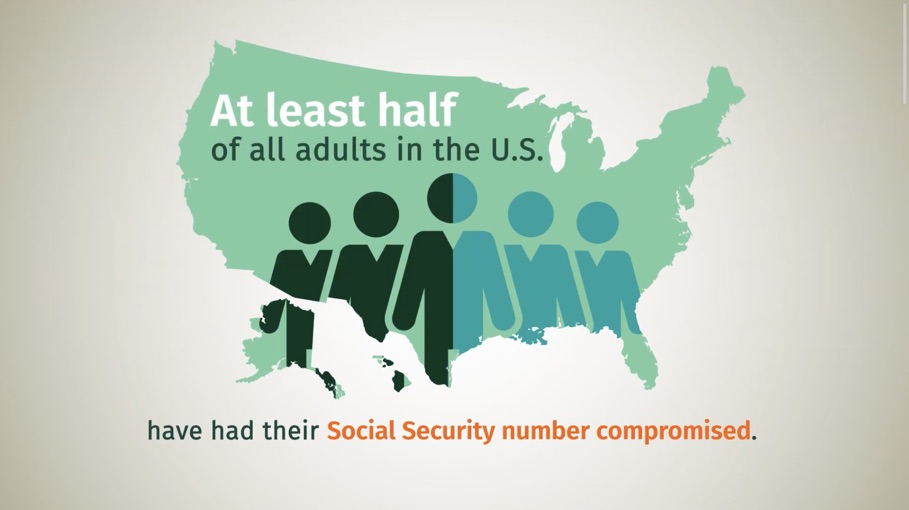
This short explainer video introduces digital identity and argues for modernizing identity systems in the United States, in partnership with government.
This report from the Joint Financial Management Improvement Program outlines efforts to use identity verification to reduce improper payments in government programs, while mitigating bias and disparate impacts.
The Joint Financial Management Improvement Program (JFMIP)
This guide provides practical insights for benefits administrators on redesigning benefits systems using human-centered design to ensure all eligible residents can access crucial social safety net resources.
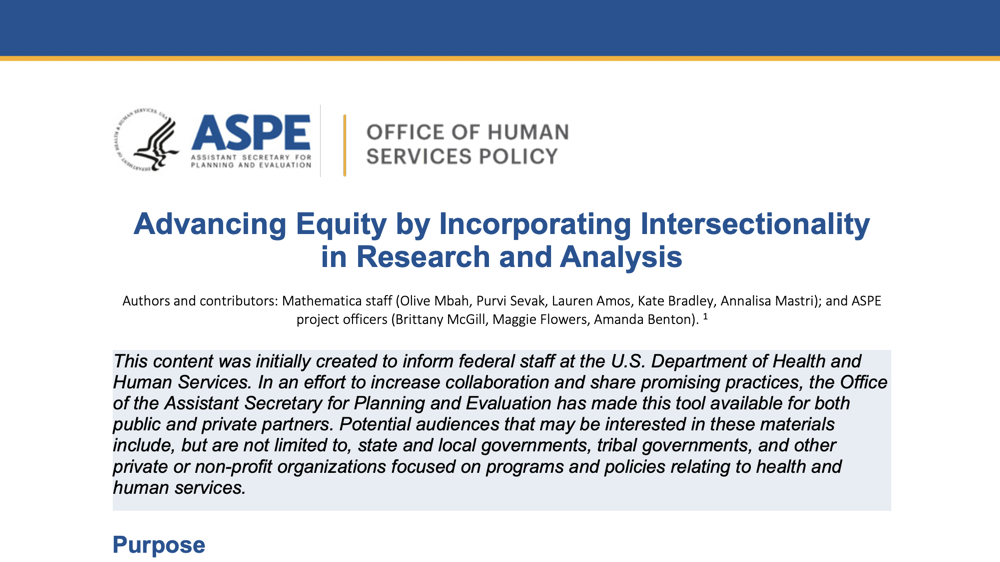
This guide explores intersectionality and why it is essential for advancing equity. It explores strategies for planning and conducting research with an intersectional lens, describes quantitative measures and methods to examine differences across groups of people with intersecting identities, and provides key considerations for using qualitative data to better understand intersectionality.
Office of the Assistant Secretary for Planning and Evaluation (ASPE)
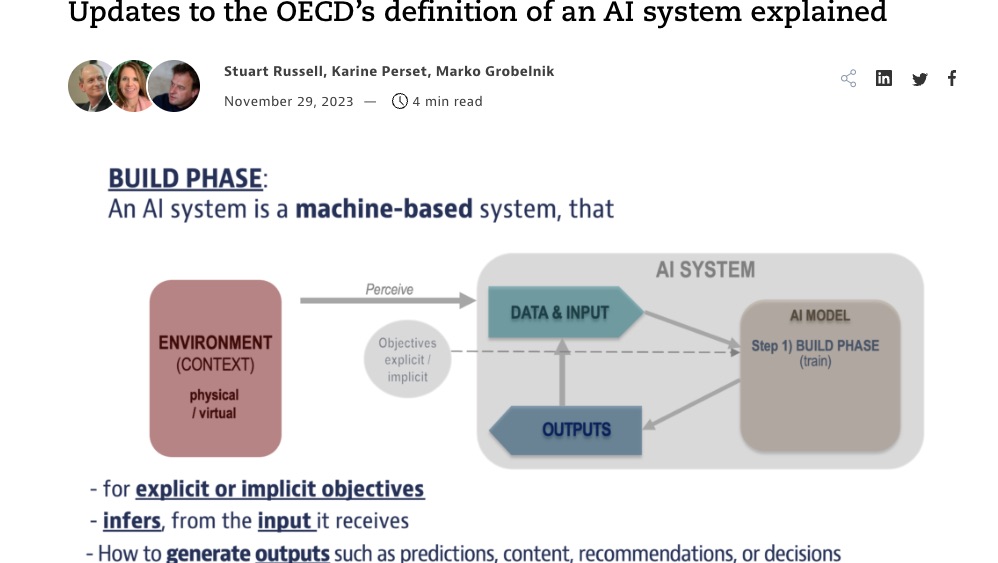
In 2023, OECD member countries approved a revised version of the Organisation’s definition of an AI system. This post explains the reasoning behind the updated definition.
Organisation for Economic Co-operation and Development (OECD)
A modern system that helps people learn about, apply for, and gain access to affordable housing. Bloom Housing is an open source platform that digitizes the process of finding and applying for affordable housing, turning a time-consuming paper process into a 15 minute activity from one's smartphone or computer.