California’s SNAP program faced record application volume due to the COVID-19 crisis, and other states must anticipate similar demand. This post summarizes key takeaways from GetCalFresh’s real-time data and client communications, and offers recommendations for how other states can implement effective responses.
The report examines pilot projects in multiple states that utilized data matching and targeted outreach to enroll eligible families with young children in the WIC program, demonstrating the effectiveness of this approach in increasing participation rates.
The report highlights a project to improve the Philadelphia Office of Homeless Services' (OHS) prevention and intake processes by implementing trauma-informed practices. In collaboration with staff, participants, and trauma experts, the project aimed to reduce distress for those accessing services while equipping staff with tools and training to better manage trauma-related interactions, creating a more supportive and empathetic service environment.
18F, a consultancy within the U.S. General Services Administration, developed a prototype API and pre-screener to model federal SNAP eligibility rules, aiming to simplify benefits access through open-source technology.
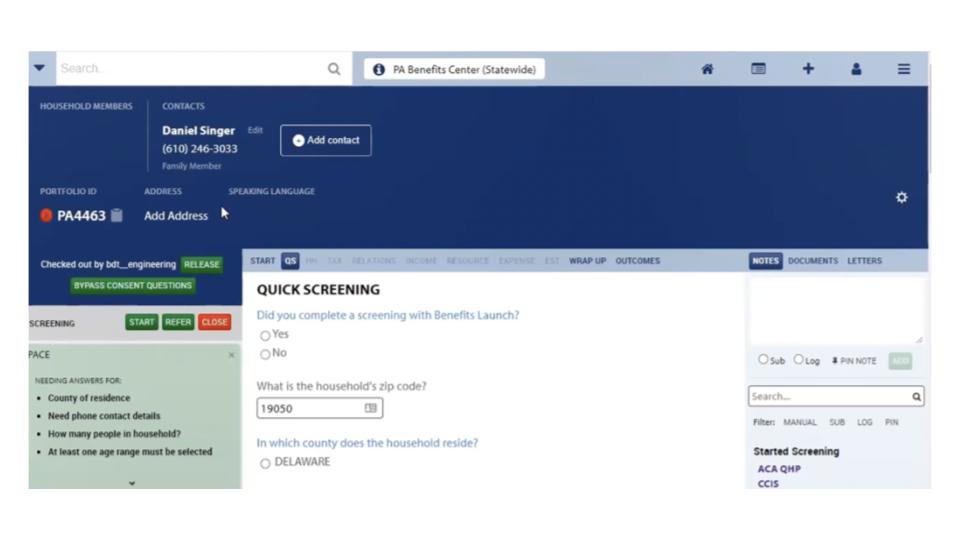
Benefits Data Trust (BDT) is a nonprofit that connects people to public benefits through a streamlined, phone-based application system called Benefits Launch, which reduces redundant questions and speeds up the process for multiple programs. BDT's approach, supported by a custom-built rules engine, has facilitated over 800,000 benefit enrollments, helping secure over $9 billion for eligible households across seven states.
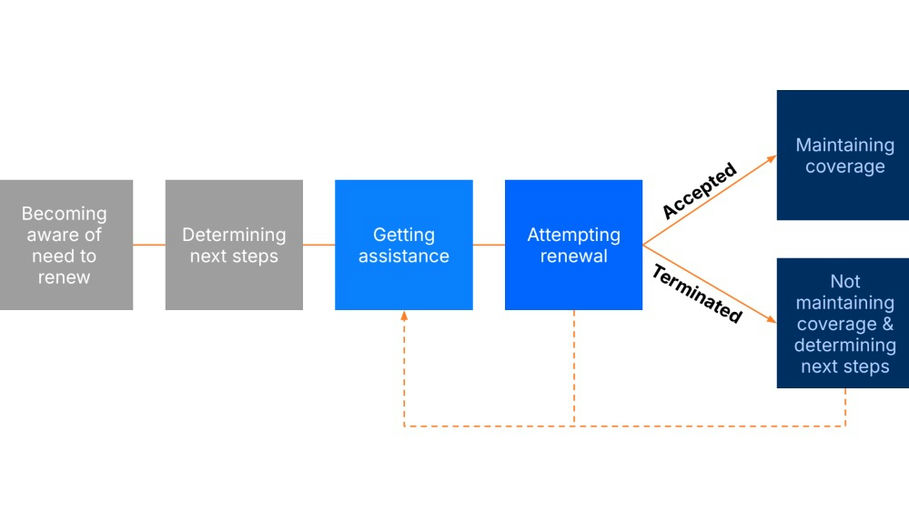
Based on user interviews with families across the United States who navigated the Medicaid renewal process, this report offers insights and recommendations for improving the experience of renewing Medicaid and other benefits.
This Urban Institute report examines how public investments in children's health, education, and welfare yield significant short- and long-term benefits for both individuals and society.
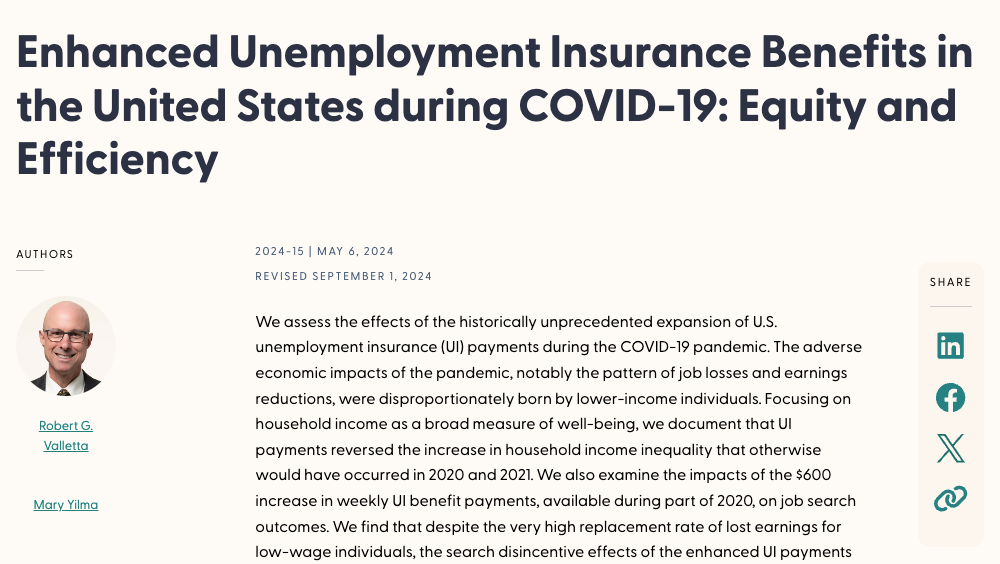
This paper concludes that the substantial COVID-19 unemployment insurance expansion had limited disincentive effects on job searches, particularly among lower-income individuals, despite high wage replacement rates.
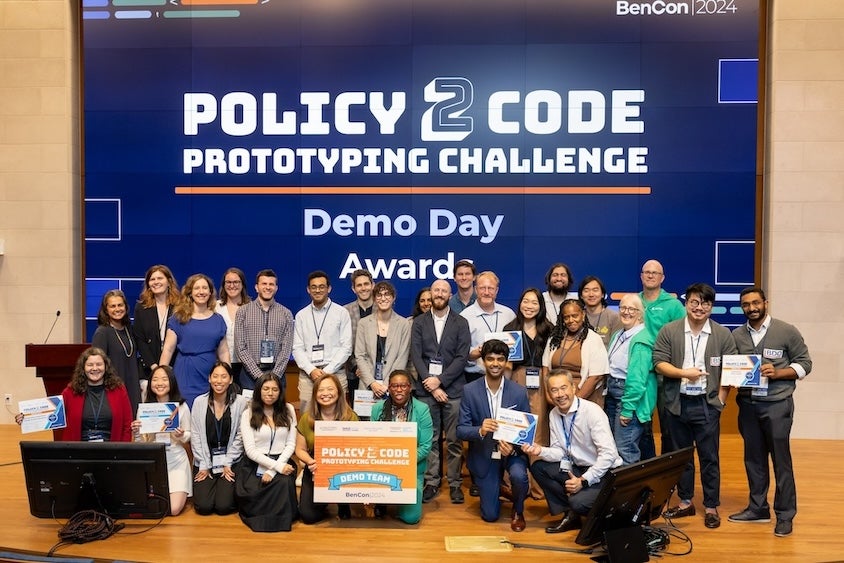
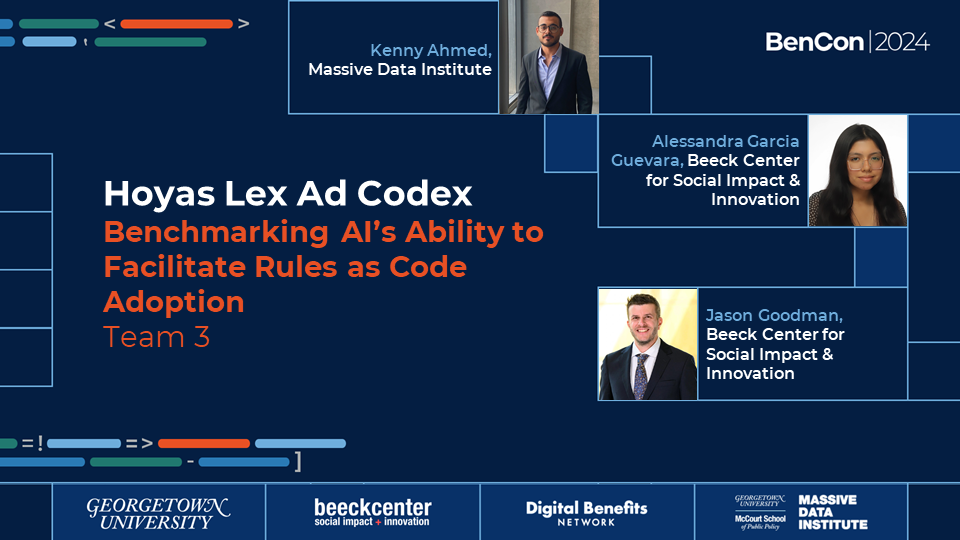
The team explored the performance of various AI chatbots and LLMs in supporting the adoption of Rules as Code for SNAP and Medicaid policies using policy data from Georgia and Oklahoma.