This brief highlights key takeaways from APHSA’s work on young families, starting with an overview of the young families work and its early years, followed by key takeaways and highlights from its final year, ending with opportunities for future work in the young families space.
American Public Human Services Association (APHSA)
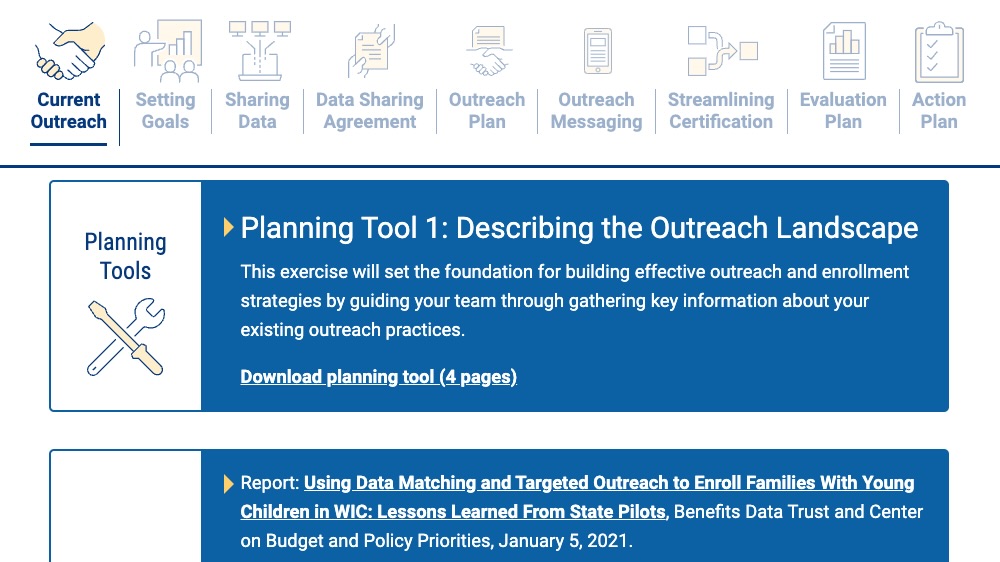
The toolkit provides strategies for state and local WIC agencies to enhance enrollment by utilizing data from Medicaid and SNAP for cross-program data matching and targeted outreach.
The CUTGroup book explains how civic user testing (paying residents to test civic apps) can allow for more community engagement in civic tech. This book covers how to do UX testing, community engagement, and digital skills in one civic tech system.
This toolkit provides links to a multitude of resources to help health and human services leaders evaluate and intentionally design programs to meet the unique needs of young families.
American Public Human Services Association (APHSA)
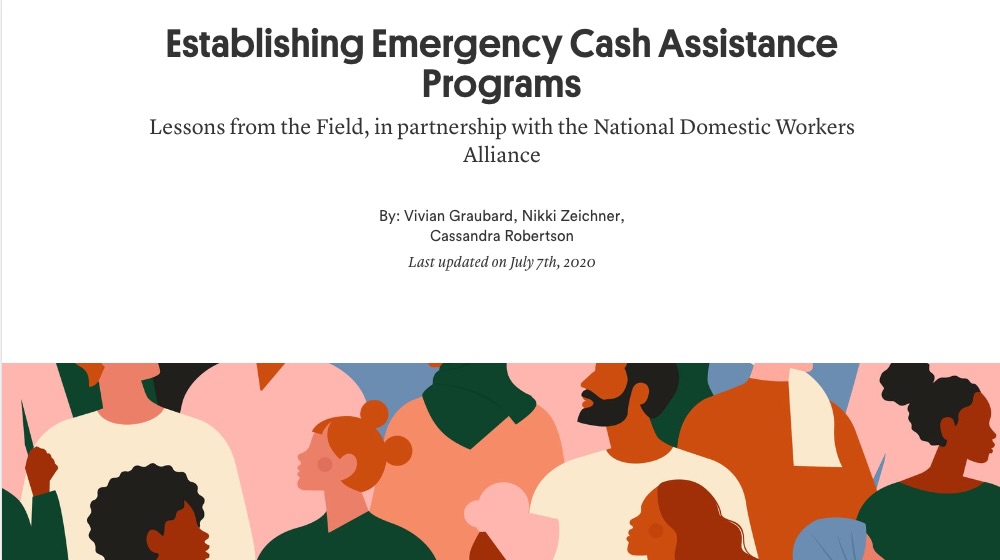
A guide by New America to help cities and states set up cash assistance programs for their residents, based on the Alia Cares platform that the National Domestic Workers Alliance built to run their Coronavirus Cares Fund that provides emergency assistance for home care workers to support them in staying safe and at home to slow the spread of COVID.
This toolkit is designed to support government agencies in evaluating the effectiveness of their public participation and community engagement (PPCE) activities.
This resource provides state agencies and their implementation partners with context on how and why to conduct a Digital Identity Risk Management (DIRM) process, as well as a new spreadsheet-based tool to guide agency teams through the process.
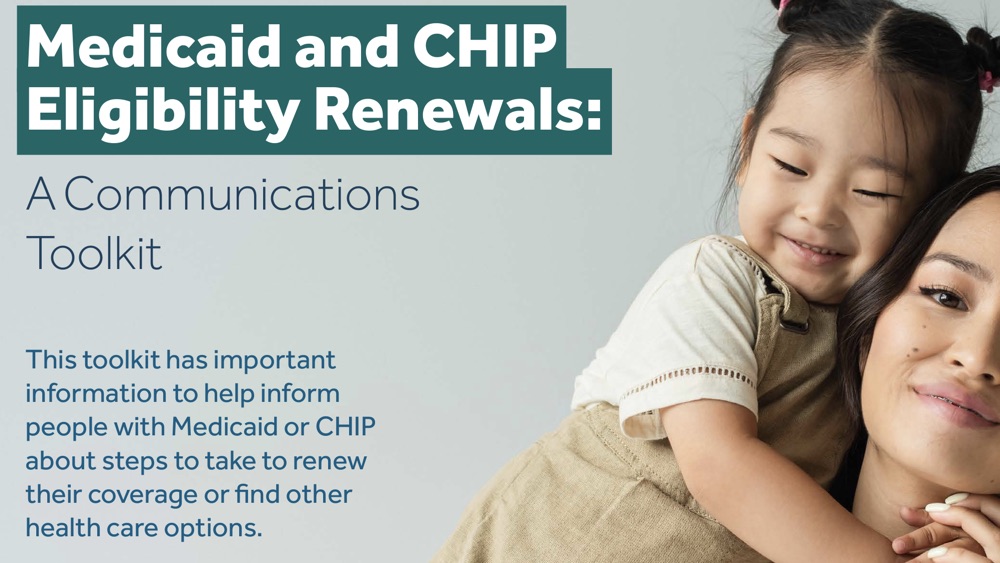
This resource is a communications toolkit designed to help states and stakeholders inform Medicaid and CHIP recipients about the eligibility renewal process, ensuring they take necessary steps to maintain or transition to alternative health coverage.
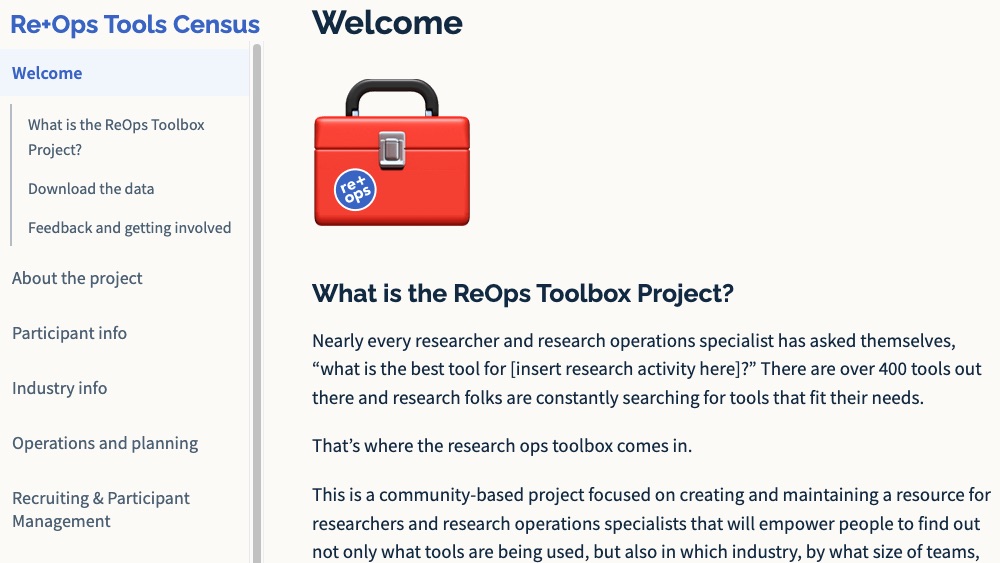
This is a community-based project focused on creating and maintaining a resource for researchers and research operations specialists that will empower people to find out not only what tools are being used, but also in which industry, by what size of teams, and where in the world.
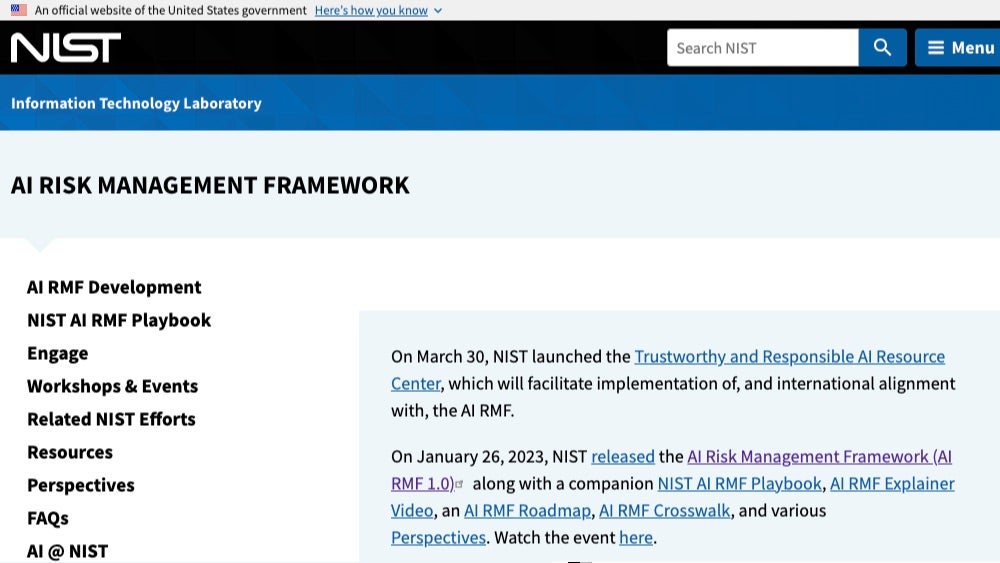
NIST has created a voluntary AI risk management framework, in partnership with public and private sectors, to promote trustworthy AI development and usage.
National Institute of Standards and Technology (NIST)
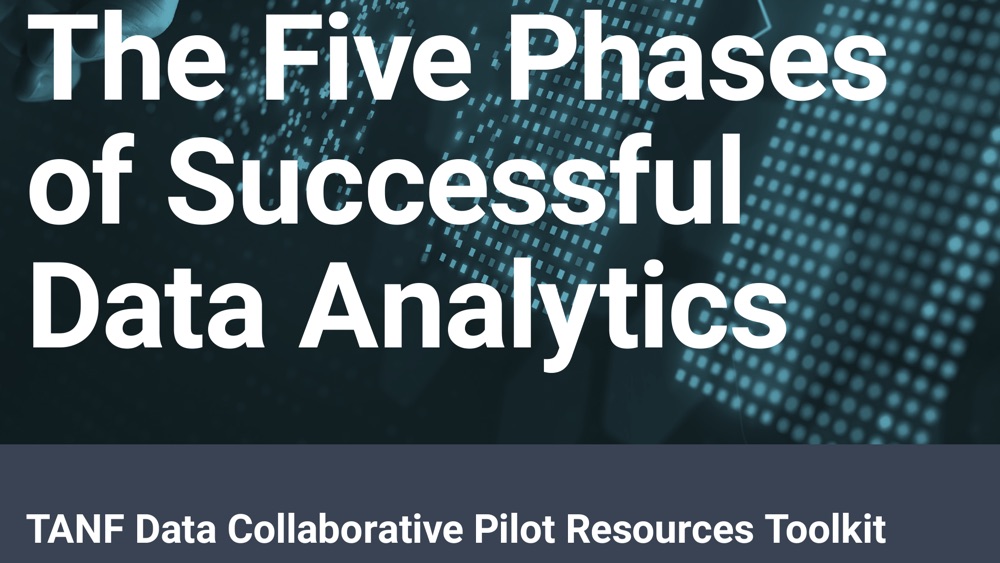
This toolkit provides individuals and organizations with guidance, drawn from learning and experience, on how to use administrative and other data to inform program improvements. It collects concrete strategies and practitioner-tested tools designed to advance these efforts. These materials were developed in pilot projects with local Temporary Assistance for Needy Families (TANF) agencies as part of the TANF Data Collaborative (TDC).