A comprehensive guide to help government agencies establish, implement, and oversee responsible artificial intelligence (AI) governance policies and review processes.
This resource helps individuals with aligning their work with the needs of the communities they wish to serve, while reducing the likelihood of harms and risks those communities may face due to the development and deployment of AI technologies.
This guide helps UK public bodies understand how to responsibly procure, develop, and use AI while meeting their legal duties to prevent discrimination and promote equality under the Public Sector Equality Duty (PSED).
There is a key disconnect between policymakers’ intent and implementation of policies. A user-centric, iterative, and data-driven approach can result result in digital technology that provides much needed data and insights at a substantially lower cost.
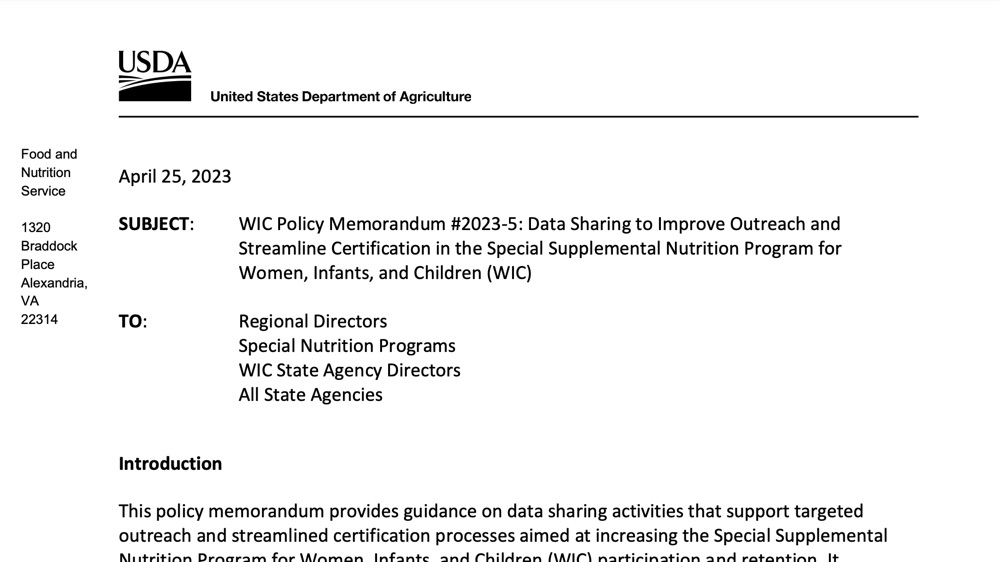
This policy memorandum from the Food and Nutrition Service (FNS) provides guidance on data sharing activities that support targeted outreach and streamlined certification processes aimed at increasing the Special Supplemental Nutrition Program for Women, Infants, and Children (WIC) participation and retention.
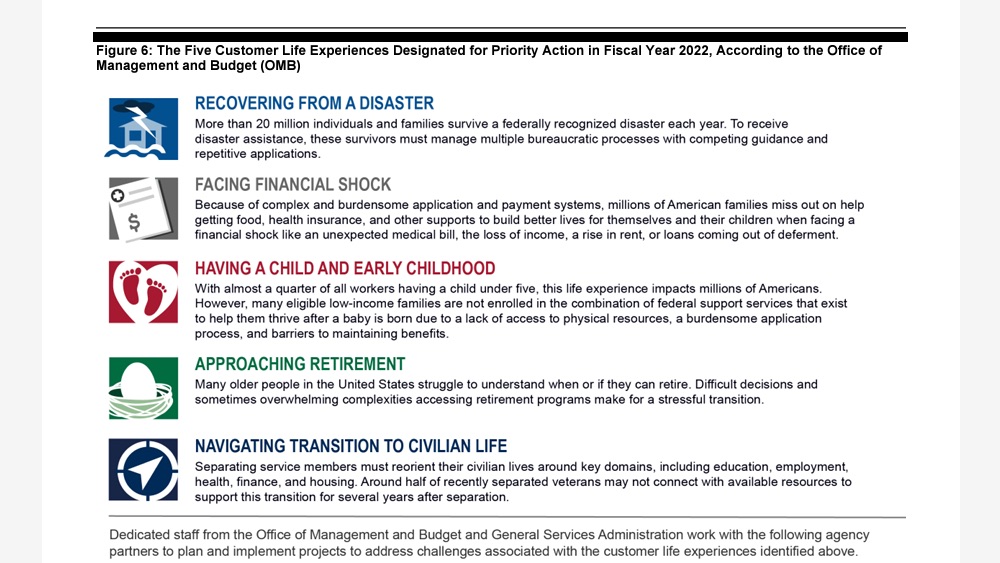
The 2021 President’s Management Agenda identified federal customer experience as a priority area for improvement. GAO was asked to review OMB and selected federal agencies’ efforts to improve federal customer experience.
The document outlines revisions to OMB's SPD No. 15, which updates the standards for collecting and presenting federal race and ethnicity data, including the integration of race and ethnicity questions, the addition of a MENA category, and requirements for more detailed data collection.
Best practices for procuring and developing accessible tools that utilize artificial intelligence (AI) and how to ensure that they are in compliance with the Web Content Accessibility Guidelines (WCAG) 2.1 Level A and Level AA.
The Commonwealth of Massachusetts Executive Office of Technology Services and Security (EOTSS)