APHSA established a working group to identify strengths, barriers, and opportunities for better system alignment in human services for young parents and children, leading to the development of a roadmap to support meaningful systems-level changes.
American Public Human Services Association (APHSA)
This report explores the role that academic and corporate Research Ethics Committees play in evaluating AI and data science research for ethical issues, and also investigates the kinds of common challenges these bodies face.
This report explores strategies for developing a new generation of technologists dedicated to public interest work, emphasizing the need for a stronger talent pipeline to support government and nonprofit technology initiatives.
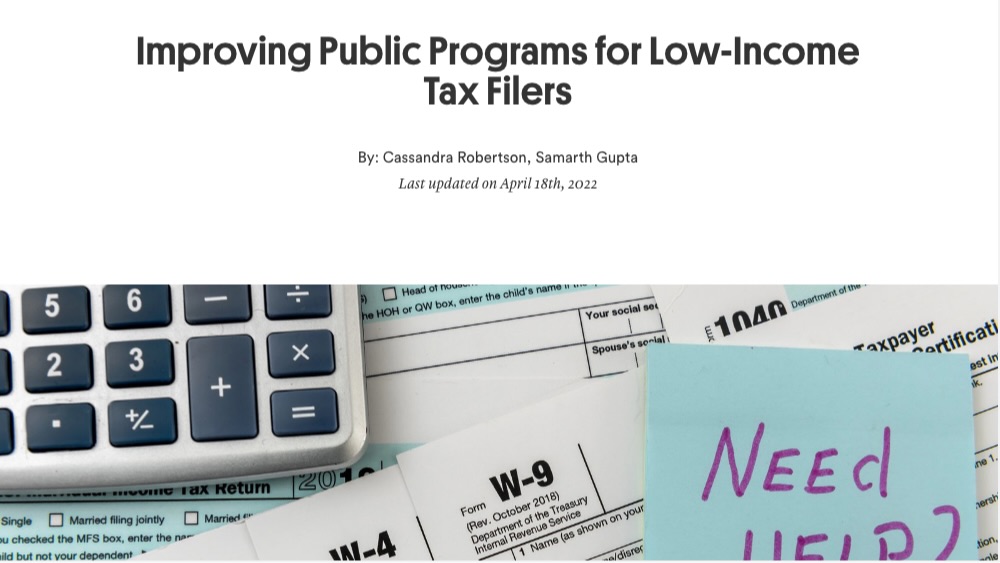
A New America report examines the Volunteer Income Tax Assistance (VITA) program, highlighting its role in aiding low-income tax filers and offering recommendations to enhance public benefit access through improved tax filing assistance.
The report examines how current remote identity proofing methods can create barriers to Medicaid enrollment and suggests improvements to ensure equitable access for all applicants.
This report examines the extent to which proposed options included in the Student Food Security Act, Let Students Eat proposal, and the EATS Act impact specific demographics of students, either by increasing access or by streamlining the process for qualifying students to demonstrate eligibility.
In December 2024, the Digital Benefits Network released an updated open dataset on authentication and identity proofing requirements across various public benefits applications to highlight best practices and areas for improvement in identity management.
This report explores innovative solutions and insights from CMS Innovation Center's Hackathon series to address the unique healthcare challenges faced by rural, Tribal, and geographically isolated communities.
This section of the Department of Labor’s Building Resilience plan focuses on improving customer experience across unemployment insurance (UI) systems by promoting timely, accessible, and equitable service delivery for all claimants.
This brief outlines the U.S. federal government’s framework to identify, reduce, and address administrative burdens through a series of executive orders, legislative actions, and updated policies focused on improving customer experience and increasing access to government benefits.