This technical brief uses predictive analytics to identify the primary drivers of SNAP payment error rates (PER) following the implementation of the One Big Beautiful Bill (OBBB).
Report by the Aspen Institute discussing Benefits21, a multi-stakeholder, multi-faceted initiative to integrate and modernize benefits systems. This paper provides an overview of Benefits21, along with a discussion of the shortcomings of current public and private benefit systems.
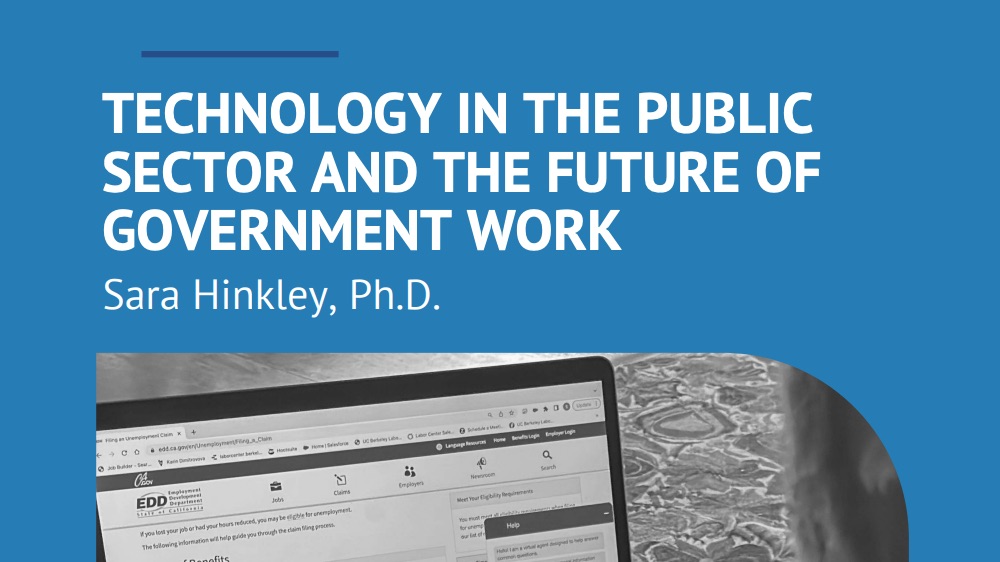
This report explores technologies that have the potential to significantly affect employment and job quality in the public sector, the factors that drive choices about which technologies are adopted and how they are implemented, how technology will change the experience of public sector work, and what kinds of interventions can protect against potential downsides of technology use in the public sector. The report categories technologies into five overlapping categories including manual task automation, process automation, automated decision-making systems, integrated data systems, and electronic monitoring.
This Urban Institute article argues that poverty is driven by structural barriers rather than individual choices and advocates for safety net programs that address systemic inequities.
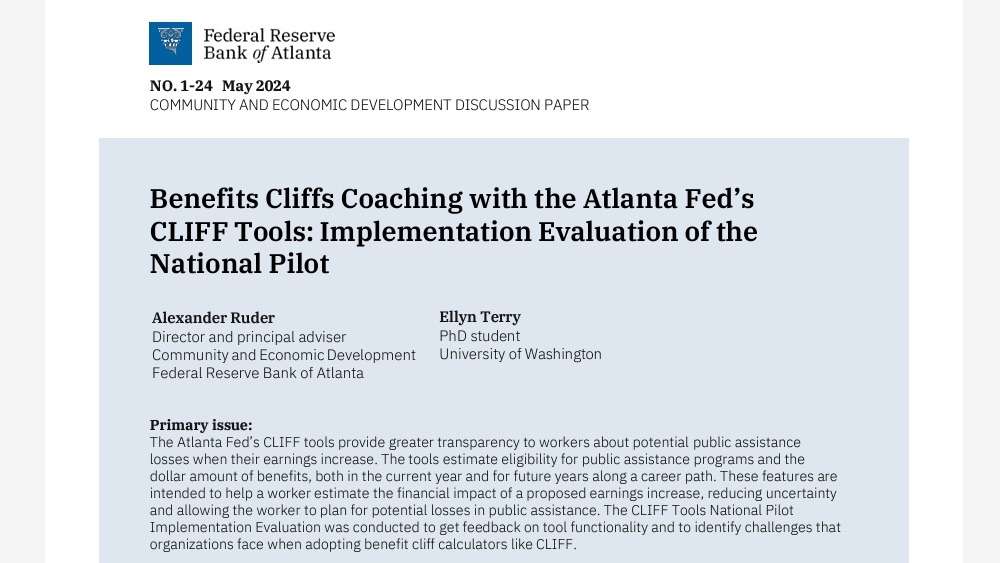
The Atlanta Fed’s CLIFF tools provide greater transparency to workers about potential public assistance losses when their earnings increase. We find three broad themes in organization-level implementation of the CLIFF tools: identifying the tar- get population of users; integrating the tool into existing operations; and integrating the tool into coaching sessions.
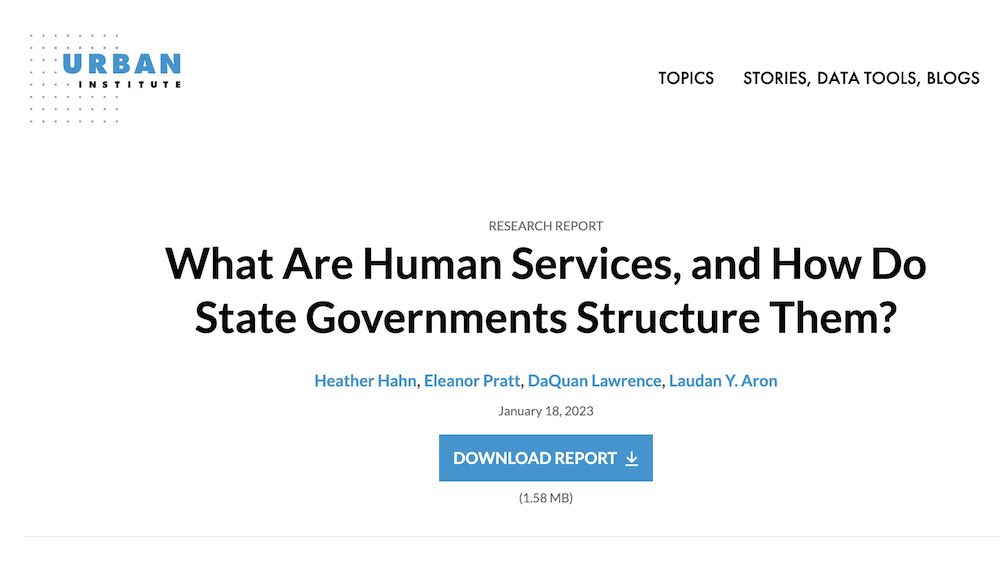
This report examines how state governments organize and manage human services programs, analyzing various agency structures and their impact on service delivery and coordination with the health care sector.
This report puts forth an anti-racist reimagining of Medicaid and CHIP that actively reckons with the racist history of the Medicaid program and offers principles and recommendations that capitalize on the transformative potential of the programs. The principles center the voices and agency of program participants and prioritize direct community involvement at all stages of the policy process.
The primer–originally prepared for the Progressive Congressional Caucus’ Tech Algorithm Briefing–explores the trade-offs and debates about algorithms and accountability across several key ethical dimensions, including fairness and bias; opacity and transparency; and lack of standards for auditing.
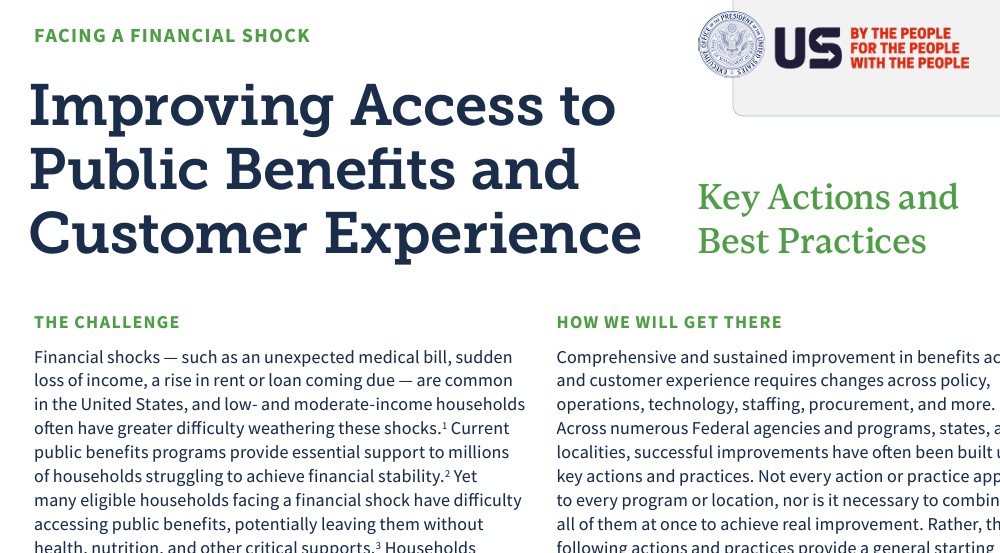
Comprehensive and sustained improvement in benefits access and customer experience requires changes across policy, operations, technology, staffing, procurement, and more. This guide offers a collection of actions and best practices for states to apply.
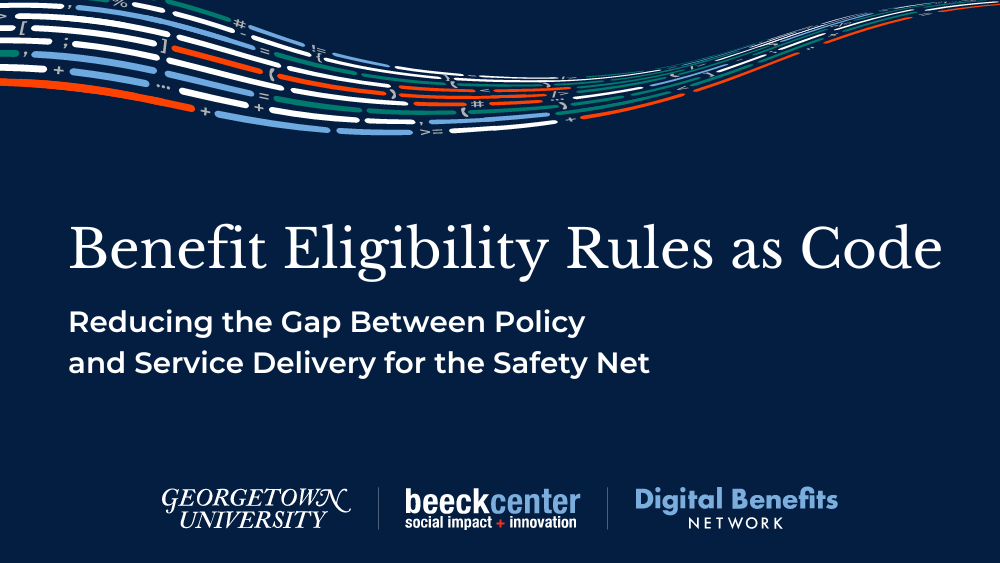
This report examines how the U.S. federal government can enhance the efficiency and equity of benefit delivery by simplifying eligibility rules and using a Rules as Code approach for digital systems.
This report highlights lessons learned from improving economic stability and well-being outcomes for young parent families, focusing on interagency collaboration, community engagement, data-driven improvement, and aligned services to guide future efforts.