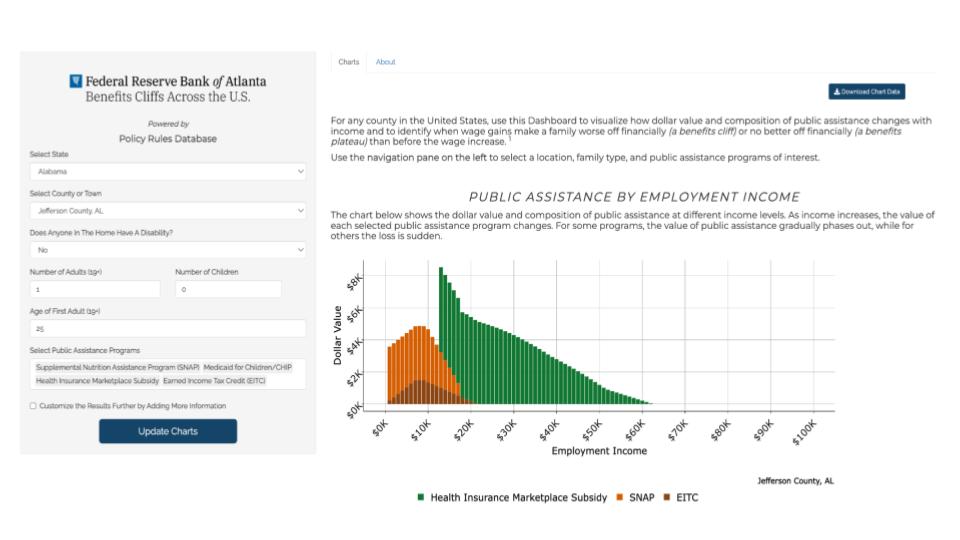
The Policy Rules Database (PRD), developed by the Federal Reserve Bank of Atlanta and the National Center for Children in Poverty, consolidates complex rules for major U.S. federal and state benefit programs and tax policies into a standardized, easy-to-use format. This database allows researchers to model public assistance impacts, simulate policy changes, and analyze benefits cliffs across various household scenarios using common rules and language across different programming platforms.
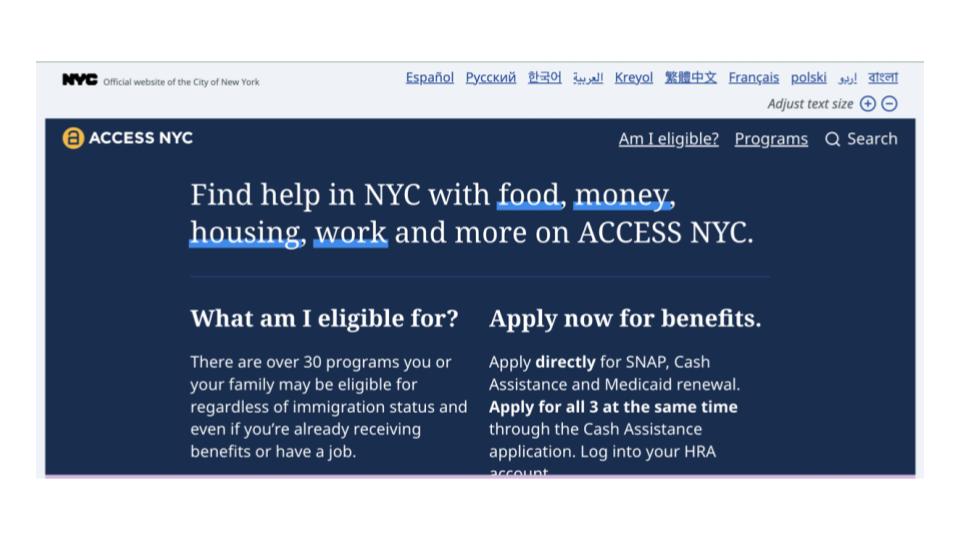
The NYC Mayor’s Office for Economic Opportunity (NYC Opportunity) developed the NYC Benefits Platform, including ACCESS NYC, to help residents easily discover and check eligibility for over 80 social programs.
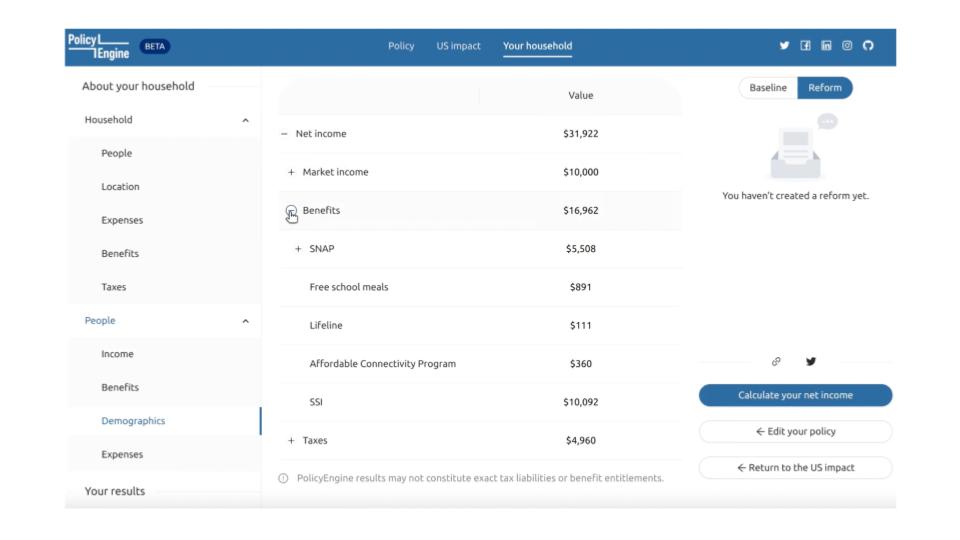
PolicyEngine is a nonprofit that provides a free, open-source web app enabling users in the US and UK to estimate taxes and benefits at the household level, while also simulating the effects of policy changes. By combining tax and benefits data, PolicyEngine helps individuals and policymakers better understand the impacts of existing policies and proposed reforms, using microsimulation models built from legislation and enhanced survey data.
In our research announcement on theories of change (ToC) for digital government, the Digital Service Network shared our belief that all Digital Service (DS) teams should work to develop a ToC.
The Digital Services Network (DSN) spoke with Connecticut’s digital program manager, Max Gigle, and Director of Digital Government and Operational Excellence David Labbadia, to learn more about the team’s human-centered approach to developing Business.CT.gov as the first step on the path toward an “all-digital government.”
The Digital Service Network (DSN) spoke with Ashley O’Brien, user experience designer for the City of Saint Paul, MN, about the flexible and resourceful approach she took to reach people across the city.
The Digital Service Network (DSN) spoke with Boston’s new Chief People Officer, Alex Lawrence, to understand how the City is transforming its approach to people management.
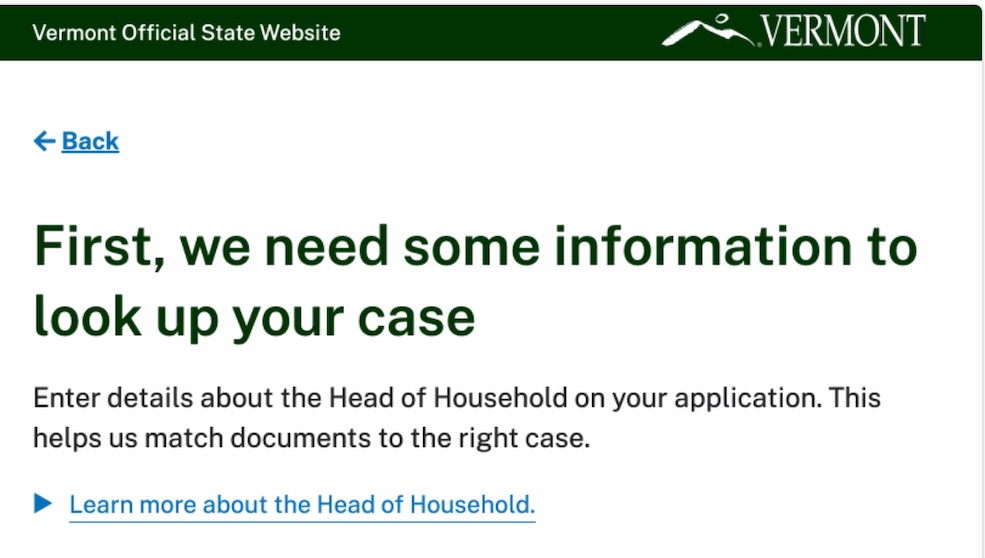
Nava built flexible and reusable software and design components to make it easier for Vermonters to access their benefits. These components support Vermont’s long-term vision of integrating eligibility and enrollment processes for all of the state’s healthcare and financial benefit programs.
This case study highlights a collaborative effort to enhance Nevada’s unemployment insurance (UI) program by simplifying claimant-facing communications and improving user experiences through behavioral science and human-centered design.
National Association of State Workforce Agencies (NASWA)
This research used observational research with unemployment insurance (UI) claimants to identify pain points in the application process and inform customer experience improvements.
This case study highlights how Illinois is modernizing its student data infrastructure and interagency data sharing to increase access to SNAP and Summer EBT benefits for eligible children and families, particularly those facing systemic barriers.
American Public Human Services Association (APHSA)
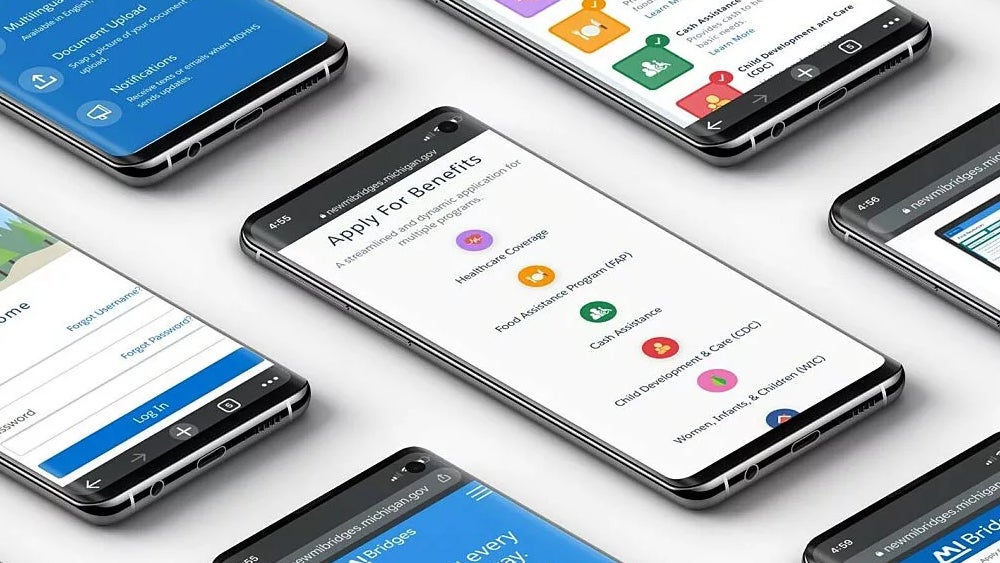
This case study documents how Civilla partnered with the Michigan Department of Health and Human Services (MDHHS) to redesign and modernize online enrollment for the state’s largest benefit programs.