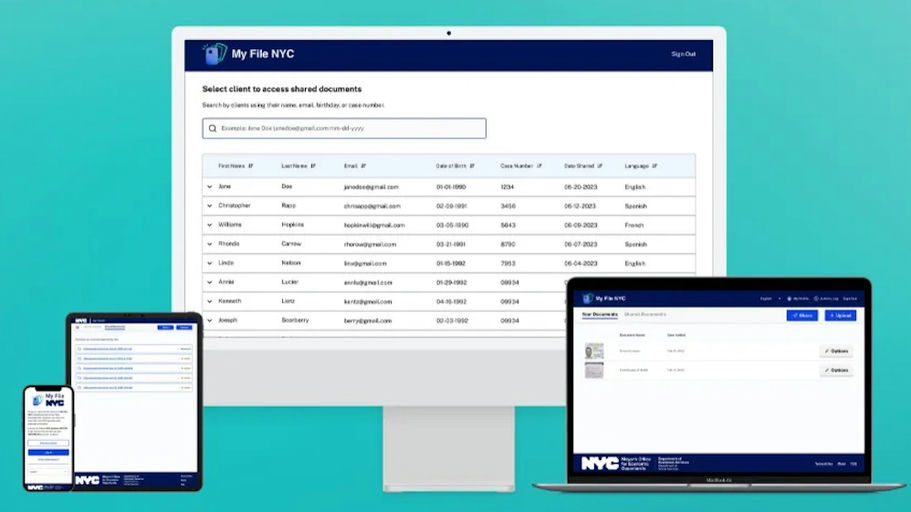
My File NYC is a document storage and sharing website that provides New York City residents a safe place to store and share vital documents when applying for City services.
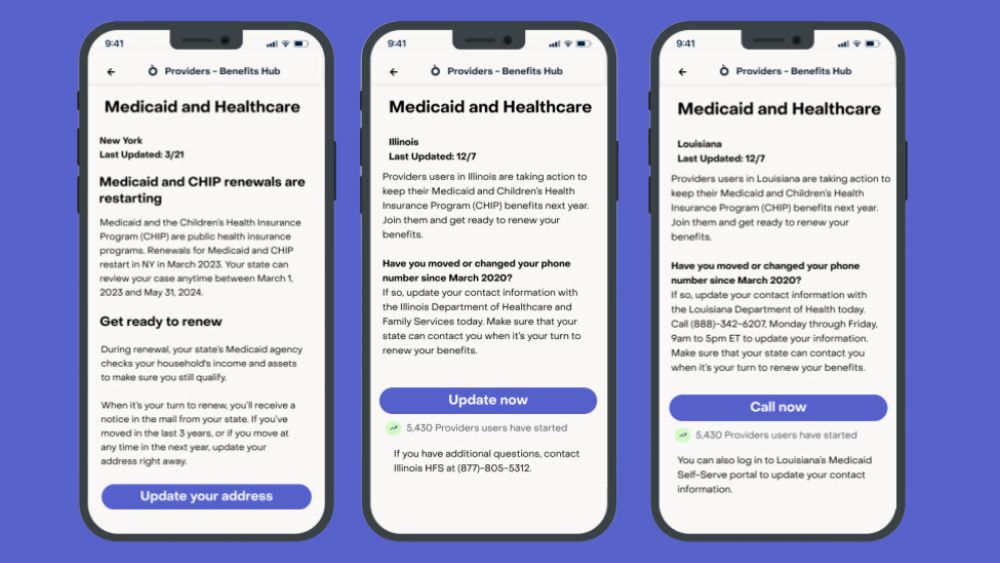
Propel describes how its mobile app outreach campaign helped millions of Medicaid enrollees navigate renewal during the post-pandemic “unwinding” by driving action through notifications, messaging, and in-app tools.
This case study examines how Michigan’s Department of Health and Human Services uses data practices to advance racial equity in child welfare through identity-informed data collection and anonymous decision-making.
U.S. Department of Health and Human Services (HHS)
A case study that reflects on the design, implementation, and early outcomes of a local child care wage boost pilot aimed at improving job quality and retention in the child care workforce.
The goal of the brief is to encourage policy makers and employers to consider benefits cliffs as they look to create mandatory wage increases, with a look at a legislative action in NYC.
The Increasing Stimulus Payment Take-up in California report by the California Policy Lab examines barriers to accessing federal stimulus payments and provides strategies to increase take-up among eligible Californians, particularly low-income and non-filers.
This case study highlights Michigan’s integrated, data-driven approach to reducing food insecurity through cross-agency collaboration, referral tracking, and targeted outreach.
American Public Human Services Association (APHSA)
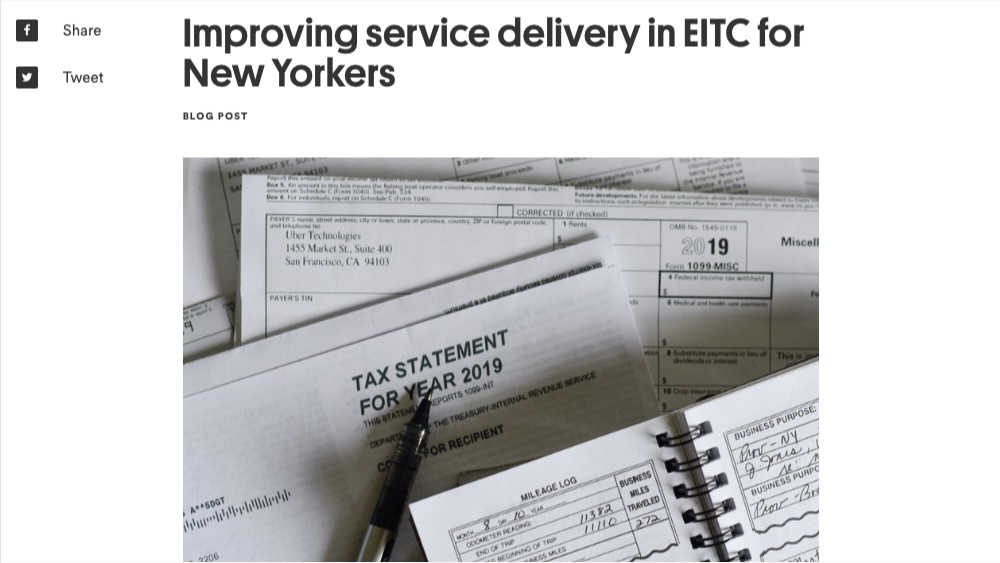
The Improving Service Delivery in EITC for New Yorkers initiative explores ways to enhance access to the Earned Income Tax Credit (EITC) through improved outreach, application processes, and service delivery.