This article details the collaboration between Miami-Dade County, community partners, and technologists to enhance climate resilience by allowing residents to report and access information on extreme heat conditions affecting their commutes.
This article examines how the City of Long Beach, California, collaborated with TOPC to develop a digital tool aimed at enhancing community engagement and expanding urban tree canopy coverage.
A toolkit that explains how to apply a content-first design approach to public services, helping teams design content strategy and interfaces based on user needs.
This page describes how the GSA’s 10x team supported digital trust and security across federal services by building shared tools, automating compliance, and exploring privacy-preserving techniques.
This blog post shares five key service design lessons from U.K. experts Lou Downe and Sarah Drummond, offering practical guidance for building more connected, user-centered government services in British Columbia.
DSN Spotlights are short-form project profiles that feature exciting work happening across our network of digital government practitioners. Spotlights celebrate our members’ stories, lift up actionable takeaways for other practitioners, and put the resources + examples we host in the Digital Government Hub in context.
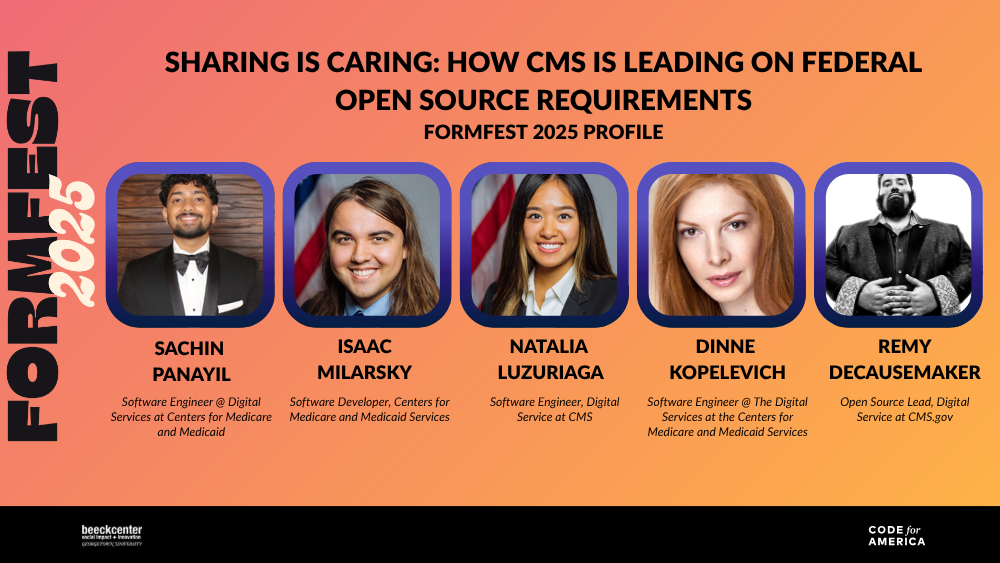
This profile on the Centers for Medicare and Medicaid Services’ (CMS) Open Source Program Office, the first of its kind in the federal government, showcasing how it advances transparency, collaboration, and innovation across agencies through open source software.
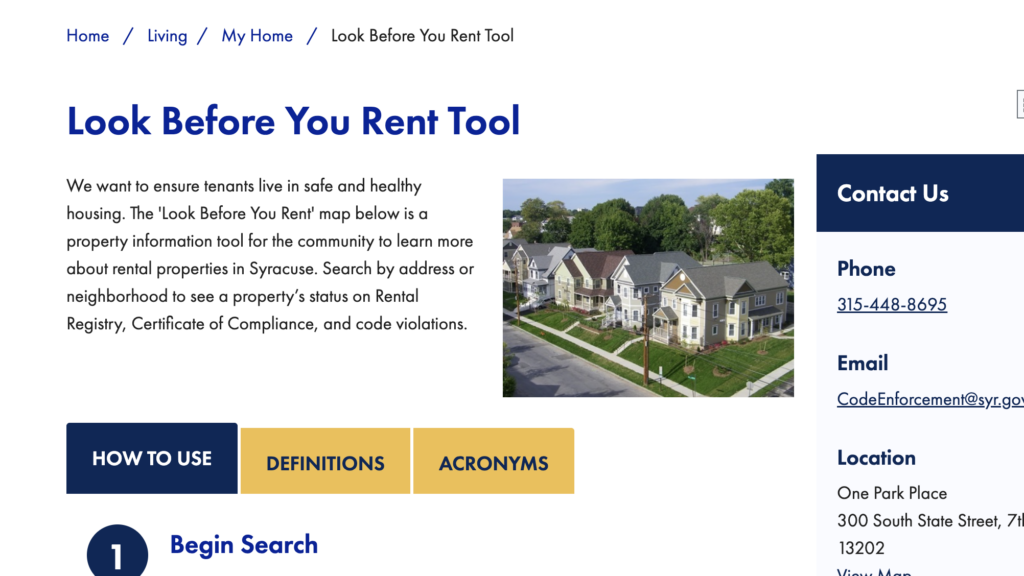
This blog describes the purpose and functionality of the Look Before You Rent online tool, which enables users to search rental property addresses and view any recorded housing code violations, inspection outcomes, or complaints.
A four-part U.S. Digital Service blog series detailing how the federal “Birth of a Child and Early Childhood” Life Experience team used human-centered design to improve benefit access, peer support, and maternal mental health services for families with children ages 0–5.
This blog summarizes an event exploring how the City of Boston and Washington State are designing and implementing Single Sign-On (SSO) systems to simplify access to government services.