This impact report showcases how the city used technology to expand digital equity, modernize services, and responsibly deploy emerging tech to better serve New Yorkers.
New York City Office of Office of Technology and Innovation (OTI)
An introduction to digital accessibility, emphasizing the importance of designing digital content to be usable by individuals with various disabilities, and guidelines and assistive technologies that support inclusive digital interactions.
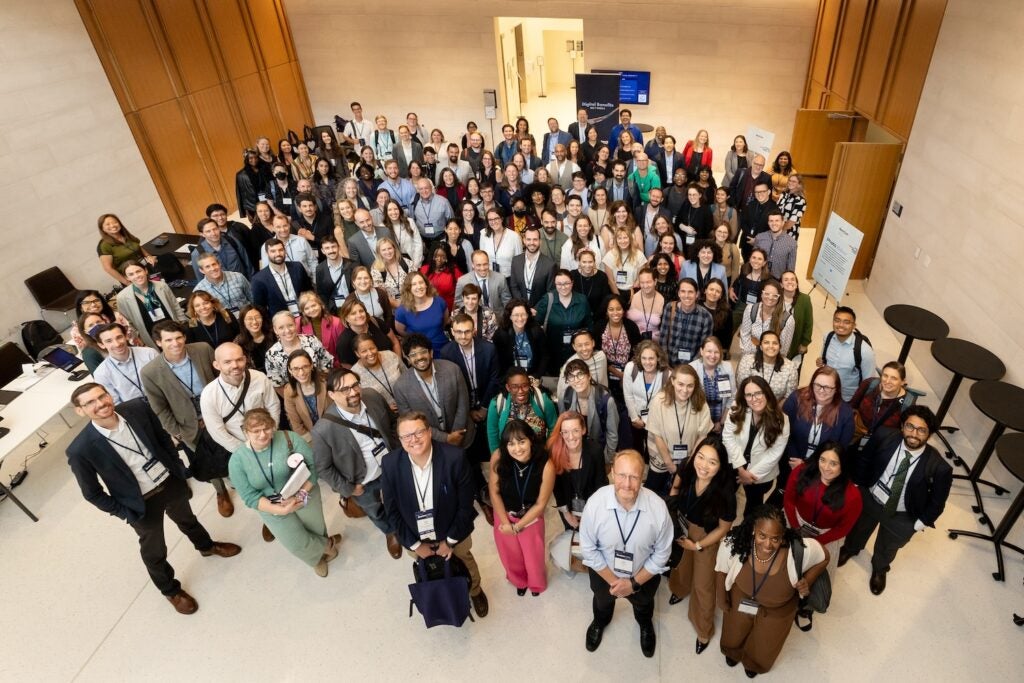
A recap of the two-day conference focused on charting the course to excellence in digital benefits delivery hosted at Georgetown University and online.
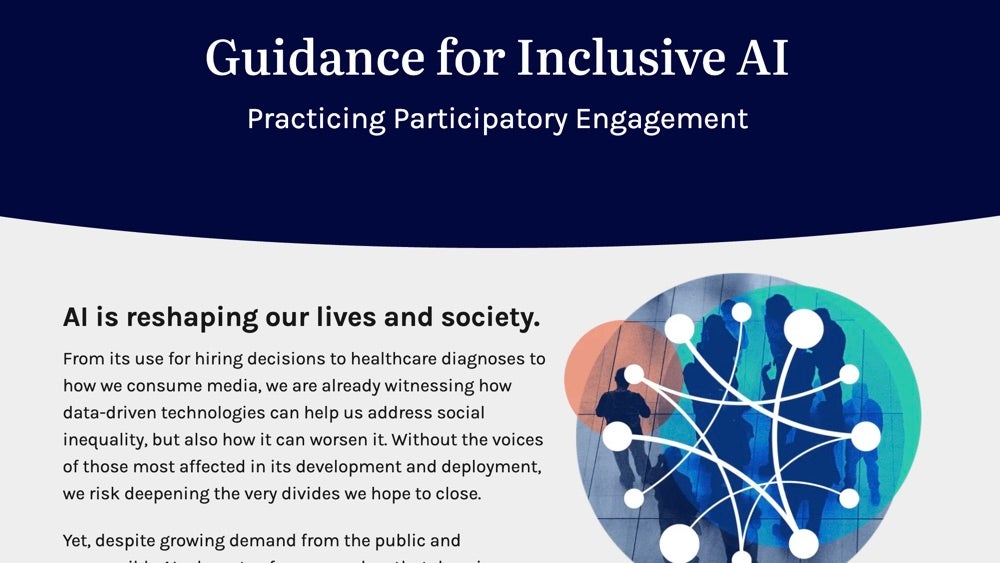
This resource helps individuals with aligning their work with the needs of the communities they wish to serve, while reducing the likelihood of harms and risks those communities may face due to the development and deployment of AI technologies.
This article examines the concept of "viral cash" and suggests that the future growth of basic income programs will depend on advocacy networks rather than traditional policy diffusion across jurisdictions.
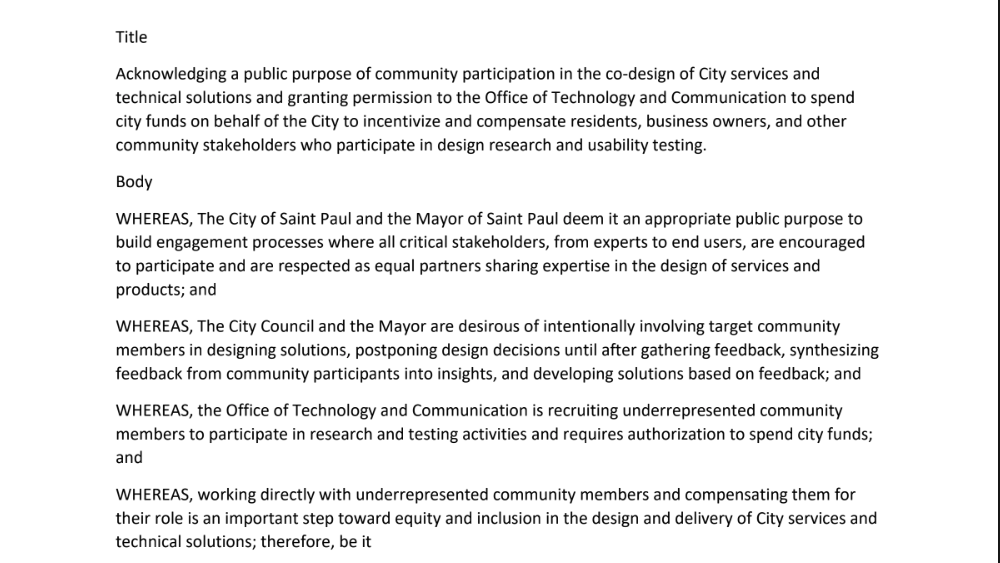
The user recruitment services resolution passed in Saint Paul, MN for a third year in a row in 2024. It allows for city funds to be used to compensate community members who participate in research.
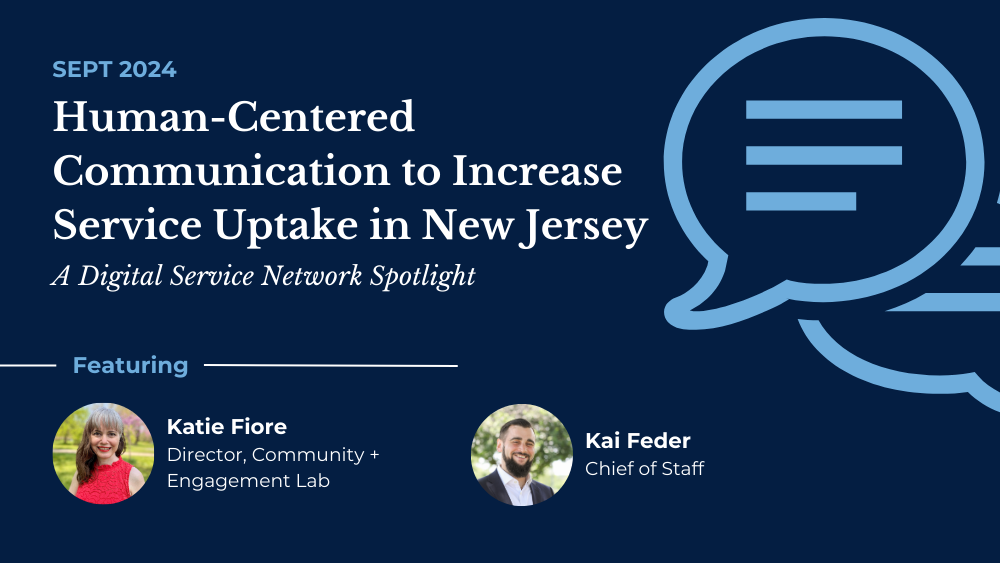
The Digital Services Network (DSN) spoke with the director of the C+E Lab, Katie Fiore, and OOI chief of staff, Kai Feder, to learn more about the C+E Lab and its ongoing role in shifting the State’s approach to using marketing to better connect residents to programs and services.
This book explores the current capabilities, future possibilities, and necessary governance for facial recognition technology. The report discusses legal, societal, and ethical implications of the technology, and recommends ways that federal agencies and others developing and deploying the technology can mitigate potential harms and enact more comprehensive safeguards.
National Academies of Sciences, Engineering, and Medicine
CMS has identified a number of immediate and longer-term strategies that states can implement to improve application processing timeframes and address application backlogs.
Recording of GOVChats hosted by GTA's Digital Services Georgia, where speakers dive into the artificial intelligence (AI) programs and initiatives unfolding across the states of Georgia, Maryland, and Vermont.