This report explores how state and local agencies can enhance customer service in health and human services by implementing technologies such as web-based tools, mobile applications, and call center innovations, aiming to streamline processes and improve client interactions.
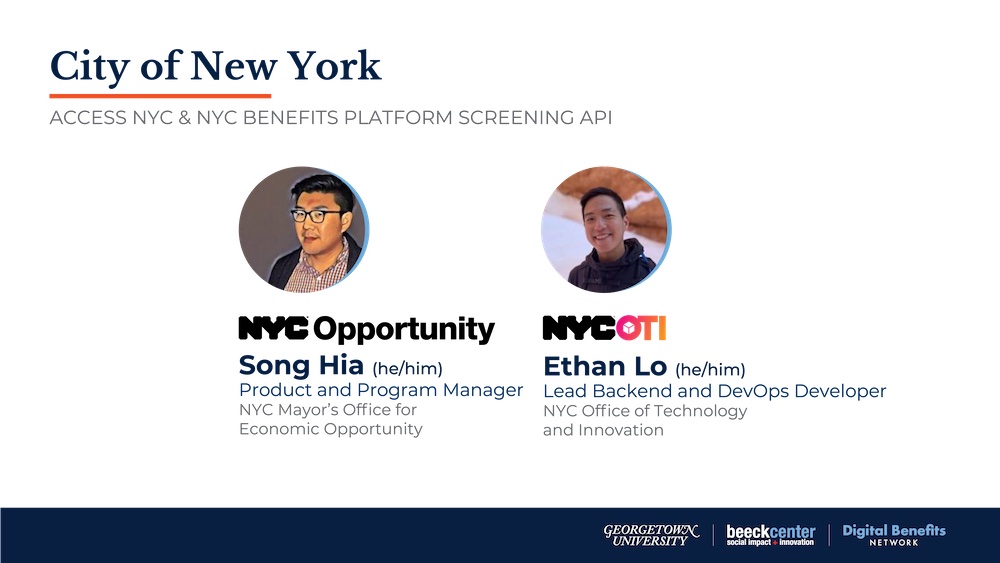
At Rules as Code Demo Day we heard from Song Hia of the NYC Mayor’s Office for Economic Opportunity and Ethan Lo of the NYC Office of Technology and Innovation who demoed the NYC Benefits Platform Screening API which provides machine-readable calculations and criteria for benefits screening that power the ACCESS NYC screening questionnaire. This makes it easier for NYC residents to discover multiple benefits they may be eligible for. The City is now extending the API to support the new MyCity platform, a one-stop shop for all services and benefits.
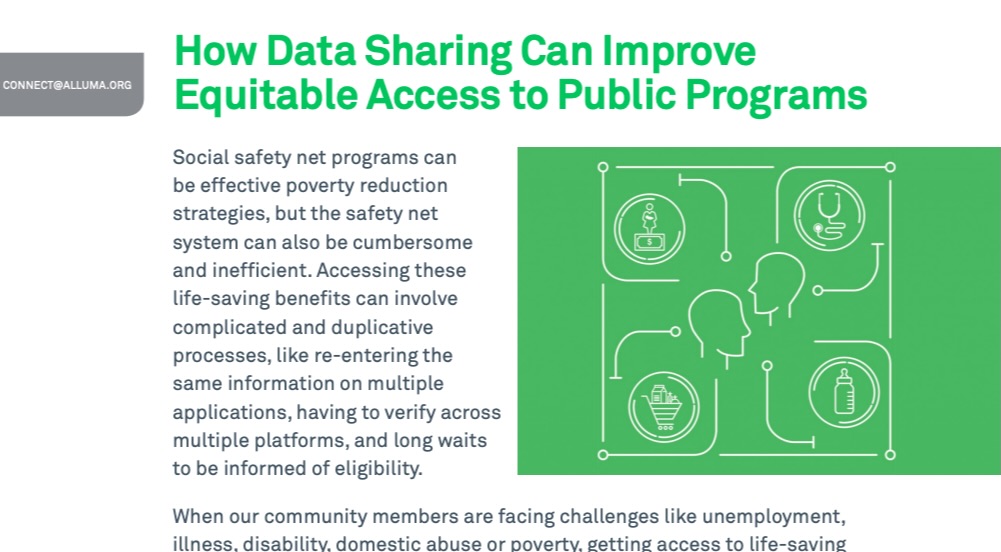
Accessing safety net benefits can involve complicated and duplicative processes that create barriers to access. Using cross-enrollment strategies can minimize the difficulties community members face in getting access to life-saving resources.
This article details California's Disaster Relief Assistance for Immigrants (DRAI) program, which provided $500 in cash aid to undocumented adults affected by the COVID-19 pandemic, highlighting the collaborative efforts between the state, community-based organizations (CBOs), and Code for America to distribute $75 million to 150,000 individuals.
This report presents evidence on the use of algorithmic accountability policies in different contexts from the perspective of those implementing these tools, and explores the limits of legal and policy mechanisms in ensuring safe and accountable algorithmic systems.
The Hawai‘i Department of Human Services (DHS), in partnership with the Hawai‘i Department of Health (DOH) and the Children’s Healthy Living Center of Excellence (CHL Center) at the University of Hawai‘i at Mānoa, is building foundational capacity to share and analyze administrative data across the SNAP (Supplemental Nutrition Assistance Program) and the Special Supplemental Nutrition Program for Women, Infants and Children (WIC). This groundwork will enable Hawai‘i to increase access to nutrition support programs, in alignment with Hawai‘i’s ‘Ohana Nui framework, which aims to dismantle intergenerational poverty.
American Public Human Services Association (APHSA)
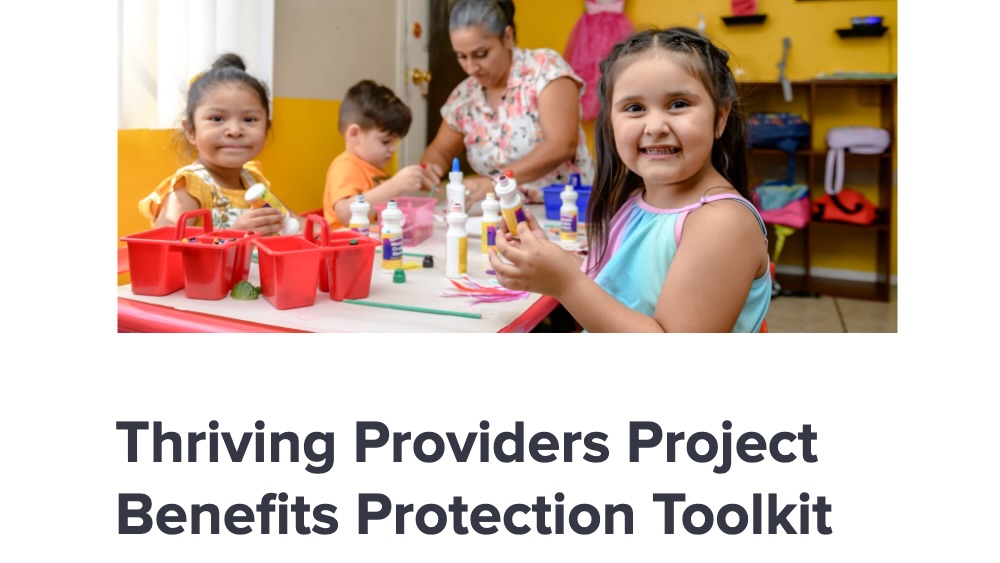
This benefits protection toolkit is a step-by-step guide to develop and integrate a benefits protection strategy into your Direct Cash Transfer (DCT) program design. This toolkit includes a set of customizable templates, letters, and other tools which should be downloaded and modified for your pilot and local context.
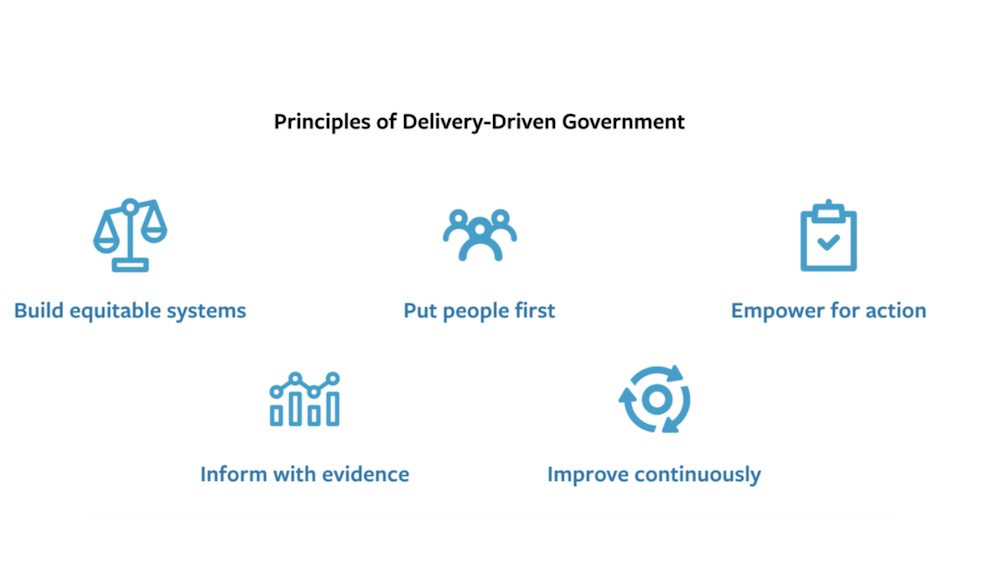
Code for America initially introduced the concept of Delivery-Driven Government in 2018. This article refreshes its original principles and expands on what the organization has learned to make its concepts clearer.
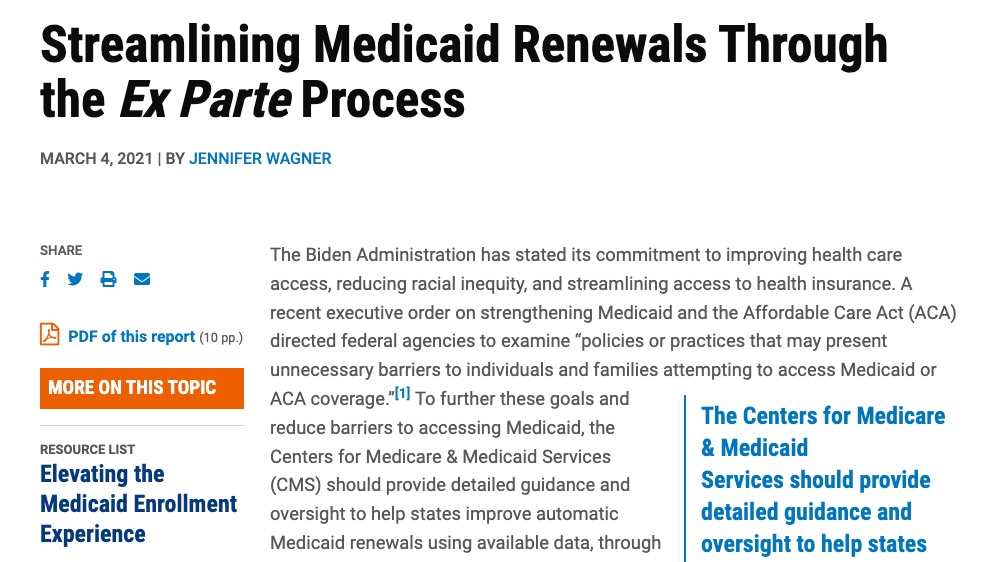
The report discusses how state Medicaid agencies can enhance efficiency and maintain coverage for eligible individuals by implementing ex parte renewals, which automatically renew beneficiaries' coverage using existing data without requiring action from enrollees.