This report focuses on the impact of adopting a national PFML program modeled on existing state programs, known as the Family and Medical Insurance Leave (FAMILY) Act.
This resource introduces the "Layer Cake" approach, a framework for driving behavior change in government systems and public services by addressing all layers of service delivery, from frontline staff to policymakers, with an emphasis on human-centered design and civic participation.
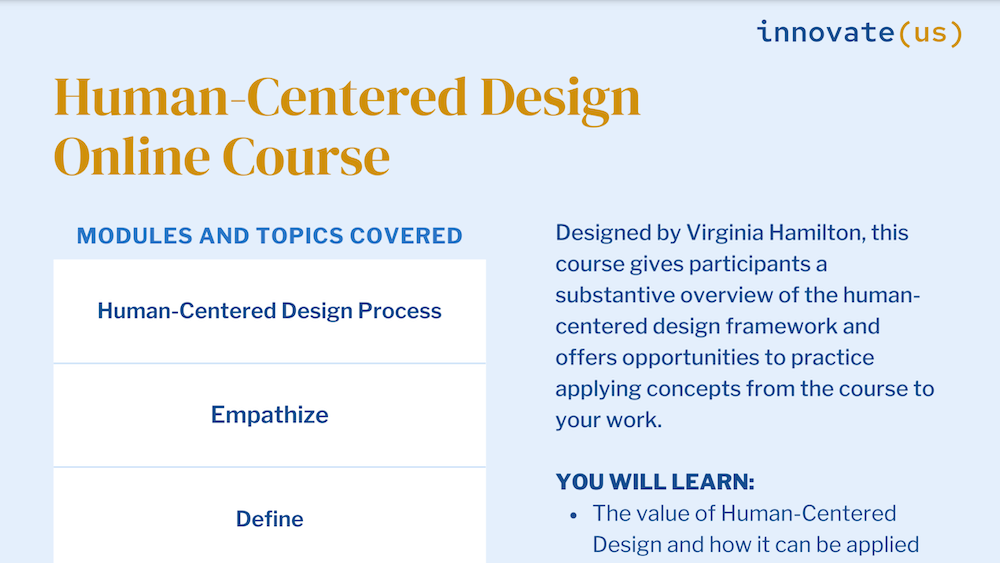
This course gives participants a substantive overview of the human-centered design framework and offers opportunities to practice applying concepts from the course to your work.
This page includes data and observations about account creation and identity proofing steps specifically for online applications that include MAGI Medicaid.
This brief outlines research recommendations to better understand and improve income support and employment services for low-income and at-risk LGBT populations.
U.S. Department of Health and Human Services (HHS)
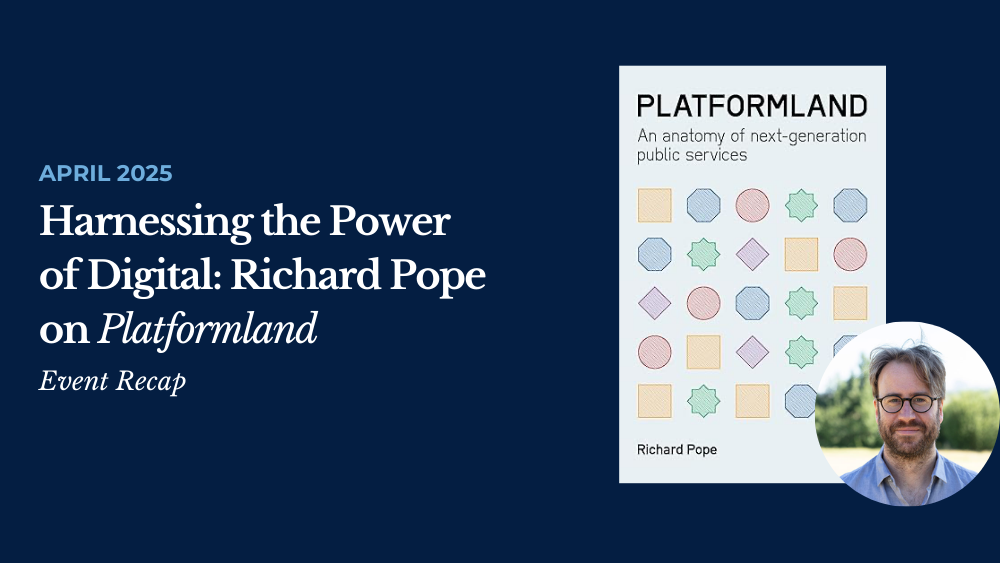
This blog recaps a conversation with Richard Pope, author of Platformland, on how public sector digital services must evolve to reduce administrative burden, enable easier service creation, and foster transparency and democratic participation.
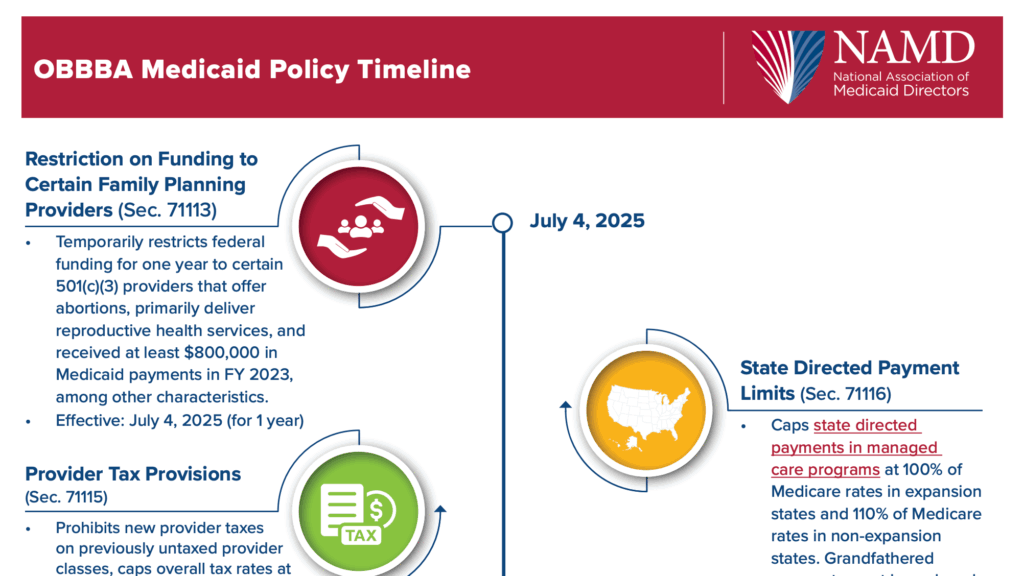
This timeline outlines key Medicaid policy changes introduced by the One Big Beautiful Bill (OBBBA / H.R. 1) with the greatest operational impact on state and territory agencies and highlights upcoming implementation deadlines.
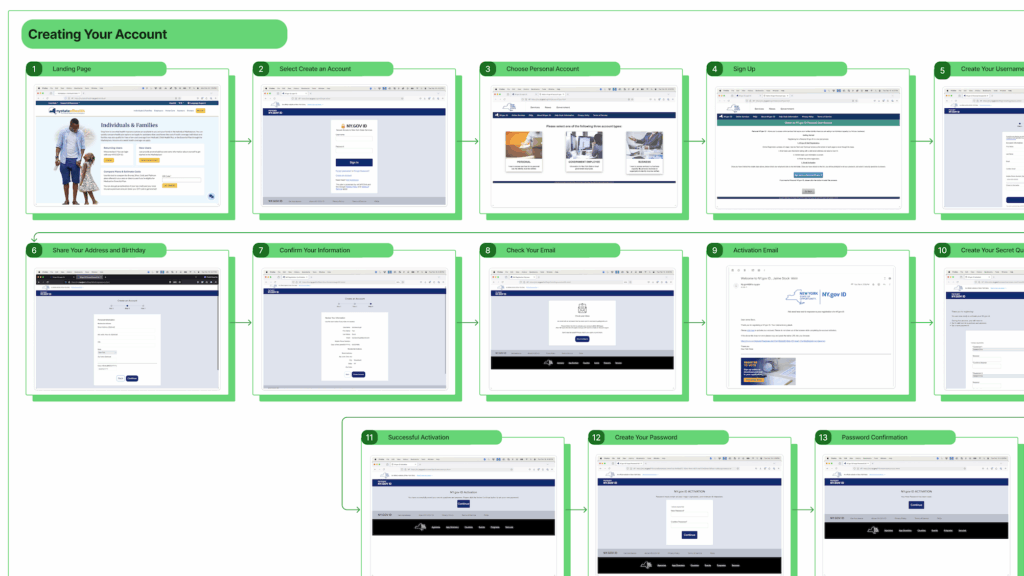
Created for use in the Digital Doorways research project, this design stimuli shows the steps of submitting an application, sharing personal information, and verifying identity for New York's online application for Medicaid.
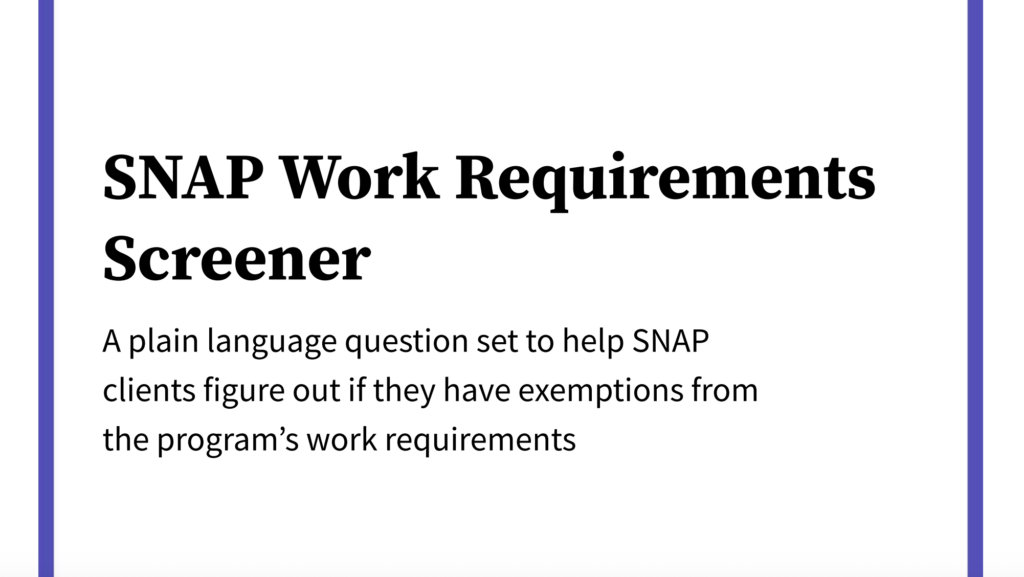
This is a practical, plain-language screening tool designed to help SNAP clients determine if they qualify for exemptions from the program's work requirements.