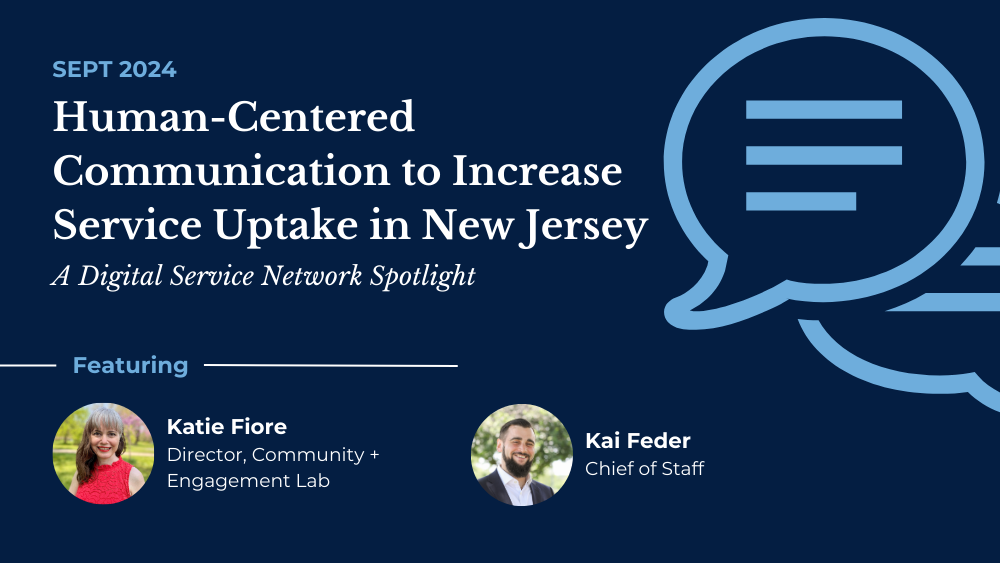
The Digital Services Network (DSN) spoke with the director of the C+E Lab, Katie Fiore, and OOI chief of staff, Kai Feder, to learn more about the C+E Lab and its ongoing role in shifting the State’s approach to using marketing to better connect residents to programs and services.
This brief describes TDI’s efforts to transform federal TANF and employment data into an integrated resource for program management and evidence building.
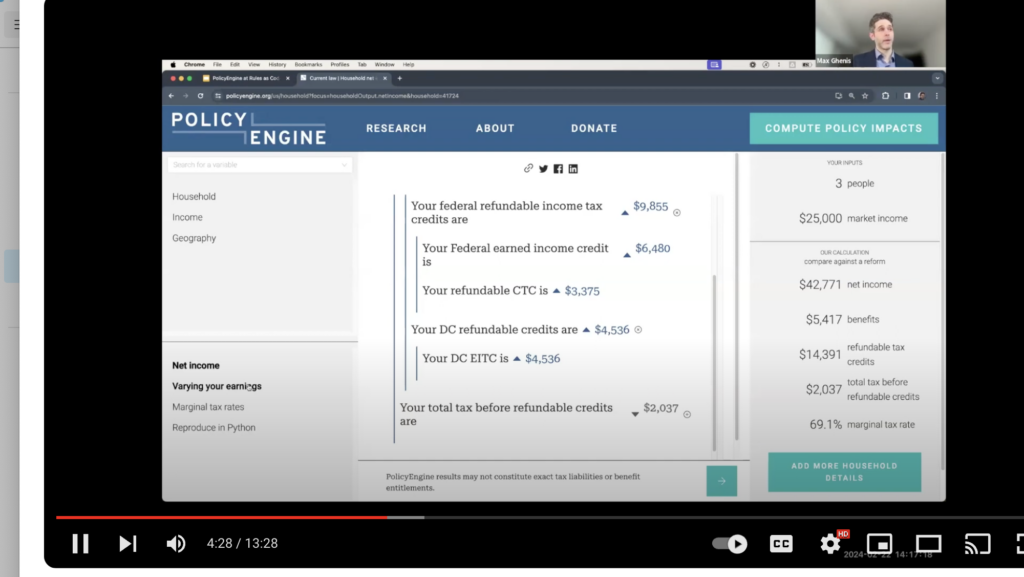
The OECD report explores the concept of "Rules as Code" (RaC), proposing a transformation in government rulemaking by developing machine-consumable regulations alongside human-readable versions.
Organisation for Economic Co-operation and Development (OECD)
This guide, directed at poverty lawyers, explains automated decision-making systems so lawyers and advocates can better identify the source of their clients' problems and advocate on their behalf. Relevant for practitioners, this report covers key questions around automated decision-making systems.
This report outlines key lessons and recommendations from Code for America's collaboration with the Voluntary Income Tax Assistance program, which served over 800,000 clients via GetYourRefund.org.
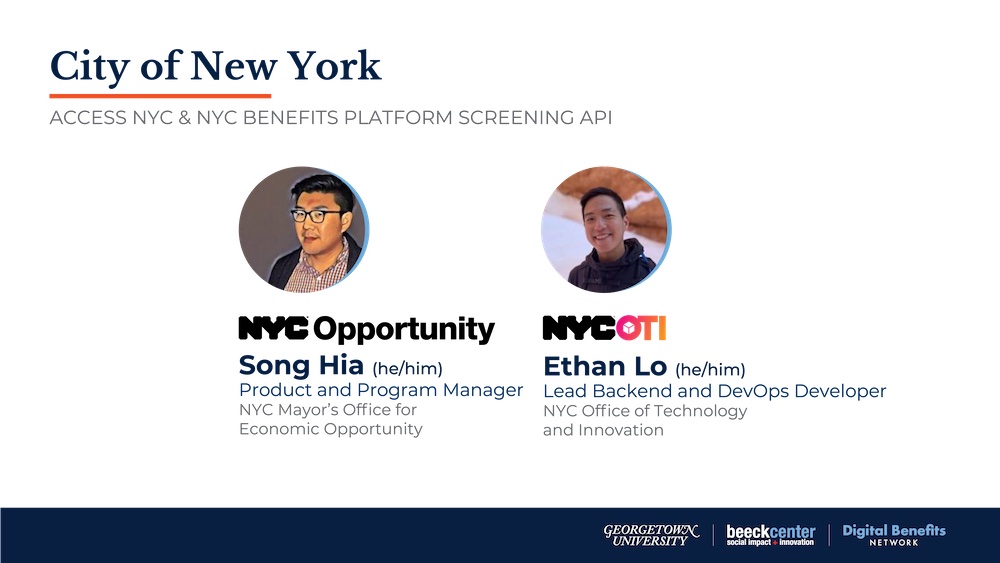
At Rules as Code Demo Day we heard from Song Hia of the NYC Mayor’s Office for Economic Opportunity and Ethan Lo of the NYC Office of Technology and Innovation who demoed the NYC Benefits Platform Screening API which provides machine-readable calculations and criteria for benefits screening that power the ACCESS NYC screening questionnaire. This makes it easier for NYC residents to discover multiple benefits they may be eligible for. The City is now extending the API to support the new MyCity platform, a one-stop shop for all services and benefits.
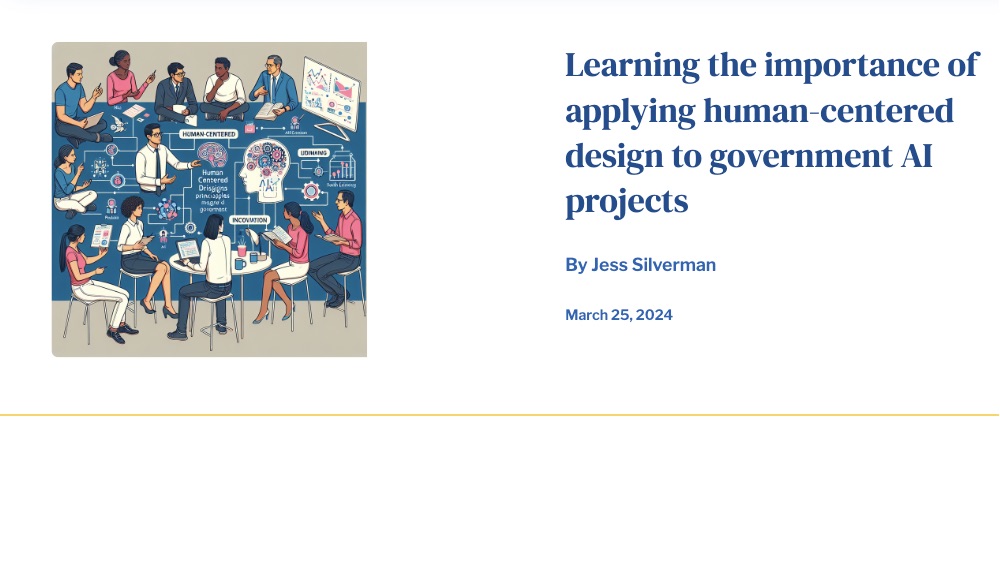
Takeaways from a workshop focusing on applying human-centered design to government artificial intelligence (AI) projects, led by Elham Ali, Researcher from the Beeck Center for Social Impact and Innovation.
A New America report examines the Volunteer Income Tax Assistance (VITA) program, highlighting its role in aiding low-income tax filers and offering recommendations to enhance public benefit access through improved tax filing assistance.
This report provides specific actions the federal government could take to reduce identity fraud and establish a whole-of-government victim redress approach.
This webinar addressed the near completion of the Medicaid continuous coverage unwinding, highlighting a net decrease of almost 10.6 million enrollees, including over 4 million children, and discussed next steps for state compliance, best practices, and outreach strategies to reconnect eligible individuals who lost coverage.