Better designs should never come at the cost of another person’s wellbeing. Informed consent is a fundamental part of an ethical research program, which respects participants and protects them from harm.
This workshop summary provides practical guidance for web developers and designers on implementing accessible web design practices, emphasizing the importance of inclusivity and usability for all users.
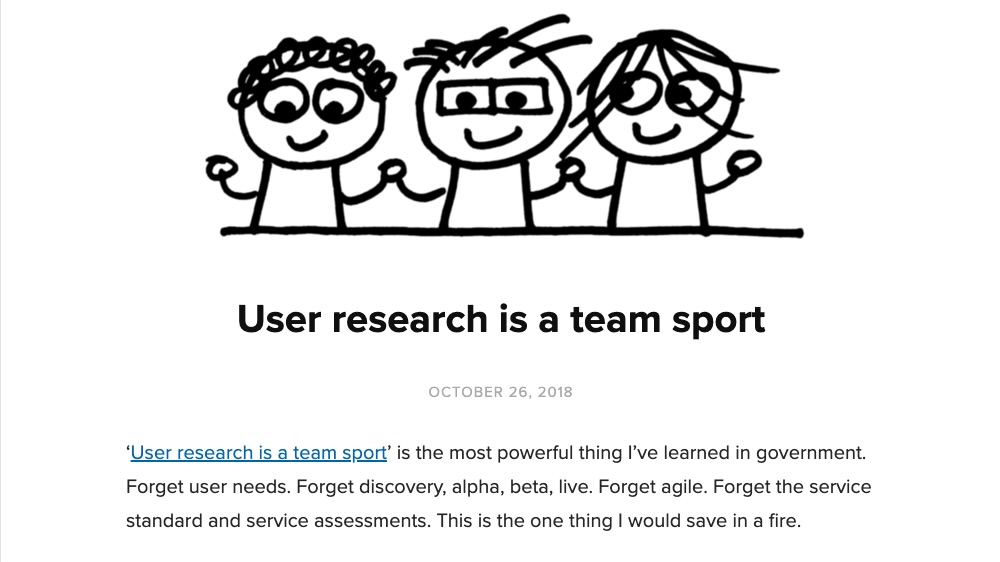
User research requires working as a team, since it necessitates running sessions with participants, observing and moderating research sessions, analyzing and synthesizing results, as well as communicating results effectively.
This blog discusses how the “Big Beautiful Bill” (H.R. 1) contains provisions that undermine SNAP and warns that states will be burdened by its fiscal and administrative impact.
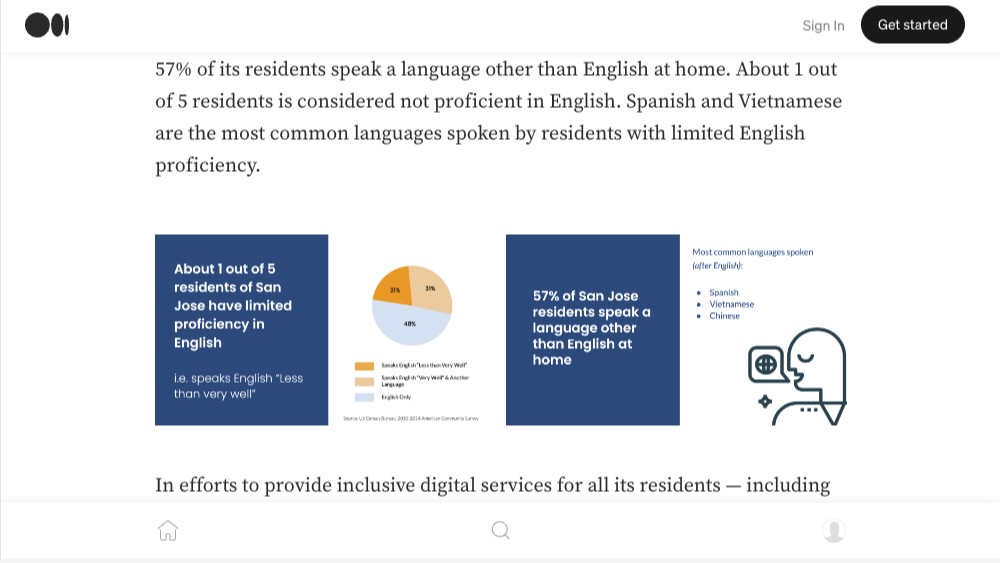
A discussion of lessons learned in the City of San José’s efforts to provide inclusive digital services for all residents through the San José 311 app.
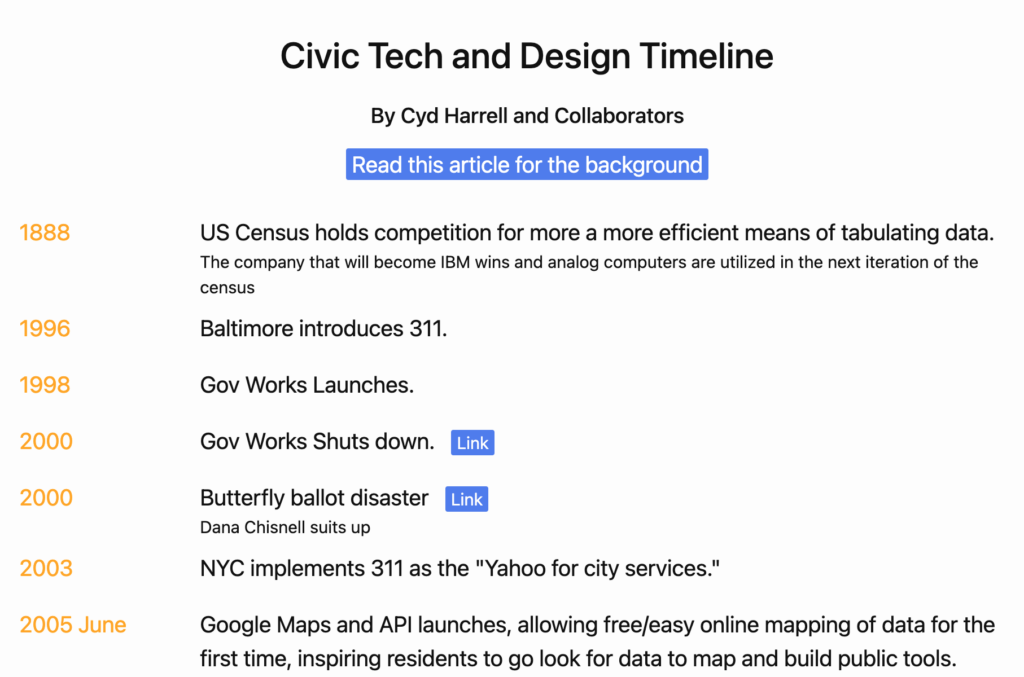
This guide by Cyd Harrell serves as a comprehensive manual for technologists aiming to engage effectively in public sector projects, offering practical advice on navigating government partnerships and driving impactful change.