Executed on March 28, 2024, this memorandum establishes new agency requirements and guidance for AI governance, innovation, and risk management, including through specific minimum risk management practices for uses of AI that impact the rights and safety of the public.
Executed on September 24, 2024, a memorandum for the heads of executive departments and agencies on advancing the responsible acquisition of artificial intelligence in government.
This playbook provides government-wide guidance for planning, procuring, and managing digital, data, and technology (DDaT) projects with a focus on innovation, agile delivery, cybersecurity, sustainability, and commercial best practices.
This report highlights the agency's role in transforming federal digital services through human-centered design, agile technology, and cross-agency collaboration.
This report shares the progress of the Biden-Harris Administration on health care access, prescription drug affordability, mental health, maternal health, and public health investments.
A policy directive that establishes standards and guidance for federal executive agencies to manage, secure, and deliver public websites and digital services that are user-centered, accessible, and data-driven.
A practical playbook for designing and running technical challenges in procurement to evaluate vendors’ real-world problem-solving ability rather than just written proposals.
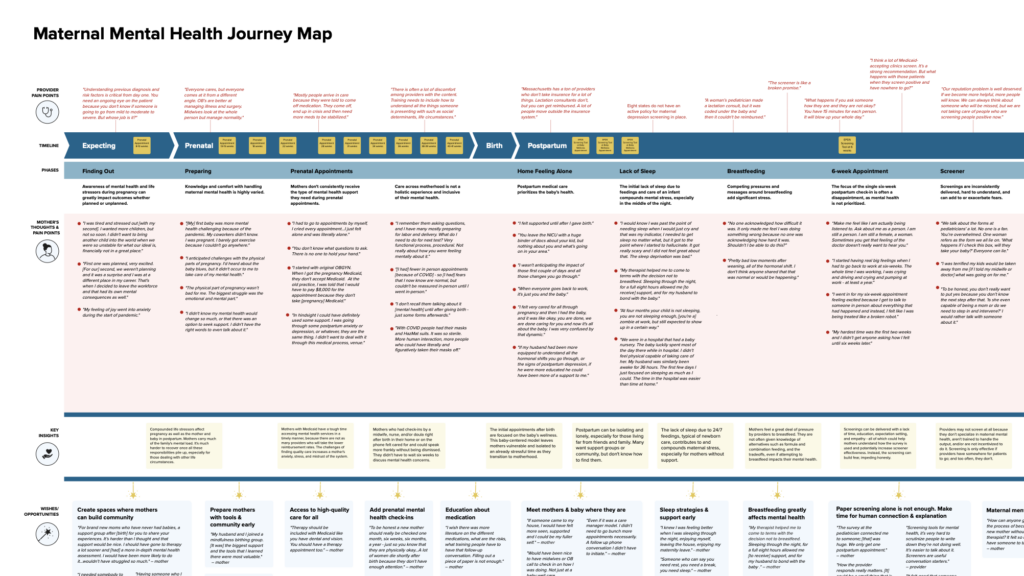
This research visualizes the complex emotional and clinical stages of the maternal mental health experience, from initial pregnancy through postpartum recovery and the return to work.
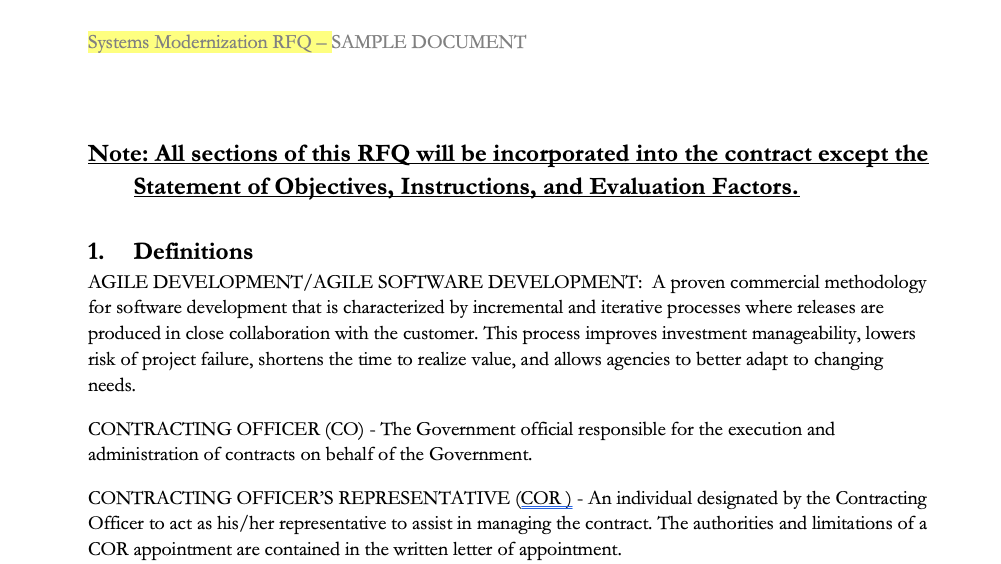
This handbook highlights the flexibilities in the Federal Acquisition Regulation (FAR) that can help agencies implement “plays” from the Digital Services Playbook, with a particular focus on how to use contractors to support an iterative, customer-driven software development process.
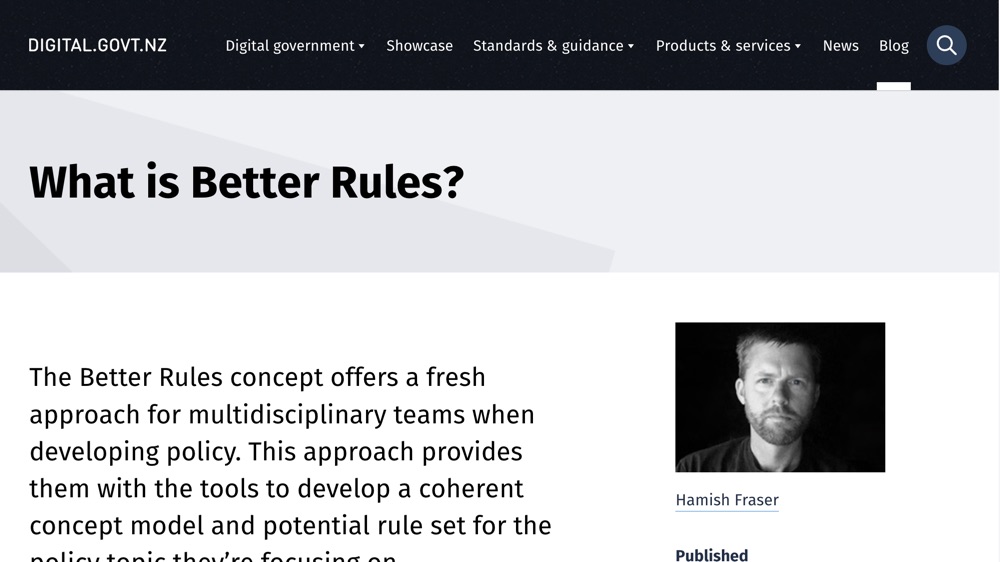
Better Rules utilizes multidisciplinary teams that include people skilled in policy, legal, business rules, programming, and service design working together in an iterative fashion to develop rules. Several outputs are produced using this approach, each offering an opportunity that can be fed back into that iterative process and re-used to solve other issues.
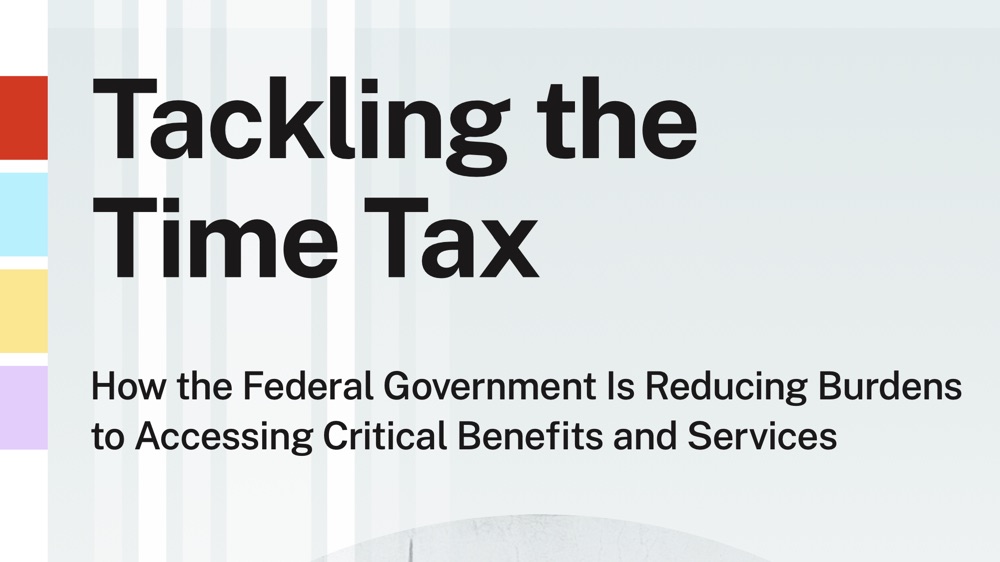
This report summarizes progress made with agencies and members of the public to identify and reduce burdens that individuals, families, and small businesses face every day when interacting with government programs.