
Organization: U.S. General Services Administration (GSA)
-
Designing Digital Content For Users With Cognitive Disabilities
A guide to designing and developing digital content that is more accessible and usable for people with cognitive disabilities.
-
Human-Centered Design Guide Series
A series of guides from Digital.gov to help you understand and practice human-centered design
-
18F User Experience Design Guide
The 18F User Experience Guide covers approaches to research and design.
-
18F Agile-based project approach
18F describes its Agile-based project approach combining iterative software development, product management, user-centered design, and DevOps.
-
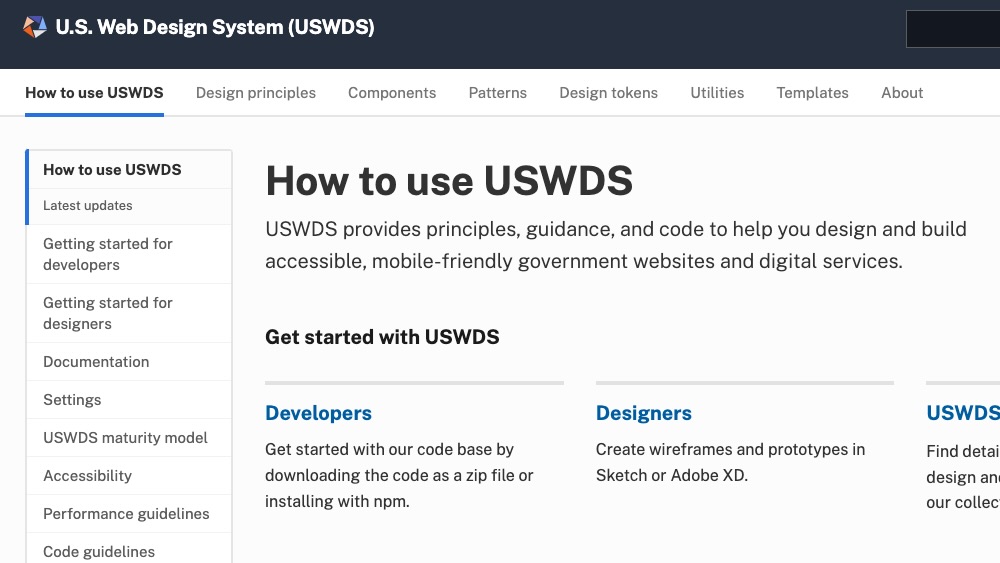
How to Use the U.S. Web Design System (USWDS)
USWDS provides principles, guidance, and code to help you design and build accessible, mobile-friendly government websites and digital services.
-
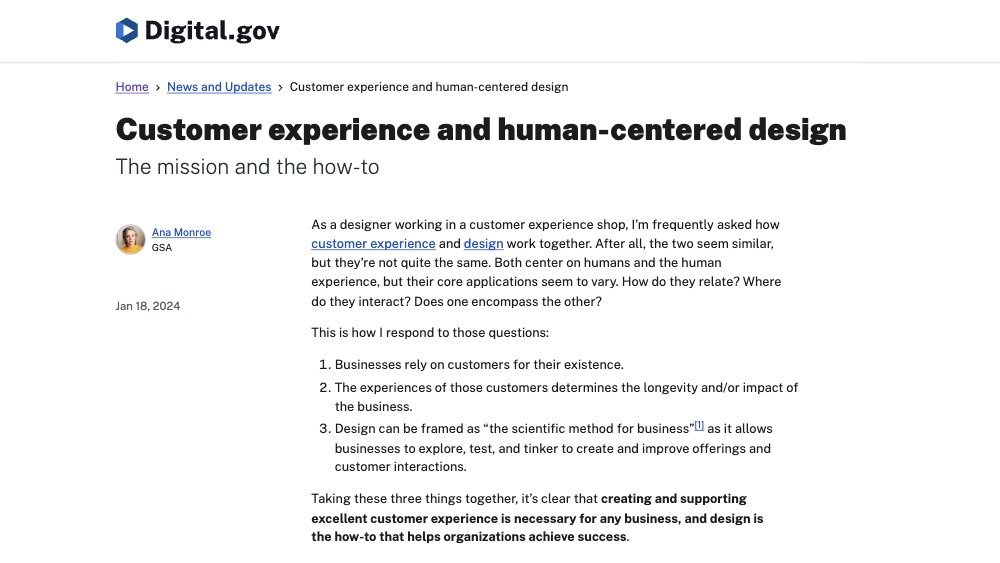
Customer experience and human-centered design
Customer experience is the application of design within a business context to craft the human experience.
-
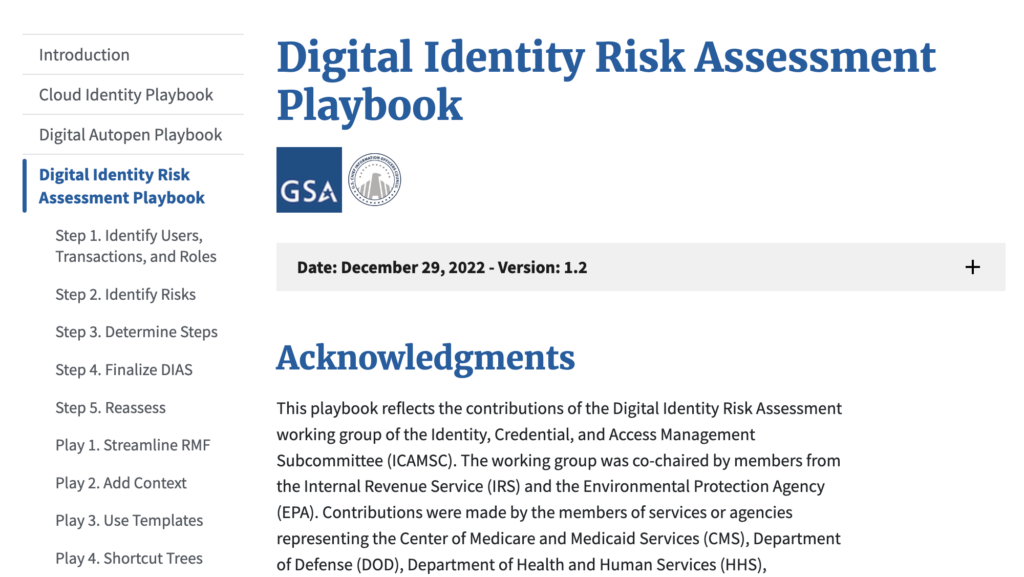
Digital Identity Risk Assessment Playbook
This playbook is a method to apply the National Institute of Standards and Technology (NIST) Special Publication 800-63-3 Digital Identity Guidelines.
-
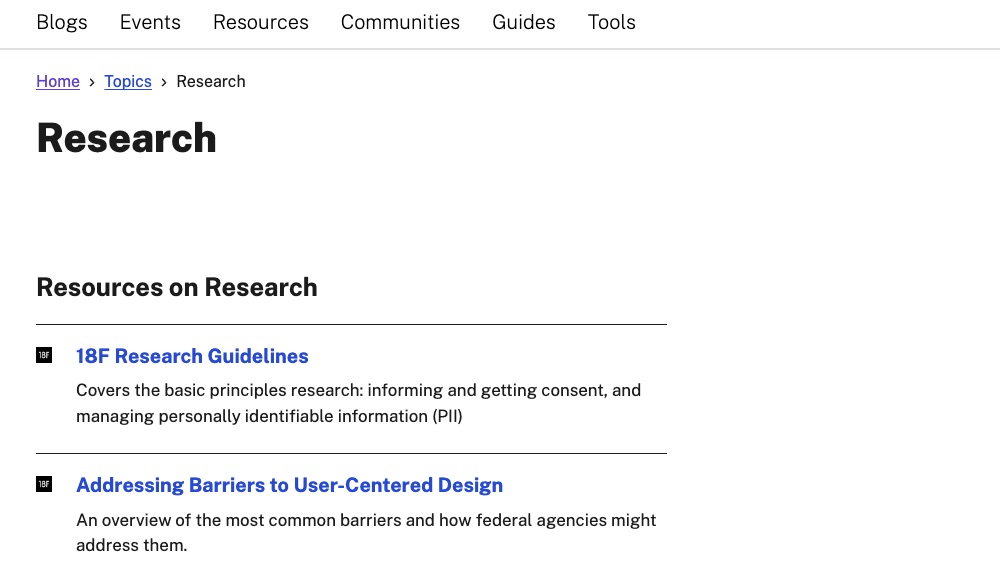
Digital.gov User Testing and Research News and Events Feed
A collection of updates, news, and events on user testing and research from Digital.gov.
-
7 Ways to Ignite User-Centered Design at Your Agency
Some tips for success when introducing user-centered design (UCD) to your organization.
-
AI Guide for Government: A Living and Evolving Guide to the Application of Artificial Intelligence for the U.S. Federal Government
This guide is intended to help government decision makers clearly see what AI means for their agencies and how to invest and build AI capabilities.
-
Guide to robotic process automation
The Guide to Robotic Process Automation, including the RPA Playbook provides detailed guidance for federal agencies starting a new RPA program or evolving an existing one.
-
Login.gov
Described as the “public’s one account for government,” this U.S. government website allows users to use one account and password for secure, private access to participating government agencies.