Sarah Bargal provides an overview of AI, machine learning, and deep learning, illustrating their potential for both positive and negative applications, including authentication, adversarial attacks, deepfakes, generative models, personalization, and ethical concerns.
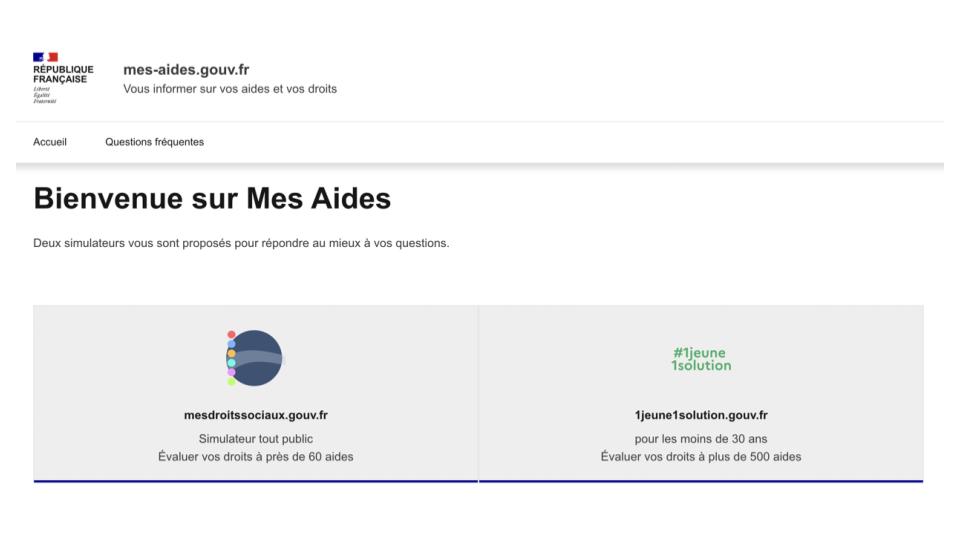
beta.gouv.fr, a French government incubator, developed Mes Aides, an online benefits simulator launched in 2014 to help residents assess their eligibility for various social programs, addressing the issue of unclaimed benefits. The tool, built with open-source technology, enabled users to quickly estimate their potential benefits but was later integrated into a broader platform in 2020 following internal government disputes over authority.
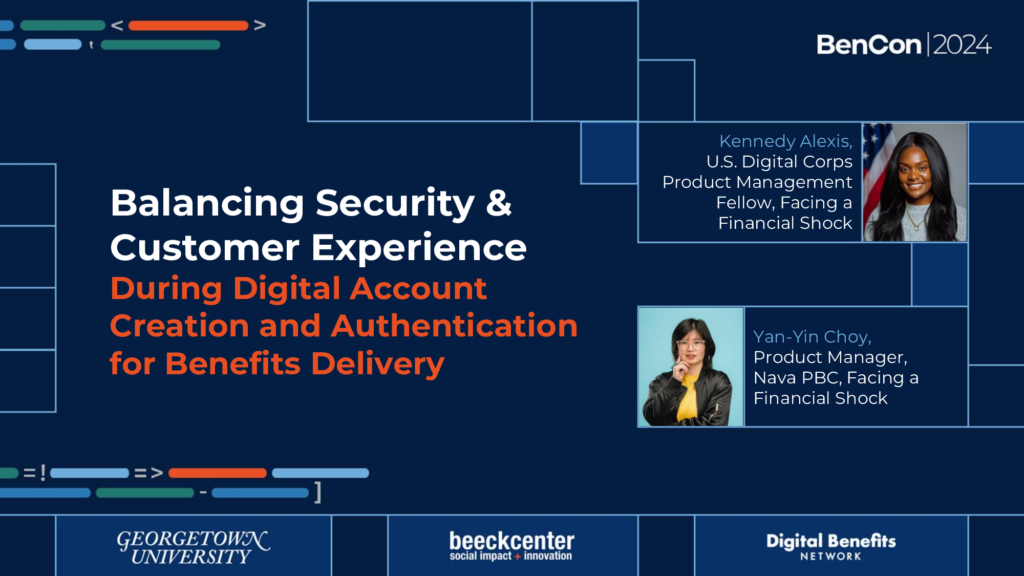
This presentation explores the balance between security and user experience in digital benefit account creation and authentication, highlighting insights from a forthcoming playbook focused on SNAP and Medicaid portals.
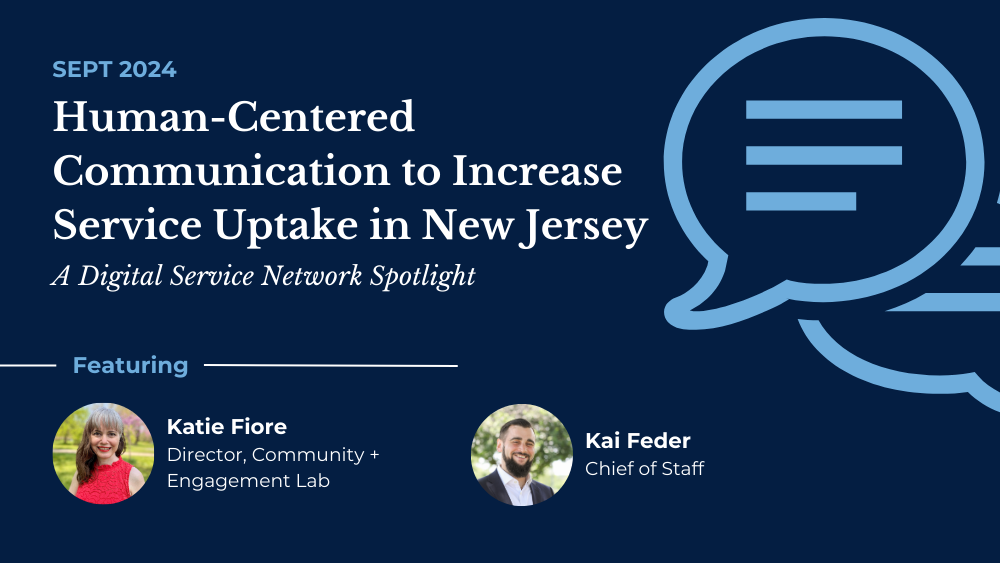
The Digital Services Network (DSN) spoke with the director of the C+E Lab, Katie Fiore, and OOI chief of staff, Kai Feder, to learn more about the C+E Lab and its ongoing role in shifting the State’s approach to using marketing to better connect residents to programs and services.
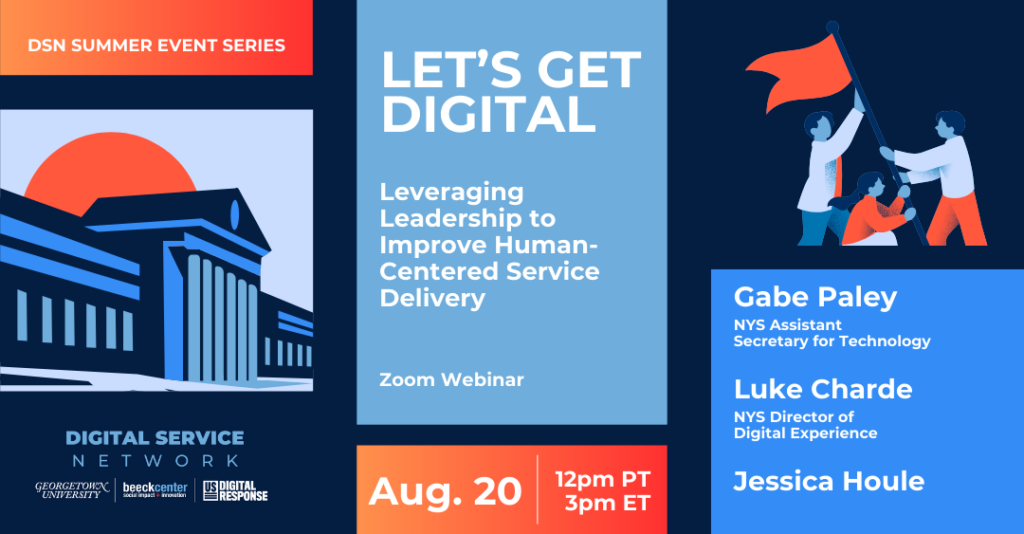
For the Digital Service Network’s (DSN) final installment of its summer event series, Let’s Get Digital, we heard about New York State’s (NYS) human-centered design (HCD) journey and how relationships between leadership and digital service teams have been pivotal in advancing user-centric service delivery.
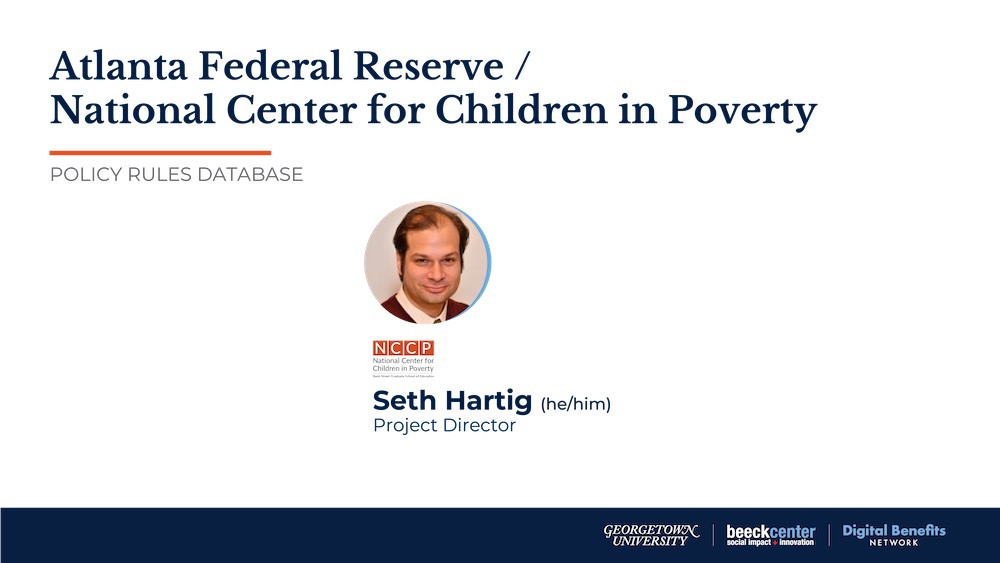
At Rules as Code Demo Day Seth Hartig from the National Center for Children in Poverty (NCCP) and Bank Street College demoed the Policy Rules Database (PRD), a collaborative effort between the Federal Reserve Bank of Atlanta and the NCCP. The primary purpose of the PRD is to simplify the interpretation of all programs by creating a common structure and a common terminology. The repository allows for research on public assistance programs and tax policies, and helps users model benefits cliffs on career pathways. The PRD is supported by a technical manual with pseudocode that helps guide integration and usage in other platforms.
The DBN’s Rules as Code Community of Practice (RaC CoP) creates a shared learning and exchange space for people working on public benefits eligibility and enrollment systems — and specifically people tackling the issue of how policy becomes software code.
The examples in this guide describe how peer-to-peer training and updated interview scripts can help connect residents to the benefits they are eligible for.
This video documents the Digital Benefits Network's Digital Identity Community of Practice launch, covering mission review, 2025 goals, California authentication innovations, and peer networking for equitable and effective digital identity in public benefits.