Technology enables governments to engage in “pilot” projects to see where they are headed and course-correct along the way, as opposed to evaluating the results over the course of multiple years. Delivery-driven government utilizes technology and “pilot” projects to see institutions and processes through the eyes of users, allowing for more effective service delivery.
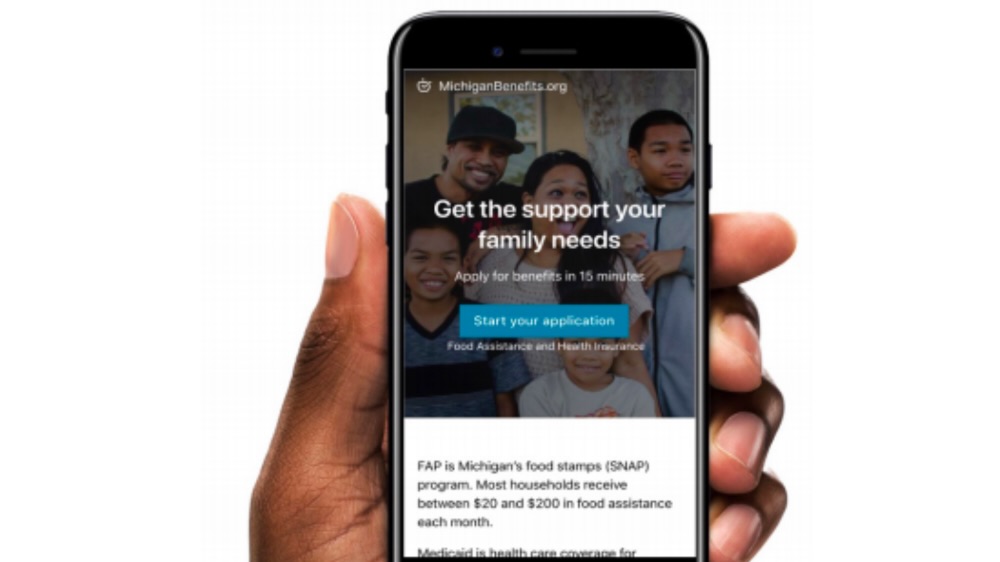
Code for America helped expand GetCalFresh (a service that guides Californians through the SNAP application process and helps government deliver food assistance to people in need) from a small pilot into a statewide service. They also recently concluded a similar pilot in Michigan along with Civilla and the Michigan Department of Health and Human Services.
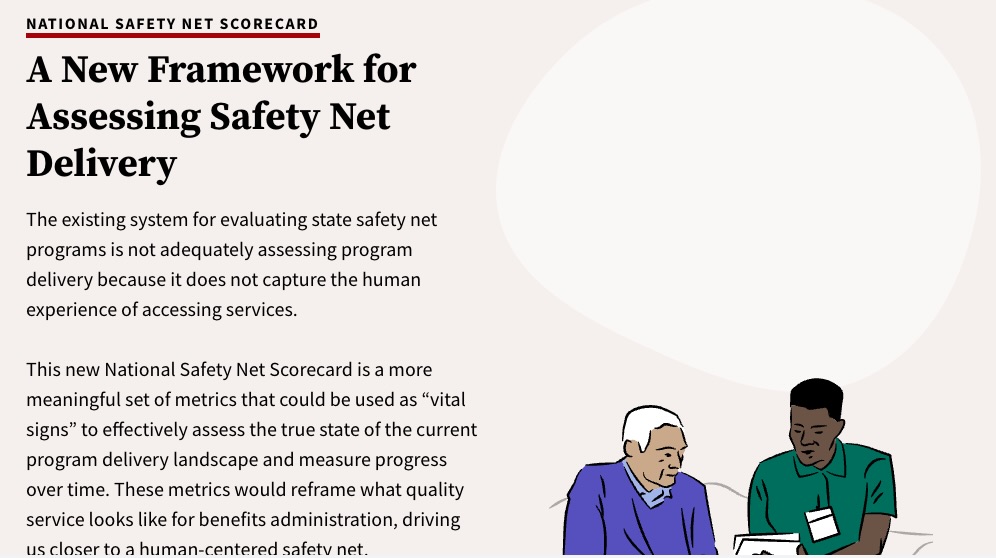
The existing system for evaluating state safety net programs does not adequately capture the human experience of accessing services. This new National Safety Net Scorecard is a more meaningful set of metrics that can effectively asses the true state of the current program delivery landscape and measure progress over time, creating a more human-centered safety net.
This session from FormFest 2024 features the South Carolina Early Childhood Advisory Council’s work developing a single portal to integrate applications for publicly funded programs and services, and the office of Federal Student Aid’s work on the FAFSA form.
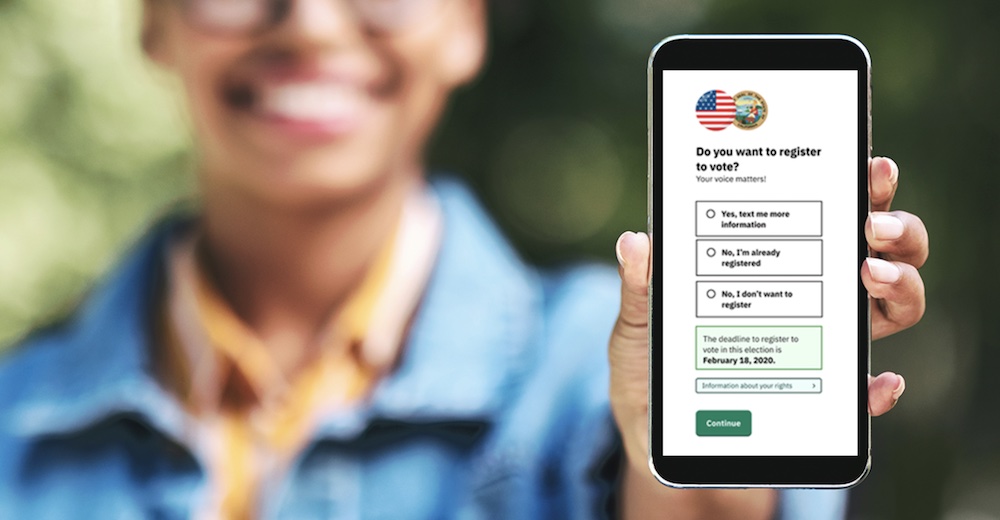
The GetCalFresh team, the California Department of Social Services, and the California Secretary of State’s office worked together to create a simplified, accessible voter registration experience with clients. When people come to GetCalFresh.org, they are looking to apply for food assistance, so the state of California did not want voter registration to become an obstacle to the goal of getting food assistance. Thus, rather than directing clients to anther website, they offered to text clients a link to the CA Secretary of State’s voter website with directions on how to register.
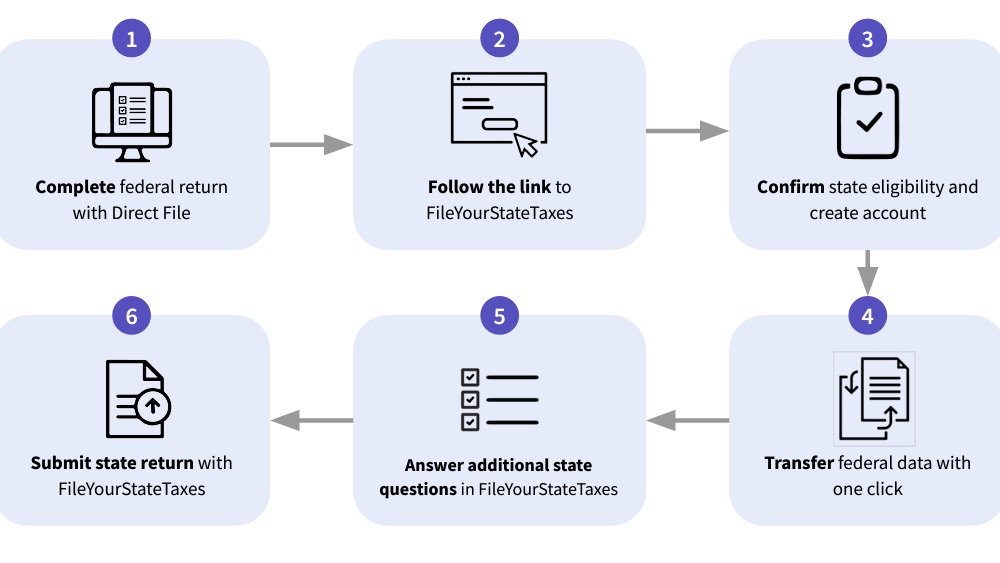
The FileYourStateTaxes pilot successfully integrated state tax filing with the IRS Direct File program, improving taxpayer experience and ease of filing.
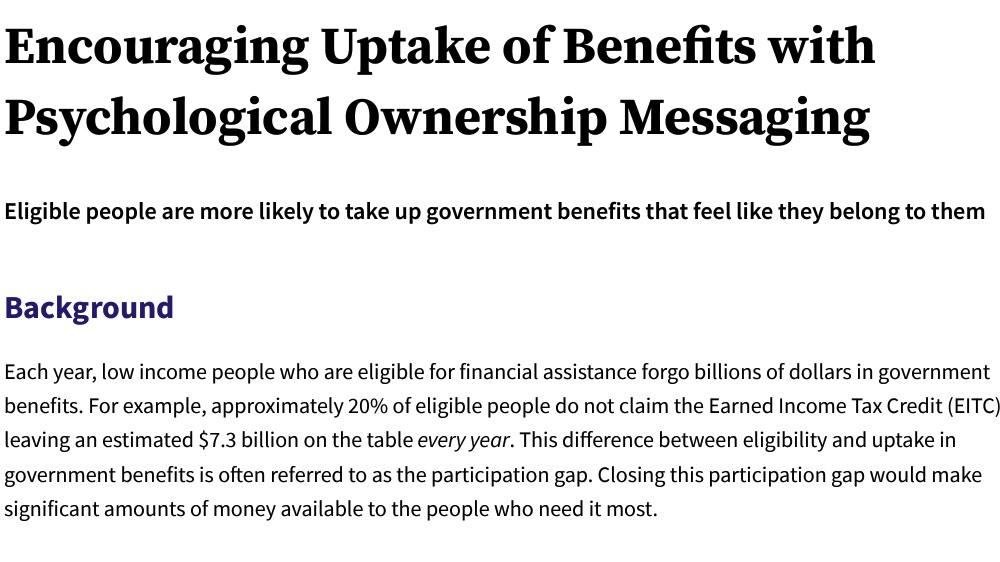
A brief report on our quantitative research about messages that increase people's take-up of government benefits by making them feel like those benefits belong to them.
Code for America discusses the importance of a people-centered, digital-first safety net. Tools of technology, policy, and good implementation can advance a bold vision that will allow the nation to push through the end of the COVID-19 crisis.
This report outlines key lessons and recommendations from Code for America's collaboration with the Voluntary Income Tax Assistance program, which served over 800,000 clients via GetYourRefund.org.