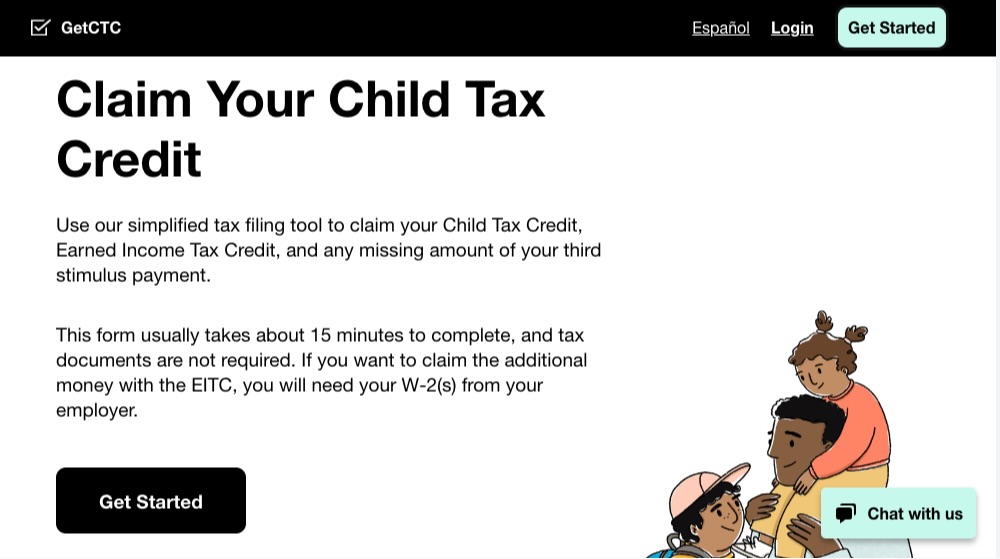
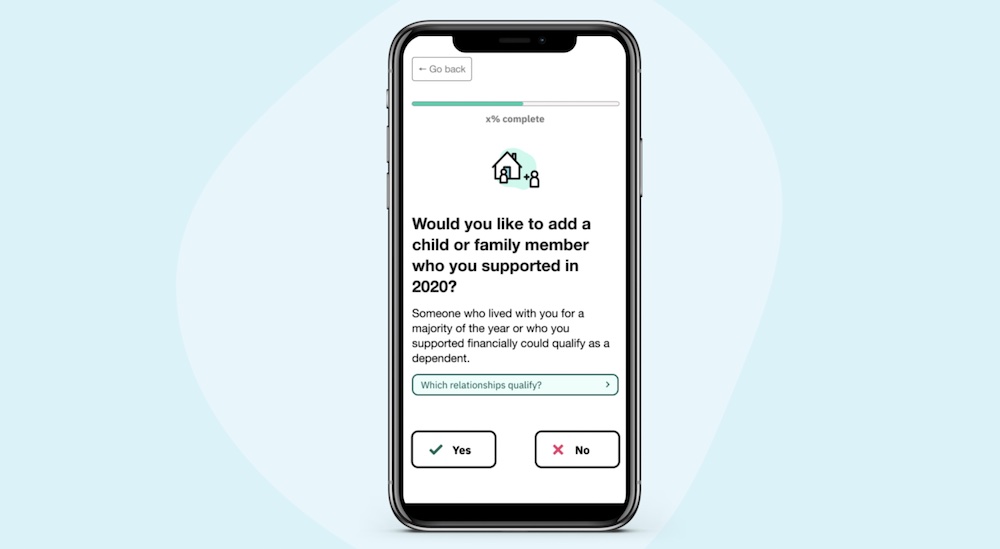
Code for America’s simplified tax filing tool that allows users to claim their Child Tax Credit and any missing amount of their third stimulus payment.
With the extension and expansion of P-EBT during COVID and the Food and Nutrition Service releasing new guidance, states have an opportunity to effectively deliver essential resources to children and families. Code for America built this toolkit of resources to share recommendations and promising practices around the implementation of P-EBT and to support state agencies and partners tasked with the development of P-EBT programs.
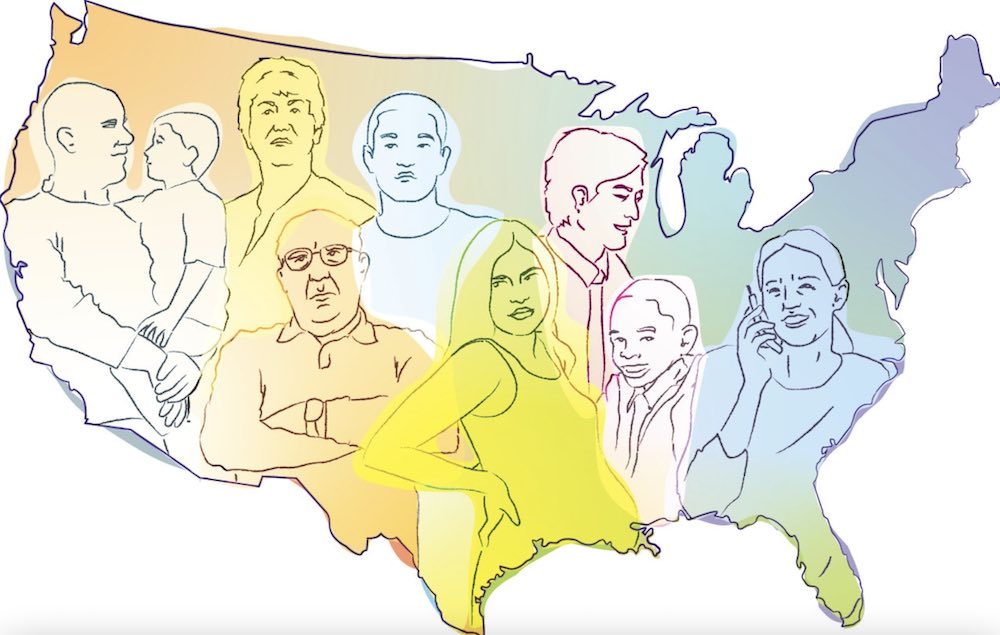
This article discusses Code for America’s research into the user experience of applying or Medicaid, SNAP, TANF, WIC, and LIHEAP in the United States. They found that user experience applying for benefits programs varies greatly by (and often within) each state.
Code for America’s Integrated Benefits Initiative has been working in partnership with the State of Colorado to demonstrate how user-centered approaches lead to measurably better delivery of safety net programs. This article describes their work with the state of Colorado in simplifying how clients report common life changes that can affect their eligibility.
This mainstage session from FormFest 2024 included conversations about form design, accessibility, user experience, and data collection to show how good forms can build trust and confidence in government.
This session from FormFest 2024 focused on improving service delivery by hearing about work in multiple cities to rapidly digitize service delivery and work by the Department of Veteran Affairs around implementing service design principles in form revisions.
This Code for America article discusses how tax filing can be a powerful tool for economic justice, highlighting efforts to make the tax system more accessible and equitable for low-income individuals.
Code for America's GetCTC portal simplifies access to the Child Tax Credit for low-income families by providing a mobile-friendly, bilingual platform for streamlined tax filing.