A FormFest profile highlighting how New York State’s design and technology teams are reimagining form creation through collaborative, human-centered design methods that simplify processes and expand participation.
DGN Spotlights highlight innovative digital initiatives transforming how government connects with the public. This story explores Seattle’s Youth Connector—a youth-informed digital platform and outreach strategy that aims to make youth programs easier to find, access, and trust.
DGN Spotlights are short-form project profiles that feature exciting work happening across our network of digital government practitioners. Spotlights celebrate our members’ stories, lift up actionable takeaways for other practitioners, and put the resources + examples we host in the Digital Government Hub in context.
A tool for CDOs advocating for funding, authority, and expansion—and a primer for government leaders unfamiliar with the role. The report establishes shared vocabulary, identifies six CDO office archetypes, and offers cross-state insights on structures, priorities, and challenges.
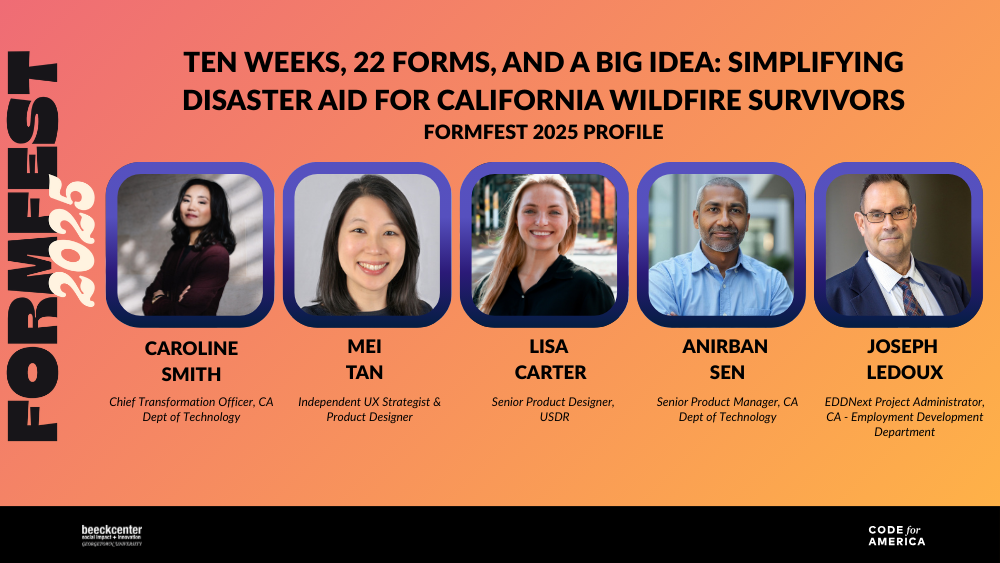
This FormFest profile describes how California rapidly simplified disaster-aid processes for wildfire survivors by auditing 22 forms across eight agencies and developing a concept for a universal eligibility form and relief portal.
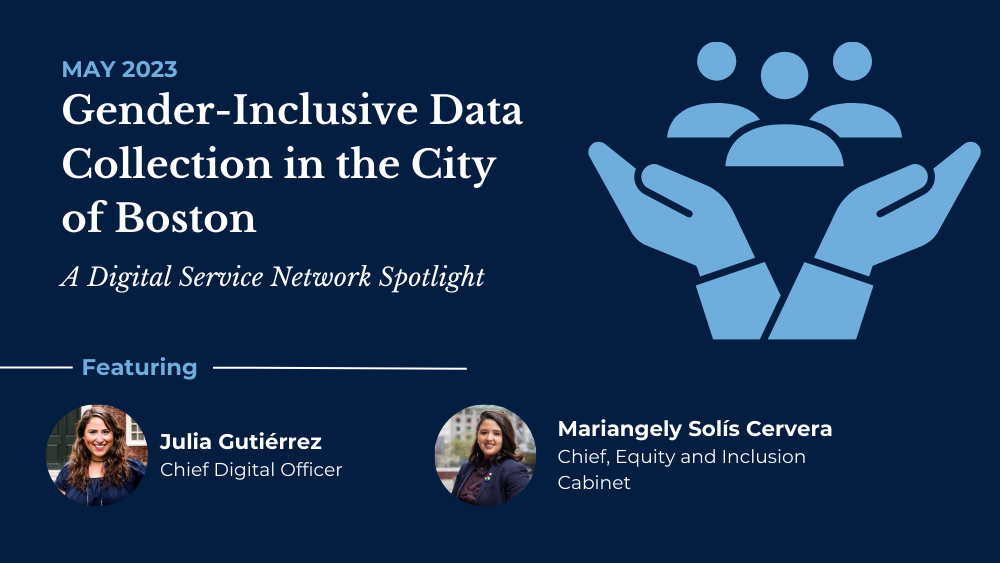
The Digital Service Network (DSN) spoke with Chief Digital Officer (CDO) Julia Gutiérrez of the Digital Services (DS) Team in the Department of Innovation and Technology (DoIT) and Chief Mariangely Solís Cervera of Boston’s Equity and Inclusion Cabinet.
An April 2024 Chief Digital Service Officers (CDSO) gathering included discussions about the realities of digital service leadership in government. These discussions are summarized in infographics offering valuable perspective to emerging digital service teams.
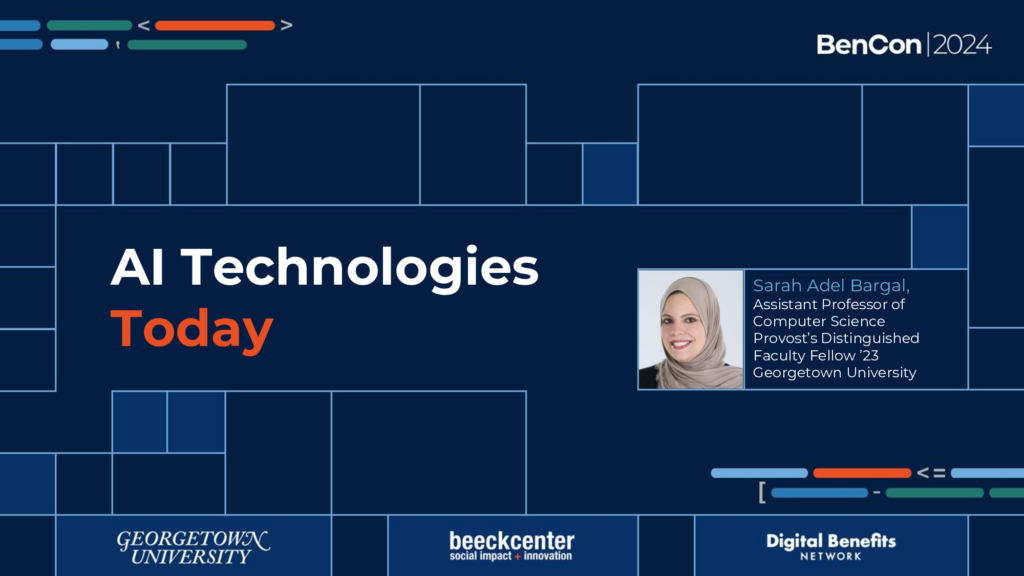
Sarah Bargal provides an overview of AI, machine learning, and deep learning, illustrating their potential for both positive and negative applications, including authentication, adversarial attacks, deepfakes, generative models, personalization, and ethical concerns.
NYC's My File NYC and New Jersey's unemployment insurance system improvements demonstrate how successful digital innovations can be scaled across various programs, leveraging trust-building, open-source technology, and strategic partnerships.
Michigan's UIA director, Julia Dale, is leading the agency through transition by prioritizing lived experience, hope, grit, and values. Virginia's SNAP Program Manager, Michele Thomas, highlighted the success of Sun Bucks, a summer EBT child nutrition program that fed over 700,000 kids in its first year.
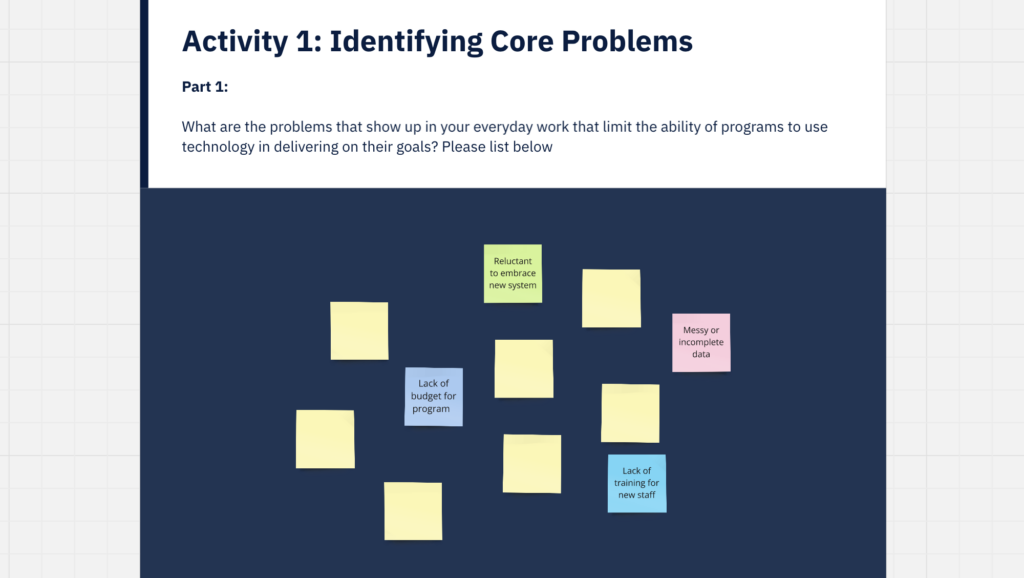
This workshop guide offers teams an opportunity to jointly work toward understanding core problems impacting digital delivery in their organization. The guide is structured in two parts: (1) a Miro template and (2) a Facilitation Guide.