The team conducted experiments to determine whether clients would be responsive to proactive support offered by a chatbot, and identify the ideal timing of the intervention.
The team developed an AI solution to assist benefit navigators with in-the-moment program information, finding that while LLMs are useful for summarizing and interpreting text, they are not ideal for implementing strict formulas like benefit calculations, but can accelerate the eligibility process by leveraging their strengths in general tasks.
The team developed an application to simplify Medicaid and CHIP applications through LLM APIs while addressing limitations such as hallucinations and outdated information by implementing a selective input process for clean and current data.
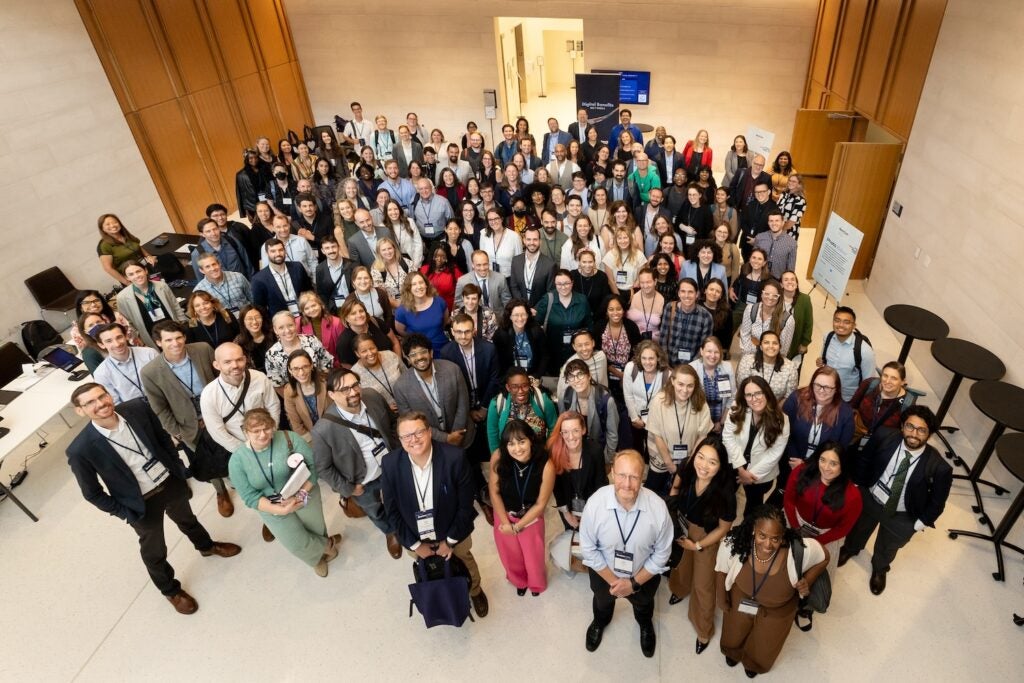
A recap of the two-day conference focused on charting the course to excellence in digital benefits delivery hosted at Georgetown University and online.
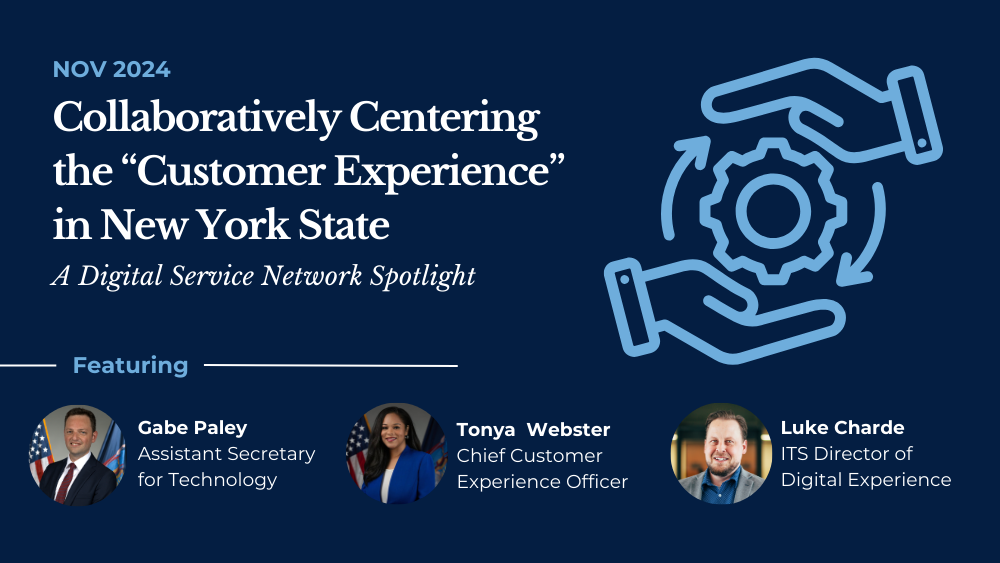
The Digital Service Network (DSN) spoke with three staff members from the New York State Executive Chamber—Gabe Paley, Tonya Webster, and, Luke Charde to learn more about the state's efforts to improve residents’ experiences accessing government programs.
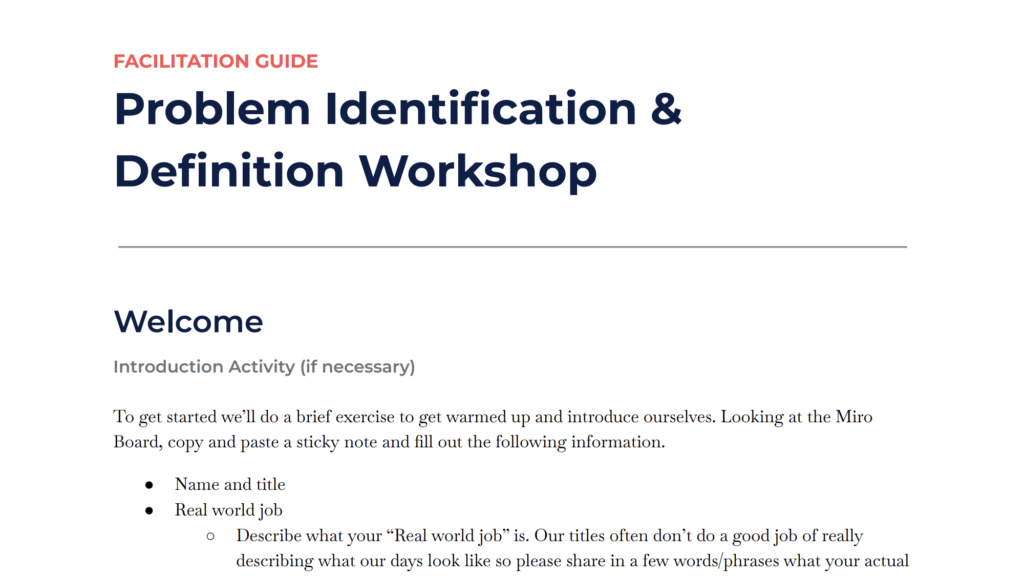
This workshop guide offers teams an opportunity to jointly work toward understanding core problems impacting digital delivery in their organization. The guide is structured in two parts: (1) a Miro template and (2) a Facilitation Guide.
This session from FormFest 2024 focused on human centered form improvements from the City of Reykjavik and the German Digital Service’s form simplification project.
This session from FormFest 2024 focused on improving service delivery by hearing about work in multiple cities to rapidly digitize service delivery and work by the Department of Veteran Affairs around implementing service design principles in form revisions.
This video documents the Digital Benefits Network's Digital Identity Community of Practice launch, covering mission review, 2025 goals, California authentication innovations, and peer networking for equitable and effective digital identity in public benefits.