This session from FormFest 2024 focused on human centered form improvements from the City of Reykjavik and the German Digital Service’s form simplification project.
This session from FormFest 2024 focused on improving service delivery by hearing about work in multiple cities to rapidly digitize service delivery and work by the Department of Veteran Affairs around implementing service design principles in form revisions.
This video documents the Digital Benefits Network's Digital Identity Community of Practice launch, covering mission review, 2025 goals, California authentication innovations, and peer networking for equitable and effective digital identity in public benefits.
This article examines how the City of Long Beach, California, collaborated with TOPC to develop a digital tool aimed at enhancing community engagement and expanding urban tree canopy coverage.
The Digital Identity Community of Practice kick-off event featured key resources, a new research publication on account creation and identity proofing, and insights from multiple speakers.
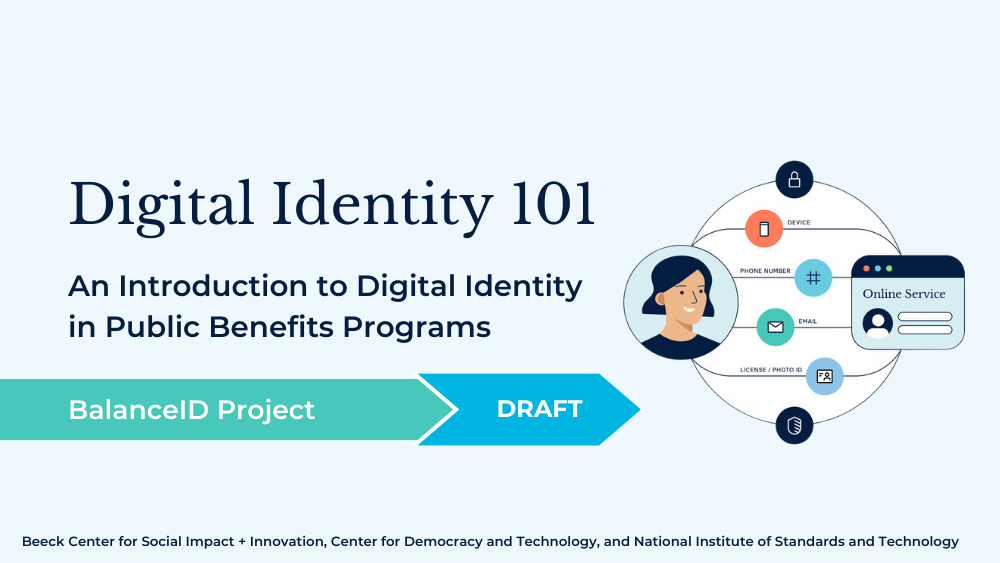
This introductory guide explains the core concepts of digital identity and how they apply to public benefits programs. This guide is the first part of a suite of voluntary resources from the BalanceID Project: Enabling Secure Access and Managing Risk in SNAP and Medicaid.
A comprehensive analysis of how government digital service teams document and communicate their impact across federal, state, and local levels. This report aims to identify key reporting trends and practices to help teams develop impact narratives that demonstrate their value to stakeholders.
This publication from the Digital Service Network (DSN) explores how state and local leaders are tackling the challenge of finding, keeping, and growing digital service talent in government. Through real-world stories and actionable strategies, it highlights how teams are making the case for digital roles, improving hiring practices, and upskilling staff to build a strong, sustainable digital workforce.
Led by the Digital Benefits Network in partnership with Public Policy Lab, the Digital Doorways research project amplifies the lived experiences of beneficiaries to provides new insights into people’s experiences with digital identity processes and technology in public benefits. This executive summary gives an overview of the project’s findings.