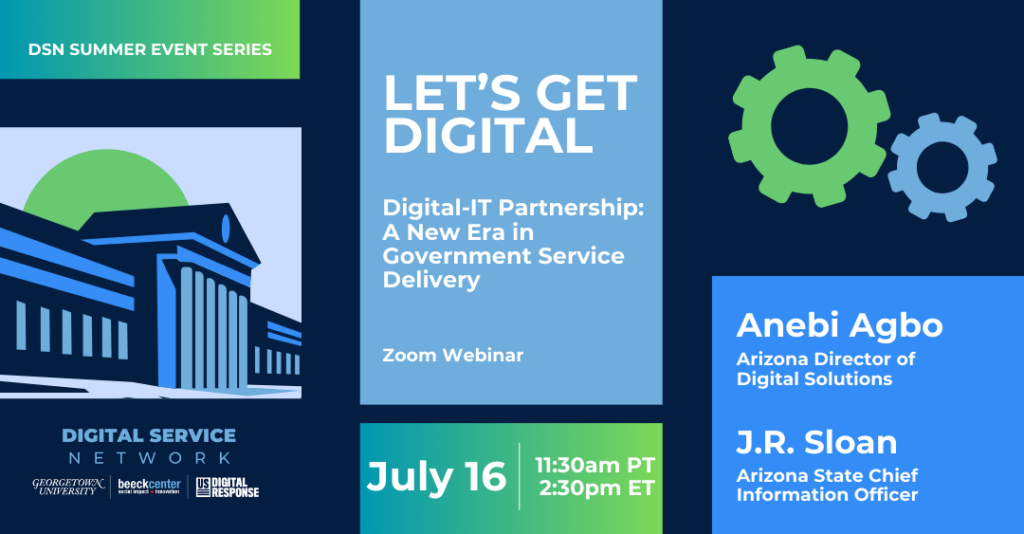
To kick off the Digital Service Network’s (DSN) summer event series, Let’s Get Digital, the DSN heard from the State of Arizona on their efforts to transform government services through a strong collaboration between information technology (IT) and digital service functions.
The Long Beach Tree Map shows trees throughout the Long Beach region which centralizes, organizes, and visualizes information regarding where and how many trees as well as their type.
This resource contains specific examples that highlight the advantages of designing reusable code components, software tools, or design formats. This guide also illustrates the possibilities for connecting new components to existing system infrastructure.
Digitizing public benefits policy will make the biggest impact for administrators and Americans, but only if it happens at the highest level of government.
This page includes data and observations about authentication and identity proofing steps specifically for online applications that include child care applications.
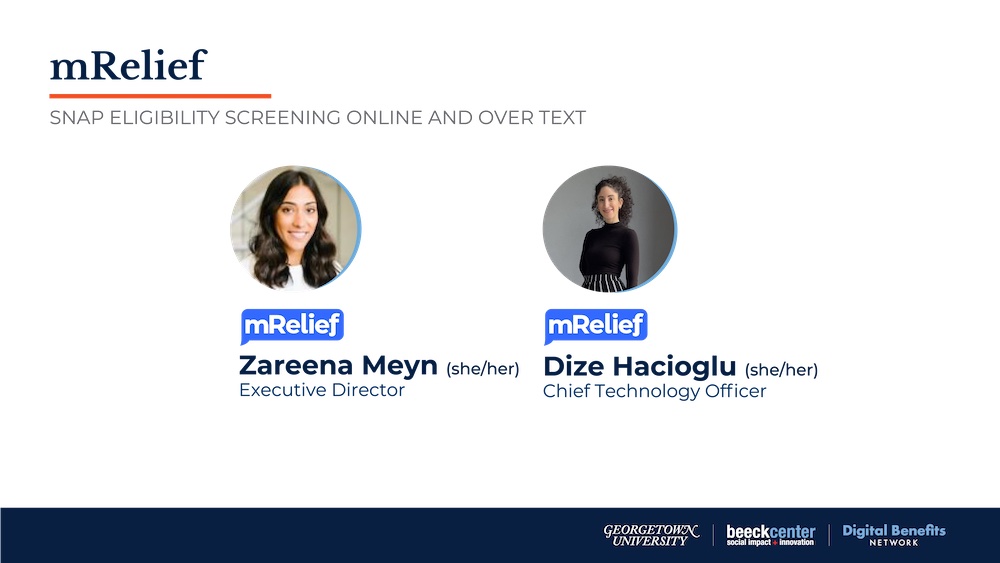
At Rules as Code Demo Day Executive Director Zareena Mayn and Chief Technology Officer Dize Hacioglu of mRelief demoed the code for their Supplemental Nutrition Assistance Program (SNAP) eligibility screener. mRelief is a women-led team that provides a web-based and text message-based SNAP eligibility screener to all 53 states and territories that participate in SNAP. They demonstrated how they have modularized their code to host federal program rules and state-specific rules.
The Digital Service Network (DSN) recently sat down with the Maryland Family and Medical Leave Insurance (FAMLI) team to learn more about an exciting role they’re hiring for.