The New York Experience – or “NYX” – aims to transform the customer experience across New York State agencies making our government work better for our people.
This policy supports the appropriate development, deployment, and use of generative artificial intelligence (GenAI) systems, products, services, tools, and content within consolidated state agencies in Colorado.
Colorado Governor's Office of Information Technology (OIT)
The report examines how states are using Medicaid Section 1115 demonstration projects to address health-related social needs, such as housing and nutrition, for pregnant and postpartum individuals and young children to improve health outcomes and reduce disparities.
This mainstage session from FormFest 2024 included conversations about form design, accessibility, user experience, and data collection to show how good forms can build trust and confidence in government.
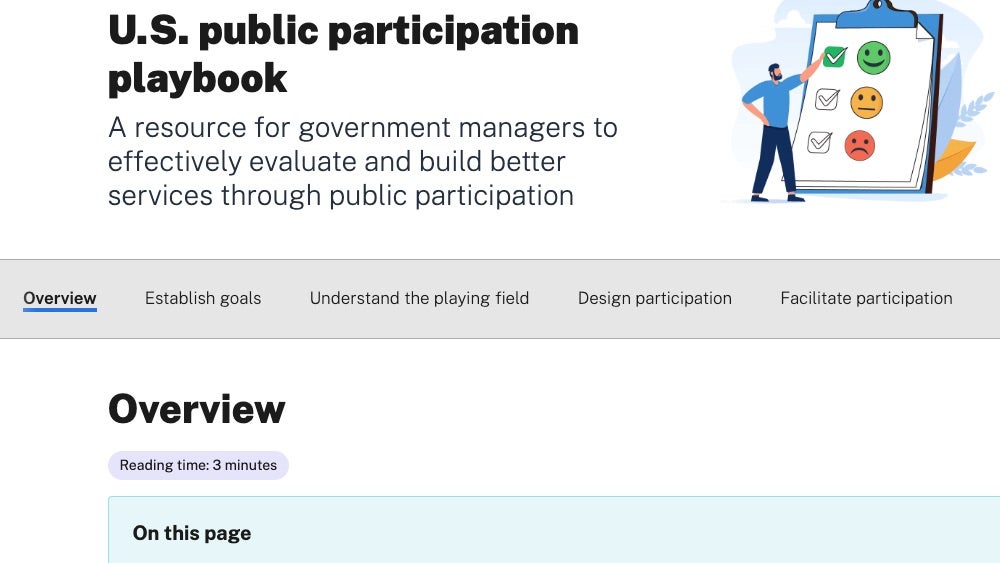
The Federal Government made it easier for the public to share their knowledge, needs, and lived experiences to improve how government works for them and with them.
The document outlines revisions to OMB's SPD No. 15, which updates the standards for collecting and presenting federal race and ethnicity data, including the integration of race and ethnicity questions, the addition of a MENA category, and requirements for more detailed data collection.
The article highlights the growing issue of SNAP benefit theft through skimming and advocates for permanent security measures and benefit replacements to protect vulnerable households.
This paper outlines the need for comprehensive reforms to improve the U.S. government's capacity to effectively implement policies, focusing on reducing bureaucratic inefficiencies, enhancing workforce structures, and leveraging digital infrastructure.