An event recap from one of FormFest 2024's opening main stage featuring speakers from the Commonwealth of Pennsylvania, State of Maryland, Beeck Center for Social Impact + Innovation, and Code for America.
The Federal Government made it easier for the public to share their knowledge, needs, and lived experiences to improve how government works for them and with them.
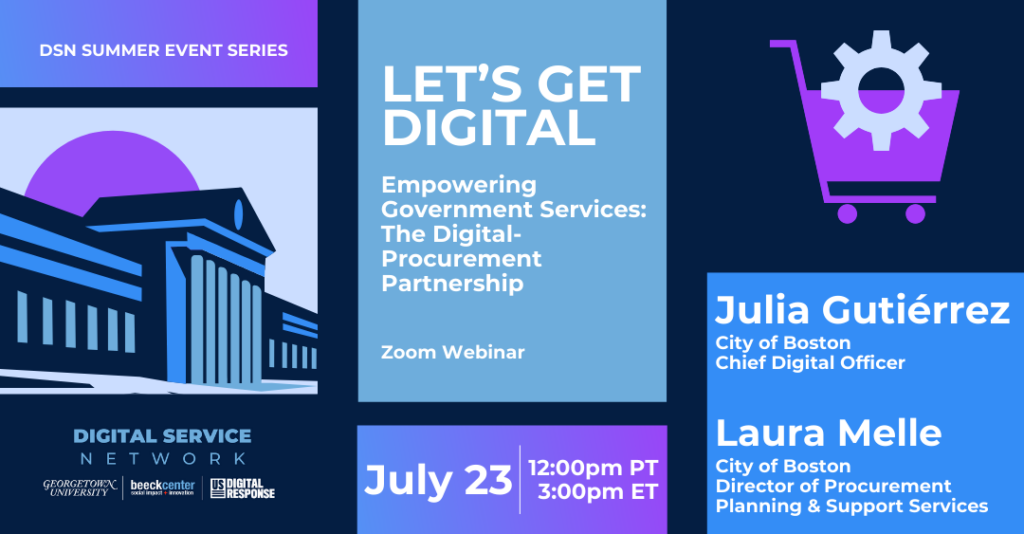
The second event in the Digital Service Network’s summer event series, Let’s Get Digital, focused on the City of Boston’s transformative journey to streamline its procurement processes.
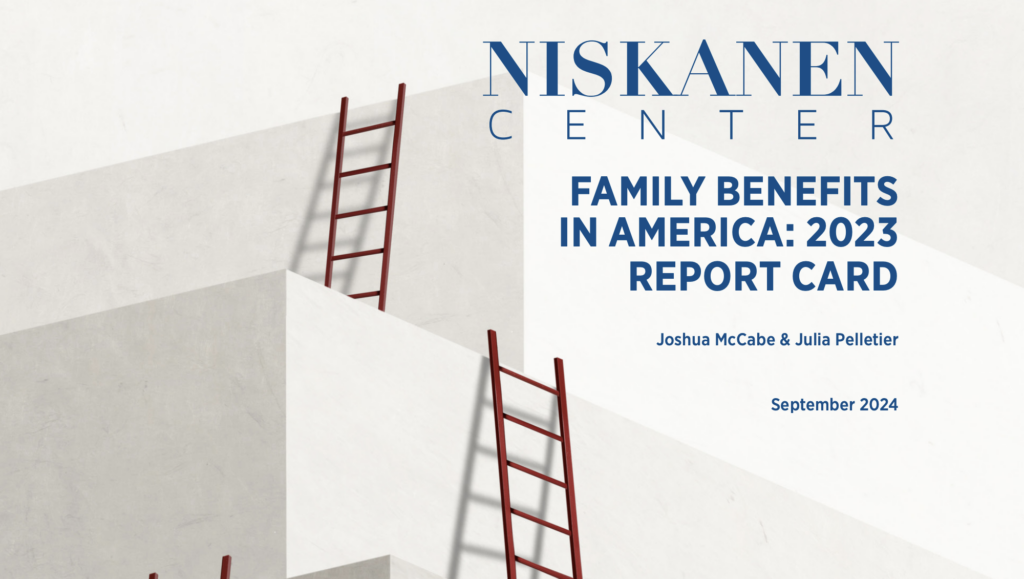
This report calculates the cumulative impact of major benefit programs on two types of families and how their benefits change as they move into the labor market and climb the ladder of upward mobility.
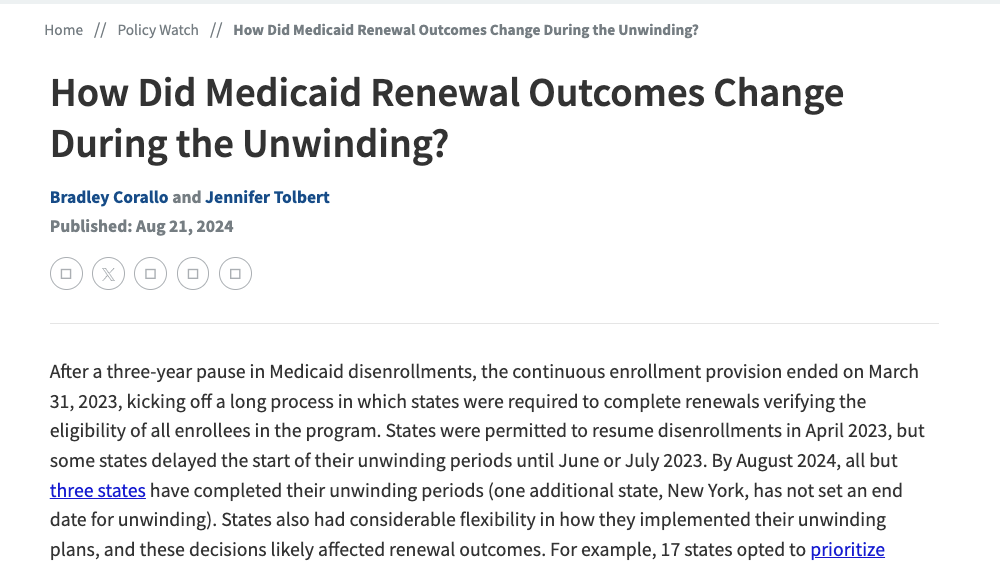
Post-Medicaid continuous enrollment's end in March 2023, states faced renewal challenges through August 2024, seeing improved auto-renewals but persistent procedural disenrollments despite outreach and intervention.
Delve into our exploration of the executive orders, legislation, and administrative rules and guidance that shape government digital transformation across states and territories with our database and visualization tools.
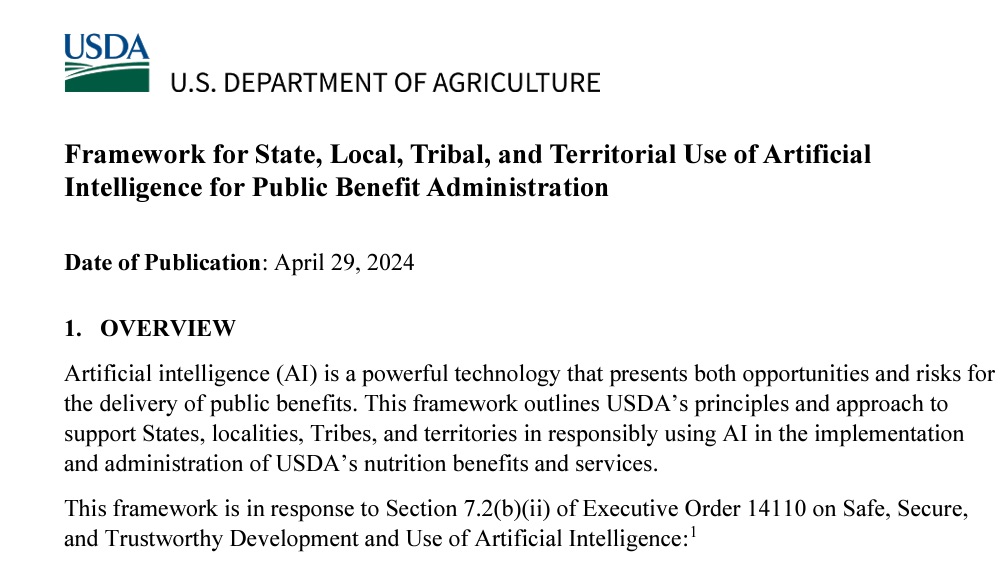
This framework outlines USDA’s principles and approach to support States, localities, Tribes, and territories in responsibly using AI in the implementation and administration of USDA’s nutrition benefits and services. This framework is in response to Section 7.2(b)(ii) of Executive Order 14110 on Safe, Secure, and Trustworthy Development and Use of Artificial Intelligence.