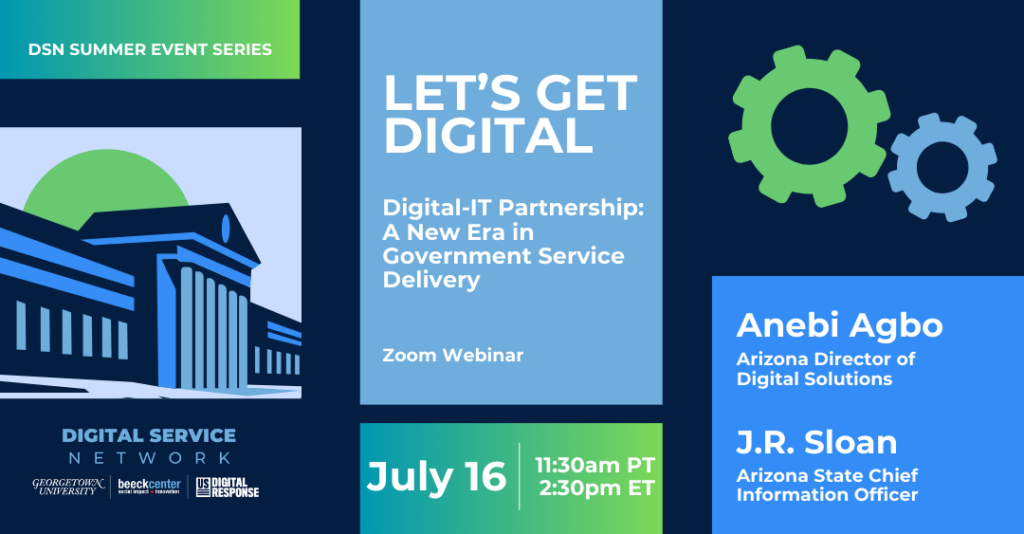
To kick off the Digital Service Network’s (DSN) summer event series, Let’s Get Digital, the DSN heard from the State of Arizona on their efforts to transform government services through a strong collaboration between information technology (IT) and digital service functions.
This study explores the causal impacts of income on a rich array of employment outcomes, leveraging an experiment in which 1,000 low-income individuals were randomized into receiving $1,000 per month unconditionally for three years, with a control group of 2,000 participants receiving $50/month.
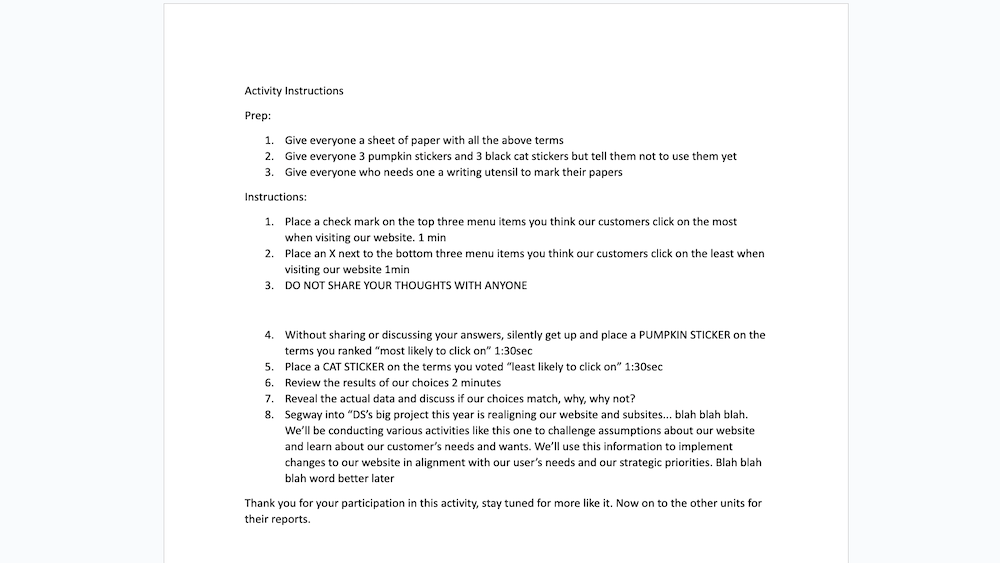
This exercise engages participants in selecting the most and least clicked website menu items by marking their choices with stickers, followed by a group review to compare assumptions with actual data.
Montgomery County Public Library (MCPL) Digital Strategies Team
The Digital Services Network (DSN) spoke with the director of the C+E Lab, Katie Fiore, and OOI chief of staff, Kai Feder, to learn more about the C+E Lab and its ongoing role in shifting the State’s approach to using marketing to better connect residents to programs and services.
The Digital Service Network (DSN) spoke with Ashley O’Brien, user experience designer for the City of Saint Paul, MN, about the flexible and resourceful approach she took to reach people across the city.
CMS has identified a number of immediate and longer-term strategies that states can implement to improve application processing timeframes and address application backlogs.
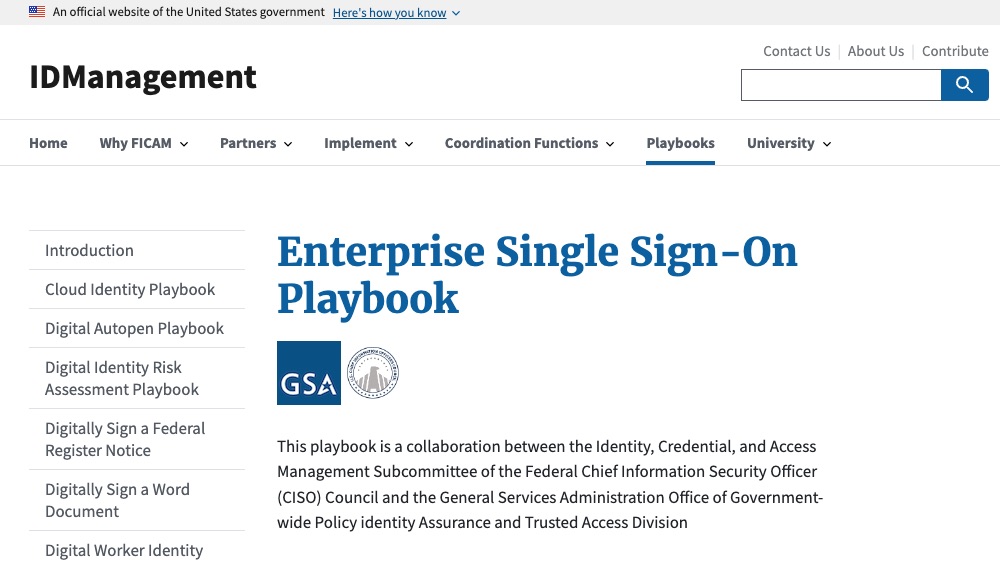
The Enterprise Single Sign-On (SSO) Playbook is a practical guide to help federal agencies implement or modernize an SSO service for federal employee access to government applications.
The Summer EBT Playbook offers states practical strategies, tools, and examples to effectively implement the new Summer EBT program, ensuring low-income children receive food benefits when school is out.
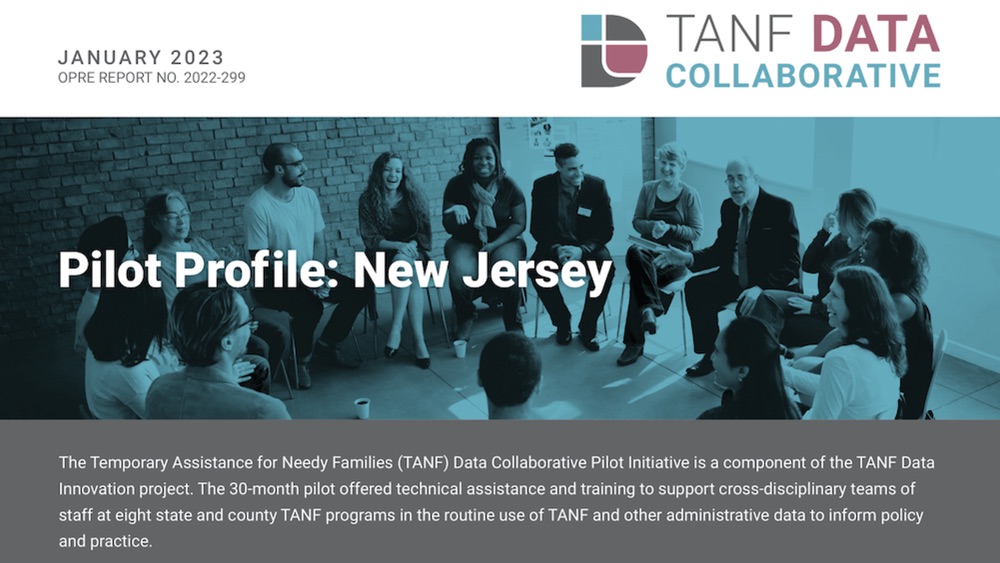
The Temporary Assistance for Needy Families (TANF) Data Collaborative Pilot Initiative is a component of the TANF Data Innovation project. The 30-month pilot offered technical assistance and training to support cross-disciplinary teams of staff at eight state and county TANF programs in the routine use of TANF and other administrative data to inform policy and practice.