The Community-Driven Policies and Practices project engaged people experiencing poverty in power-building sessions to develop advocacy plans for economic justice. This report offers recommendations for nonprofits to engage people with lived experience of poverty in advocacy.
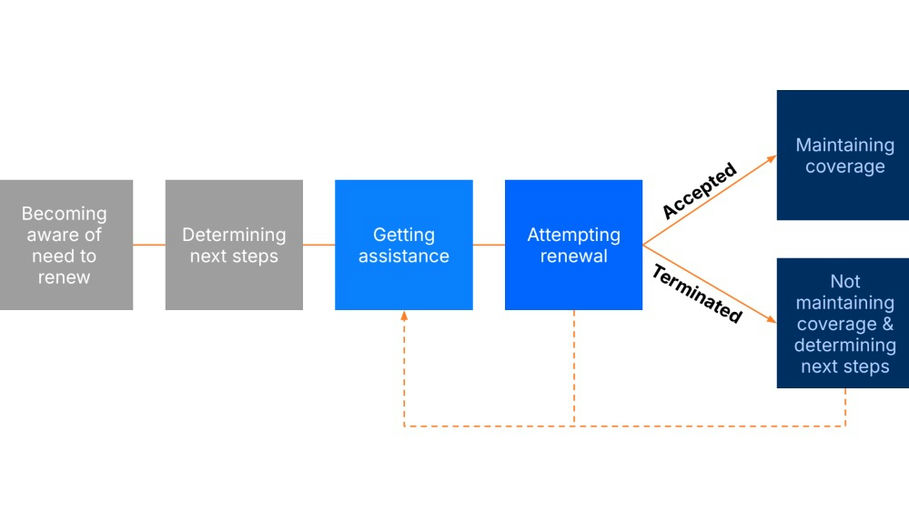
Based on user interviews with families across the United States who navigated the Medicaid renewal process, this report offers insights and recommendations for improving the experience of renewing Medicaid and other benefits.
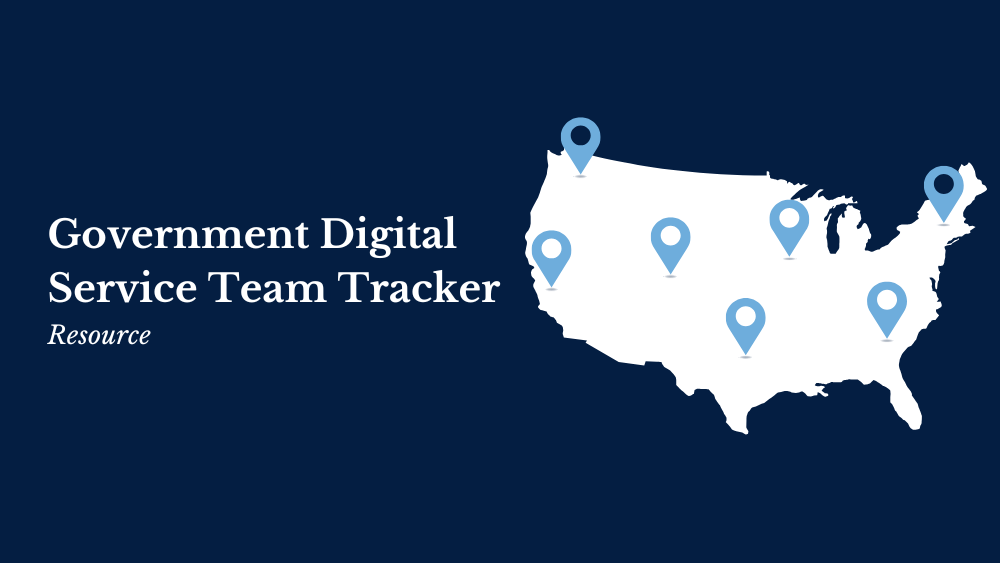
The Beeck Center for Social Impact + Innovation's Digital Service Network (DSN) maintains a Government Digital Service Team Tracker: a living database for those seeking to learn more about the locations, structures, mandates, and more of government digital service teams across the United States.
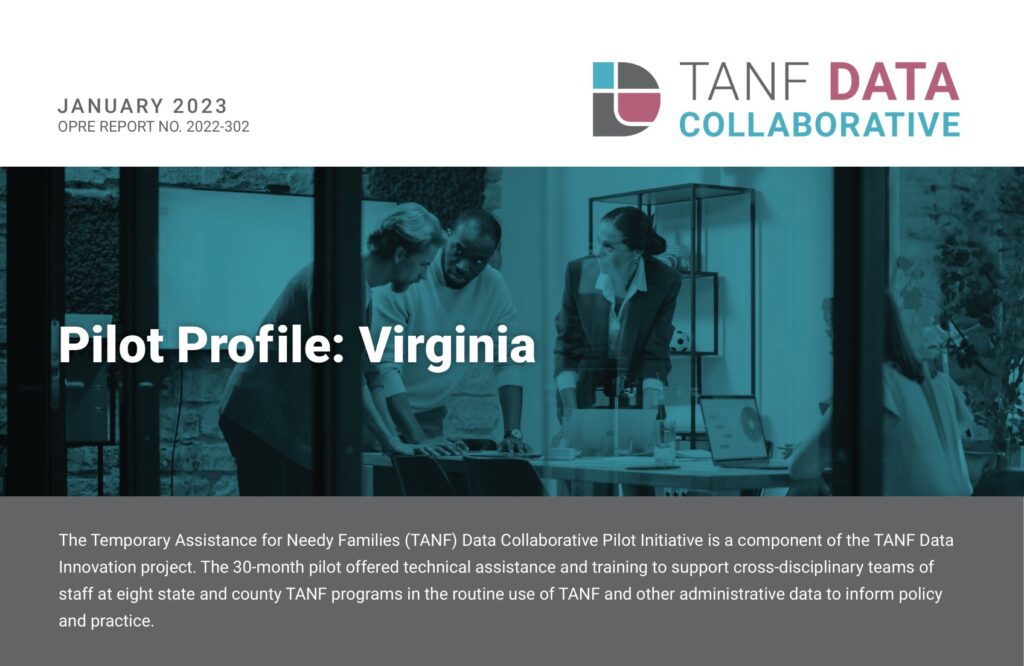
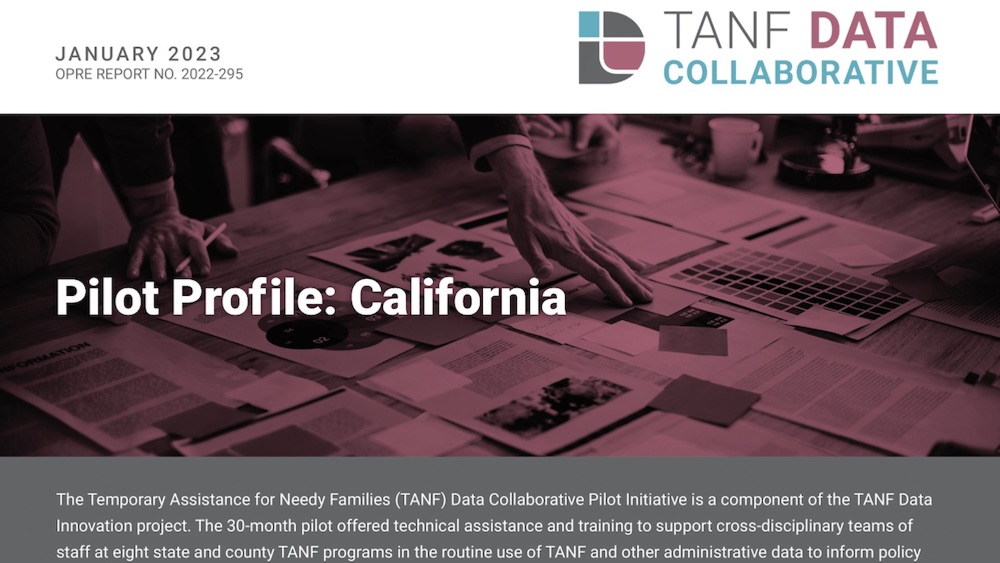
The Temporary Assistance for Needy Families (TANF) Data Collaborative Pilot Initiative is a component of the TANF Data Innovation project. The 30-month pilot offered technical assistance and training to support cross-disciplinary teams of staff at eight state and county TANF programs in the routine use of TANF and other administrative data to inform policy and practice.
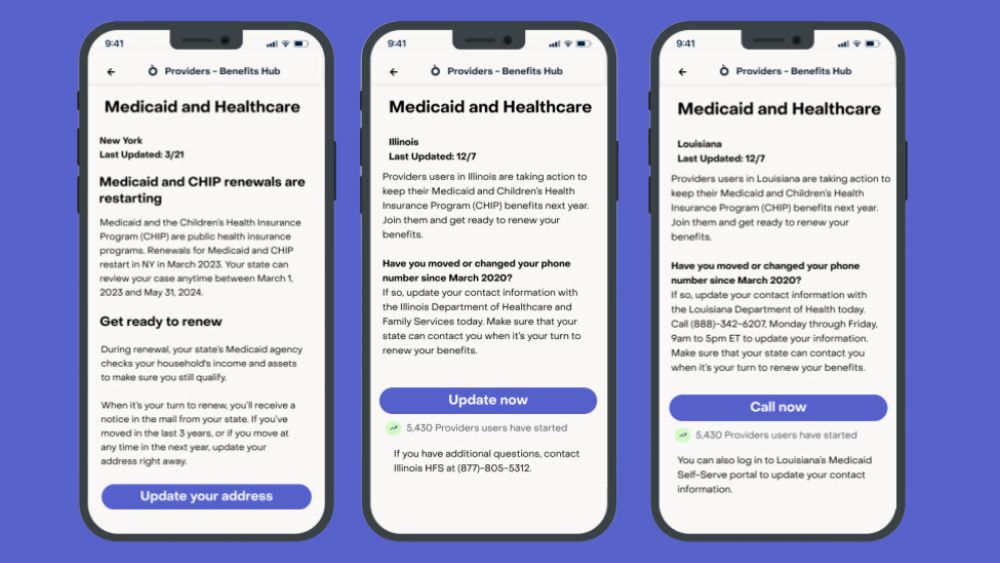
Propel describes how its mobile app outreach campaign helped millions of Medicaid enrollees navigate renewal during the post-pandemic “unwinding” by driving action through notifications, messaging, and in-app tools.
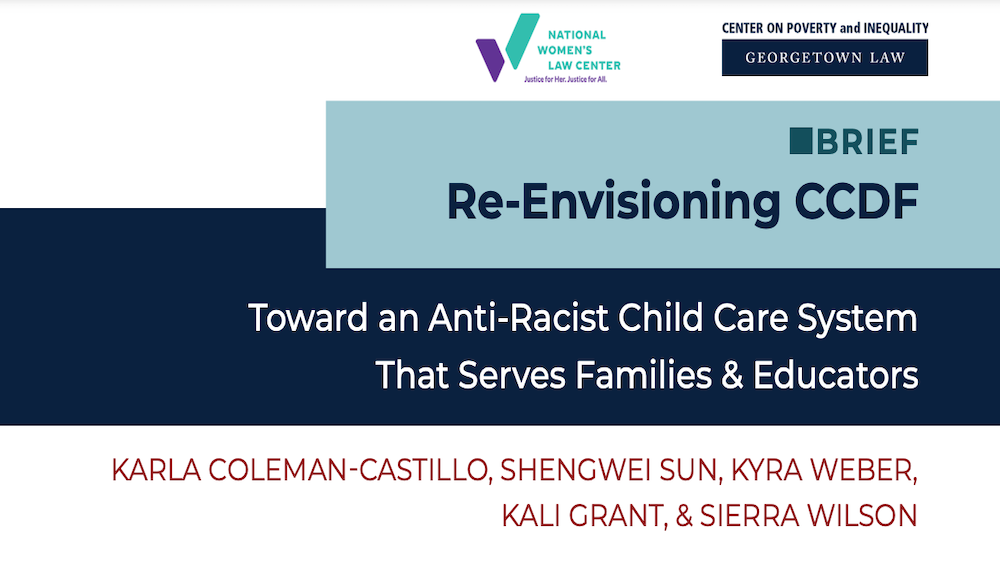
This brief offers a new, anti-racist vision for transforming the Child Care and Development Fund (CCDF) into a program that actively pushes back against structural racism and advances racial equity and economic prosperity for all families.
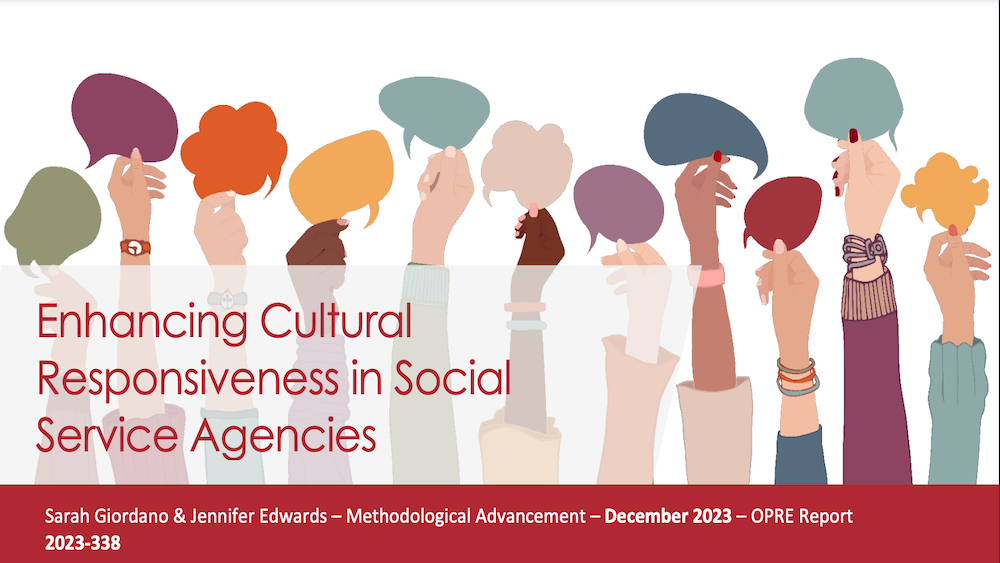
This OPRE brief provides strategies for enhancing cultural responsiveness in social service agencies, focusing on improving services for diverse communities through organizational change, staff development, and culturally informed program design.
U.S. Department of Health and Human Services (HHS)
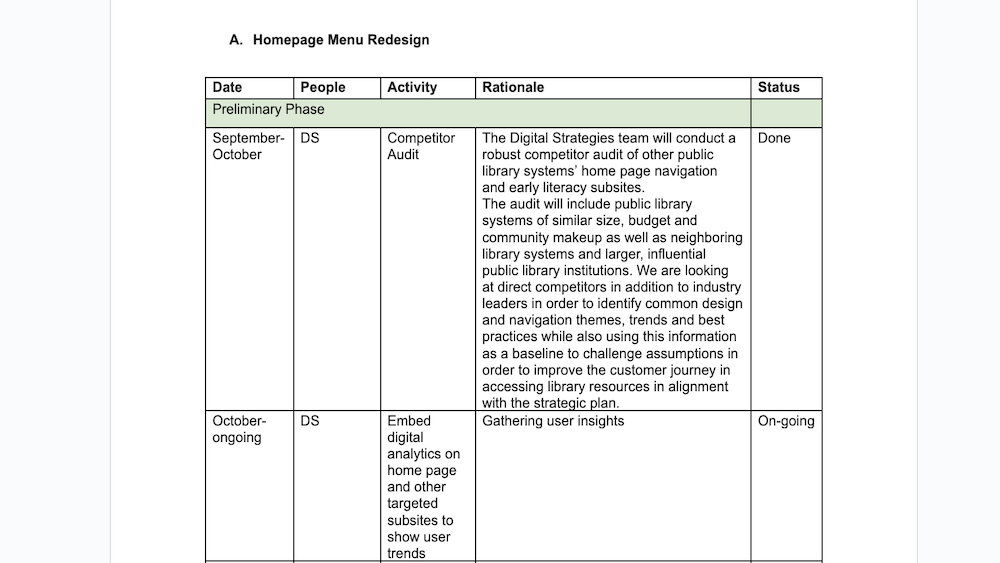
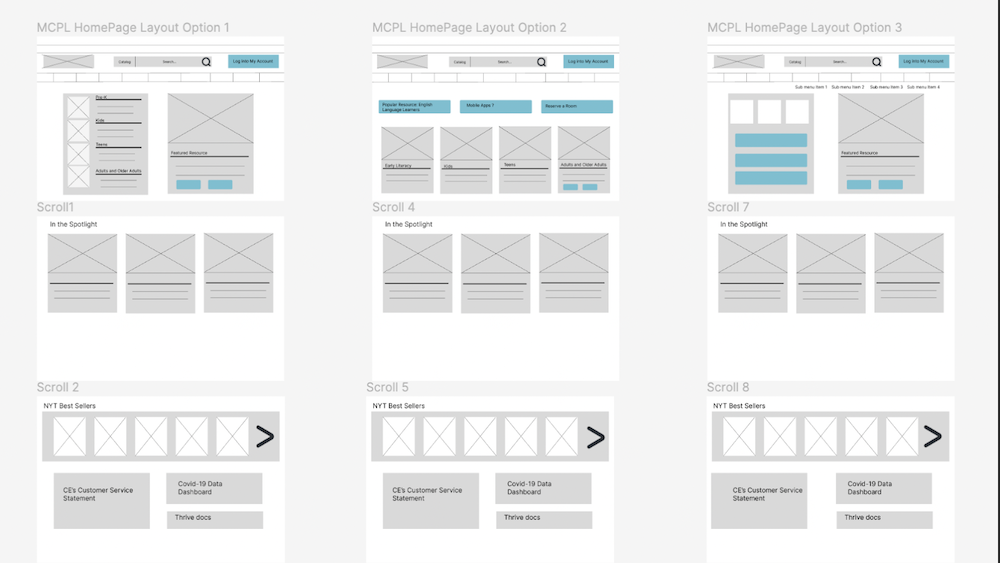
The Montgomery County Public Libraries (MCPL) website redesign plan outlines how to improve user access to resources through inclusive design and better navigation. It also shares goals of best practices in UX design with the public library community to promote digital equity. The project involves collaboration with the MCPL Digital Strategies Team and other partners, focusing on redesigning content for early literacy, teens, and children.
The folder for the Montgomery County Library Website Redesign contains draft materials, including design specifications of the current menu, an audit of menu items, and wireframes for the new homepage layout, providing a foundation for the site's improved structure and navigation.
This report shines a light on all the efforts that keep Open Data running, raises awareness about the latest information available from the City, and provides a glimpse into the upcoming changes and additions to our platform.