This policy supports the appropriate development, deployment, and use of generative artificial intelligence (GenAI) systems, products, services, tools, and content within consolidated state agencies in Colorado.
Colorado Governor's Office of Information Technology (OIT)
This report outlines the team's achievements in enhancing state digital services through human-centered design, agile development, and cross-agency collaboration from its inception through 2024.
Colorado Governor's Office of Information Technology (OIT)
This report calculates the cumulative impact of major benefit programs on two types of families and how their benefits change as they move into the labor market and climb the ladder of upward mobility.
This report describes C-Stat 2.0, an updated version of the the Colorado Department of Human Services’ performance-based analysis strategy that allows them to better focus on and improve performance outcomes that enhance people’s lives.
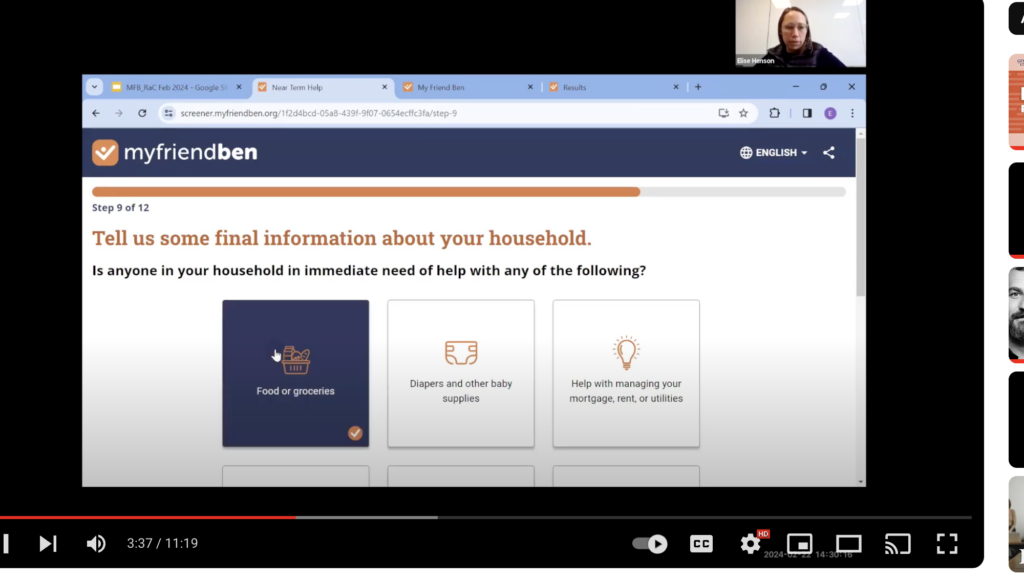
Applicants to federal aid programs face numerous barriers in accessing benefits they are eligible for. The Centers for Medicaid and Medicare conducted an extensive qualitative user research study to better understand applicant experience in enrolling in public assistance programs. Based on the results, the study emphasizes the need for simplified, streamlined and less burdensome application processes.
In June 2020, the state implemented an innovative and entirely virtual vendor selection process to evaluate these solutions under the direction of the Colorado Digital Service (CDS).
This Guide to Artificial Intelligence provides a strategic framework for the ethical and responsible implementation of GenA technologies in state operations.
Colorado Governor's Office of Information Technology (OIT)
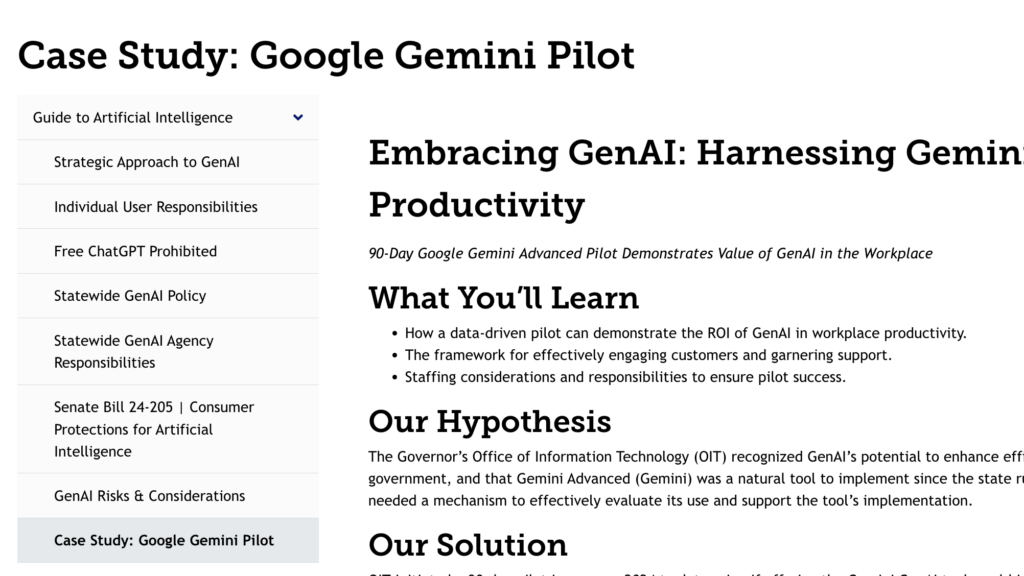
A case study describing how a 90-day generative AI (GenAI) pilot using Google’s Gemini tool was conducted across state agencies to assess productivity, creativity, and responsible use in government work.
Colorado Governor's Office of Information Technology (OIT)
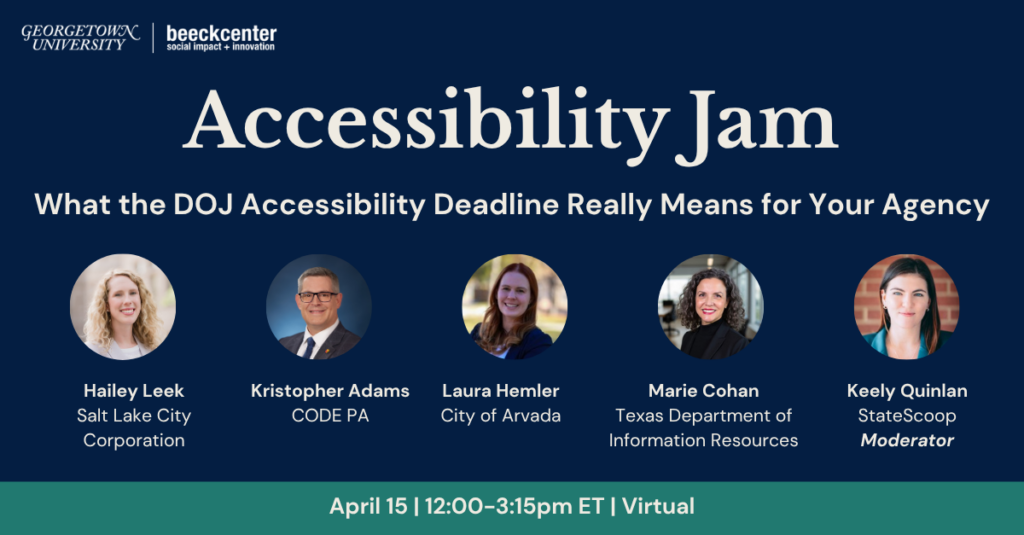
The A11y Jam opening session that introduces the April 2026 DOJ digital accessibility requirements and provides practical, plain-language guidance for government teams preparing for compliance.