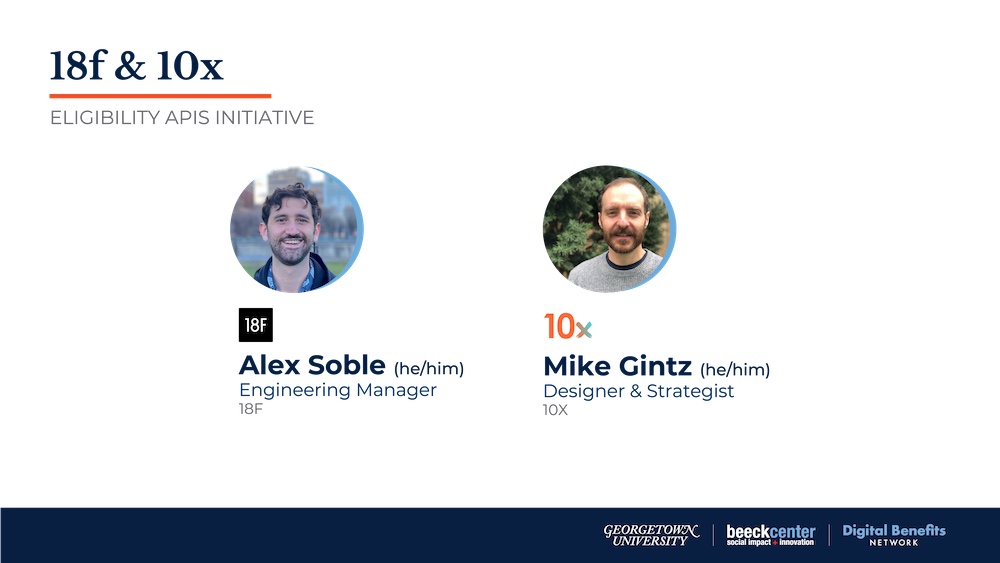
We kicked off Rules as Code Demo Day with Alex Soble of 18F and Mike Gintz of 10x presenting their Eligibility APIs Initiative that explores whether APIs and rules as code might improve the efficiency and effectiveness with which federal public benefits programs communicate their policy to states. They demonstrated their original prototype, and how the open source code has now been extended into several initiatives.
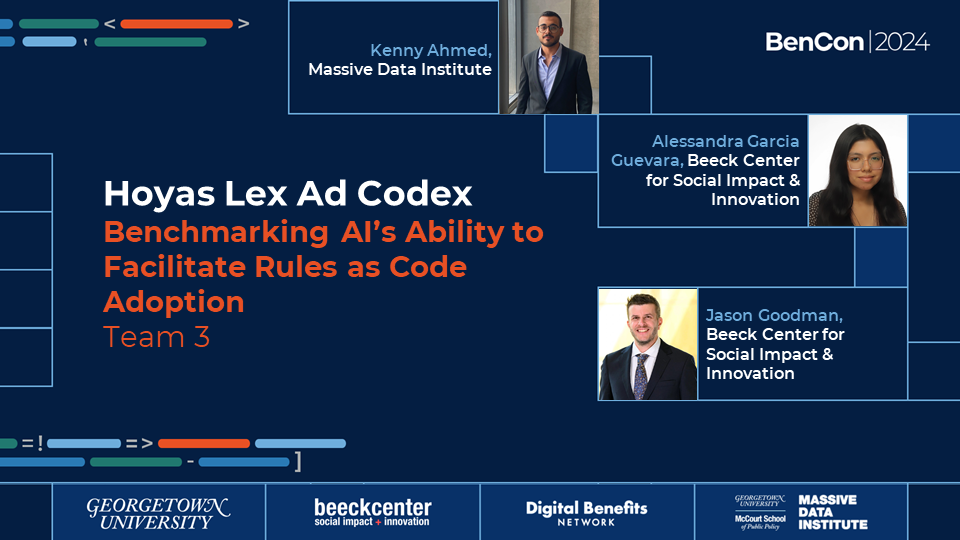
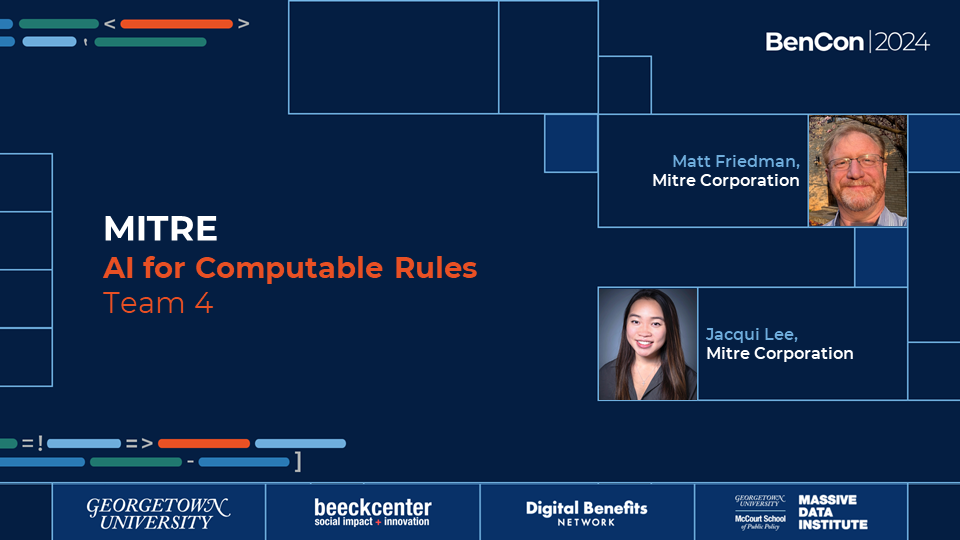
The team explored the performance of various AI chatbots and LLMs in supporting the adoption of Rules as Code for SNAP and Medicaid policies using policy data from Georgia and Oklahoma.
Building on our February 2022 report Benefit Eligibility Rules as Code: Reducing the Gap Between Policy and Service Delivery for the Safety Net, the Beeck Center’s Digital Benefits Network (DBN) hosted Rules as Code Demo Day on June 28, 2022 where there were eight demonstrations of projects and code followed by a collaborative problem solving session on how to continue advancing rules as code for the U.S. social safety net.
The team developed an application to simplify Medicaid and CHIP applications through LLM APIs while addressing limitations such as hallucinations and outdated information by implementing a selective input process for clean and current data.
Building on our February 2022 report Benefit Eligibility Rules as Code: Reducing the Gap Between Policy and Service Delivery for the Safety Net, the Beeck Center’s Digital Benefits Network (DBN) recently held a convening to share progress and potential in digitizing benefits eligibility and to begin addressing how a national approach could be started.
The team introduced an AI assistant for benefits navigators to streamline the process and improve outcomes by quickly assessing client eligibility for benefits programs.
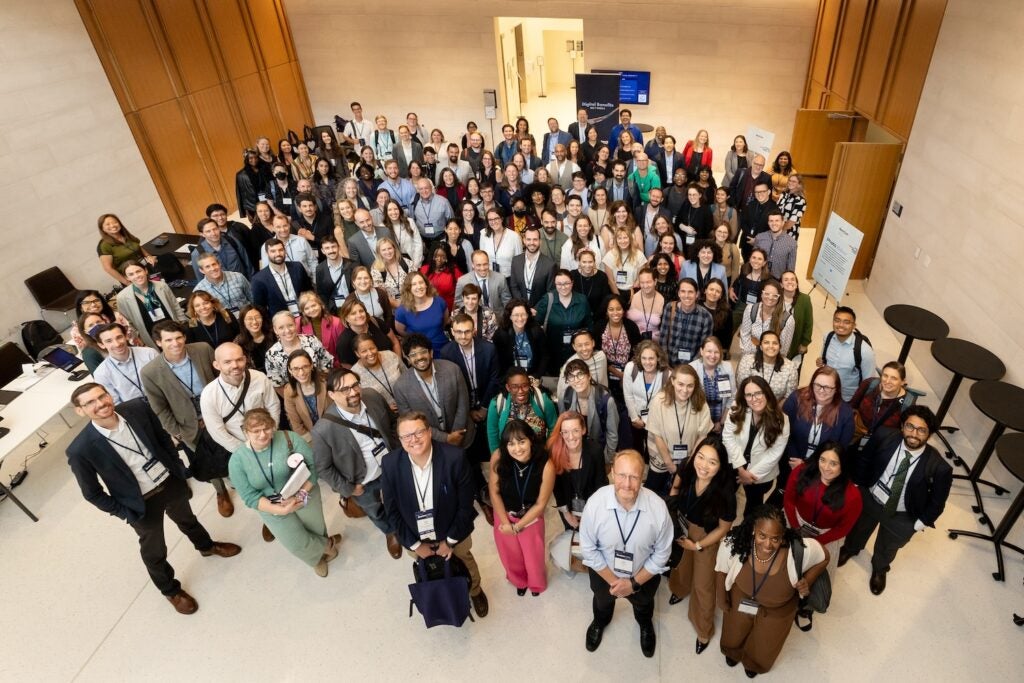
A recap of the two-day conference focused on charting the course to excellence in digital benefits delivery hosted at Georgetown University and online.
The team developed an AI-powered explanation feature that effectively translates complex, multi-program policy calculations into clear and accessible explanations, enabling users to explore "what-if" scenarios and understand key factors influencing benefit amounts and eligibility thresholds.
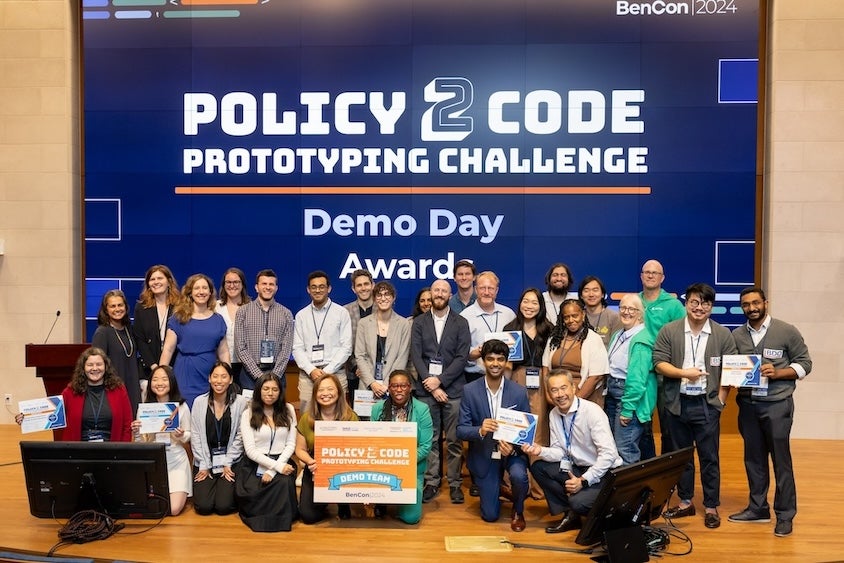
The Policy2Code Prototyping Challenge explored utilizing generative AI technology to translate U.S. government policies for public benefits into plain language and code, culminating in a Demo Day where twelve teams showcased their projects for feedback and evaluation.
The team aimed to automate applying rules efficiently by creating computable policies, recognizing the need for AI tools to convert legacy policy content into automated business rules using Decision Model Notation (DMN) for effective processing and monitoring.
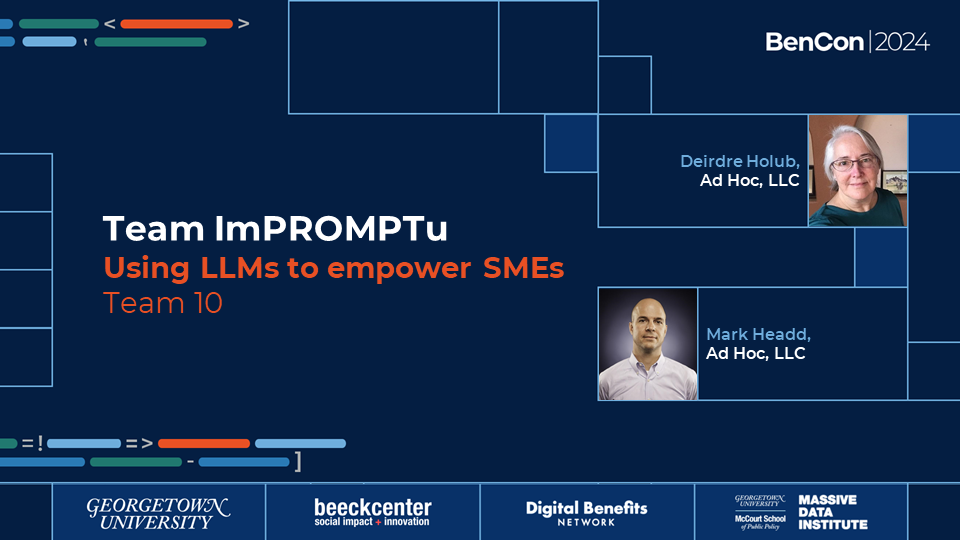
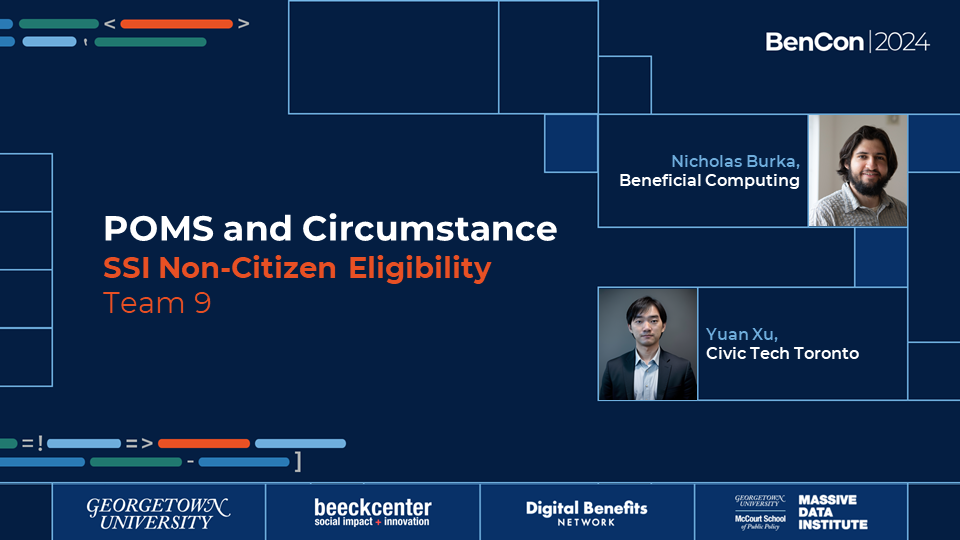
The team explored using LLMs to interpret the Program Operations Manual System (POMS) into plain language logic models and flowcharts as educational resources for SSI and SSDI eligibility, benchmarking LLMs in RAG methods for reliability in answering queries and providing useful instructions to users.