This report explores key questions that a focus on disability raises for the project of understanding the social implications of AI, and for ensuring that AI technologies don’t reproduce and extend histories of marginalization.
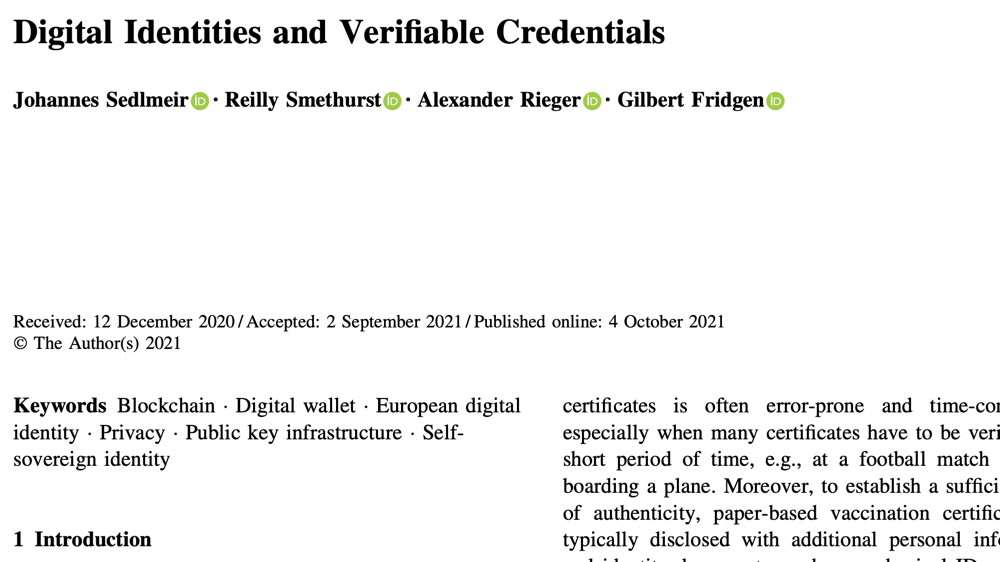
This article discusses the challenges of today’s centralized identity management and investigates current developments regarding verifiable credentials and digital wallets.
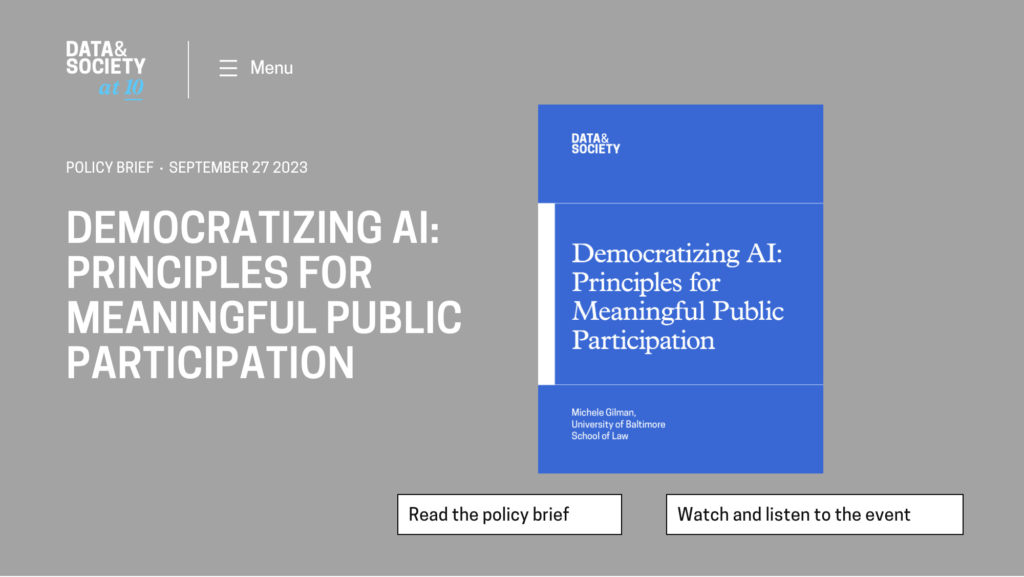
In this policy brief and video, Michele Gilman summarizes evidence-based recommendations for better structuring public participation processes for AI, and underscores the urgency of enacting them.
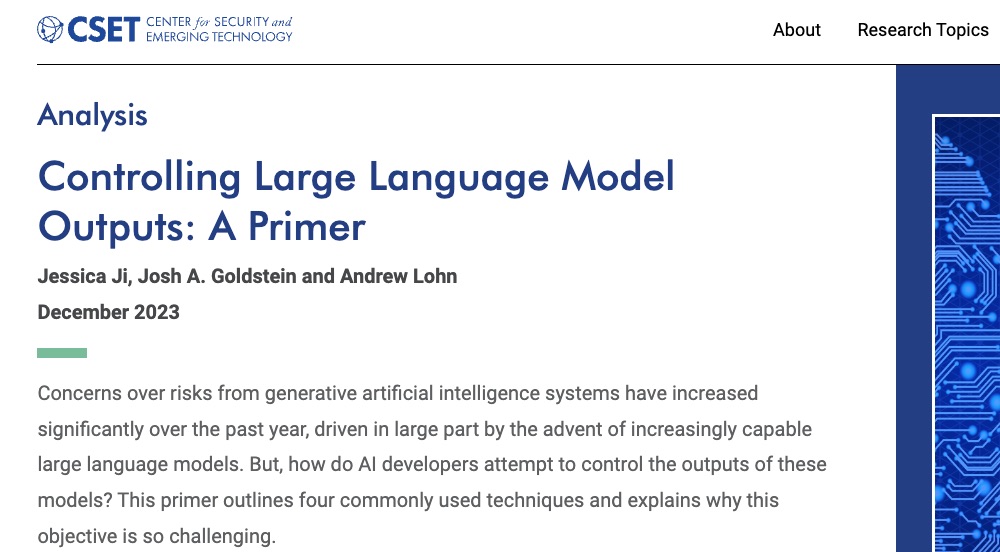
Concerns over risks from generative artificial intelligence systems have increased significantly over the past year, driven in large part by the advent of increasingly capable large language models. But, how do AI developers attempt to control the outputs of these models? This primer outlines four commonly used techniques and explains why this objective is so challenging.
Center for Security and Emerging Technology (CSET)
This paper introduces a framework for algorithmic auditing that supports artificial intelligence system development end-to-end, to be applied throughout the internal organization development lifecycle.
ACM Conference on Fairness, Accountability, and Transparency (ACM FAccT)
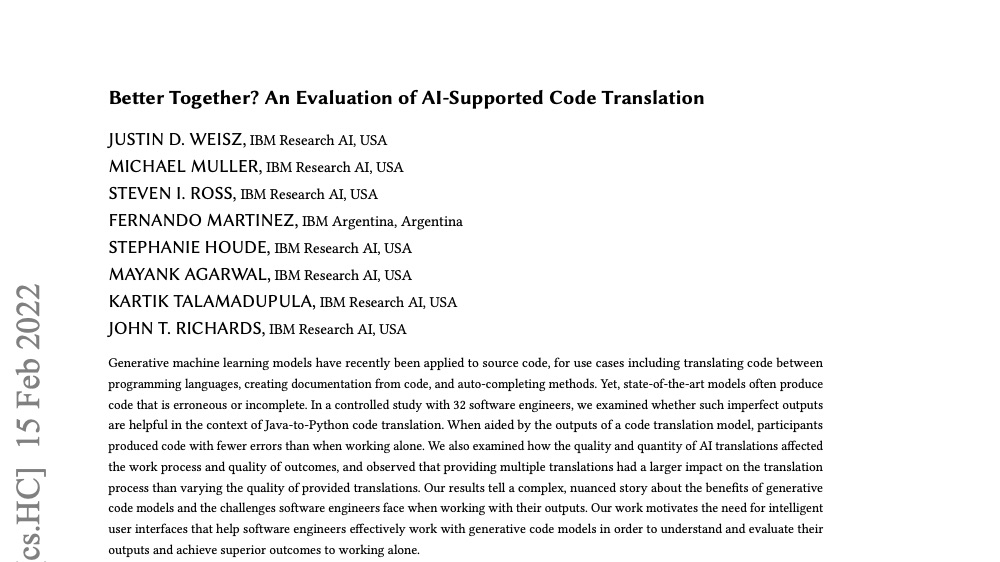
This research explores how software engineers are able to work with generative machine learning models. The results explore the benefits of generative code models and the challenges software engineers face when working with their outputs. The authors also argue for the need for intelligent user interfaces that help software engineers effectively work with generative code models.
In 2018 the Better Identity Coalition released a Policy Blueprint outlining five key initiatives that to solve the majority of America’s challenges in the digital identity space. This report from 2024 grades progress on each of the original Blueprint’s five key initiatives – as well as the 19 items that were contained in the “action plan” to support those initiatives.
Artificial intelligence promises exciting new opportunities for the government to make policy, deliver services and engage with residents. But government procurement practices need to adapt if we are to ensure that rapidly-evolving AI tools meet intended purposes, avoid bias, and minimize risks to people, organizations, and communities. This report lays out five distinct challenges related to procuring AI in government.