Comprehensive and sustained improvement in benefits access and customer experience requires changes across policy, operations, technology, staffing, procurement, and more. This guide offers a collection of actions and best practices for states to apply.
This resource highlights strategies for integrating benefits renewals and correspondence, potentially reducing administrative burdens for both clients and caseworkers.
A study shows that Benefits Data Trust’s outreach and application assistance significantly increased SNAP enrollment among North Carolina seniors, improving health outcomes and reducing Medicaid costs.
Article describing the “time tax,” the costs to people applying or benefits in terms of spending substantial amounts of time navigating user-unfriendly interfaces. The article describes the necessity of simplifying safety-net programs and cross-coordinating across various social service programs.
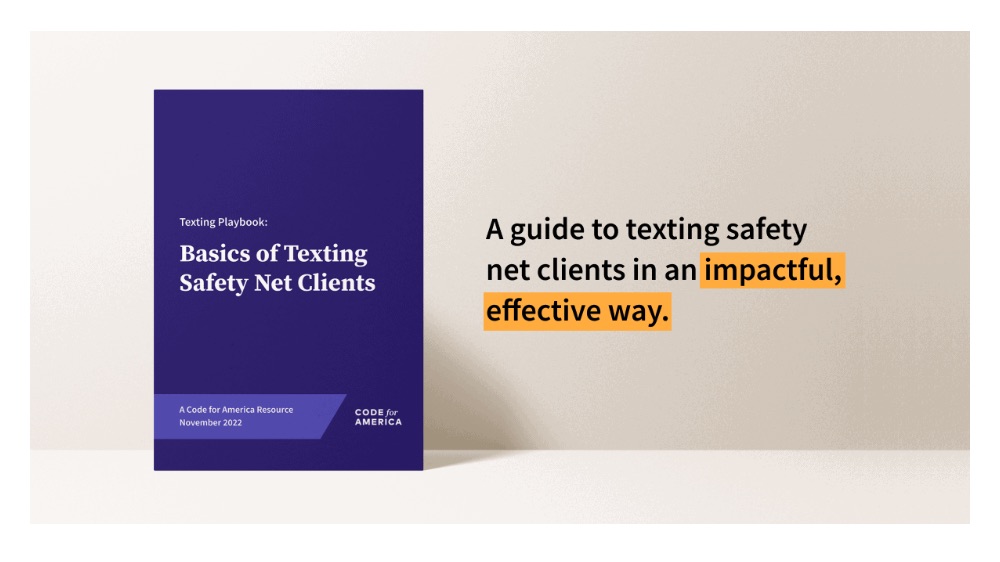
The Texting Playbook provides guidance and well-researched strategies to help state agencies implement texting in support of Medicaid, SNAP, WIC, and other benefits programs. It provides an overview of how to start texting clients; the types of messages to send, including real examples; Federal Communications Commision (FCC) policy guidance; how to encourage opt-ins and collect consent; how to avoid coming across as spam; and a cost analysis of texting.
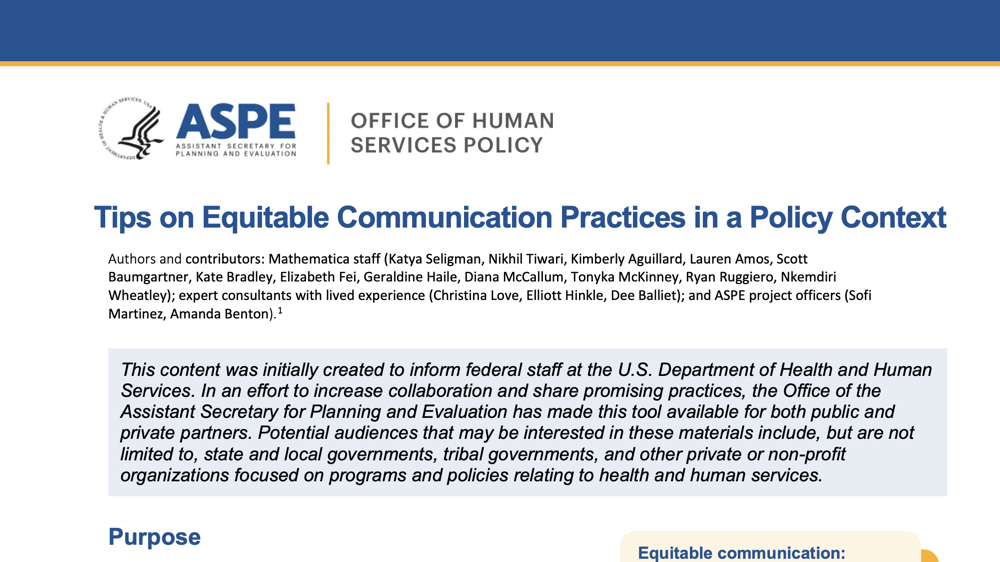
Initially created to inform federal staff at the U.S. Department of Health and Human Services, this tip sheet highlights the importance of using equitable communication and includes tips, guiding questions, and additional resources.
Office of the Assistant Secretary for Planning and Evaluation (ASPE)
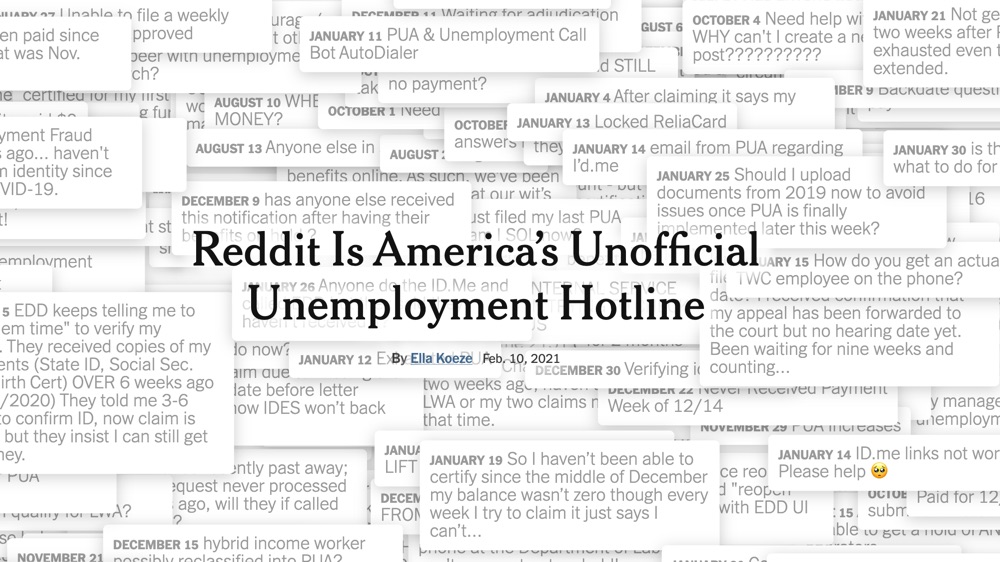
Reddit's unemployment forums have become vital support networks during the pandemic, offering advice, emotional support, and a sense of community to those navigating job loss and financial hardship.
A primer by New America for government entities thinking about embracing open-source solutions. This report is based on interviews with experts in the field, the organization’s work on piloting open source projects with partners around the world, and a review of nearly 50 reports, documents, and resources on the creation and usage of open source software.
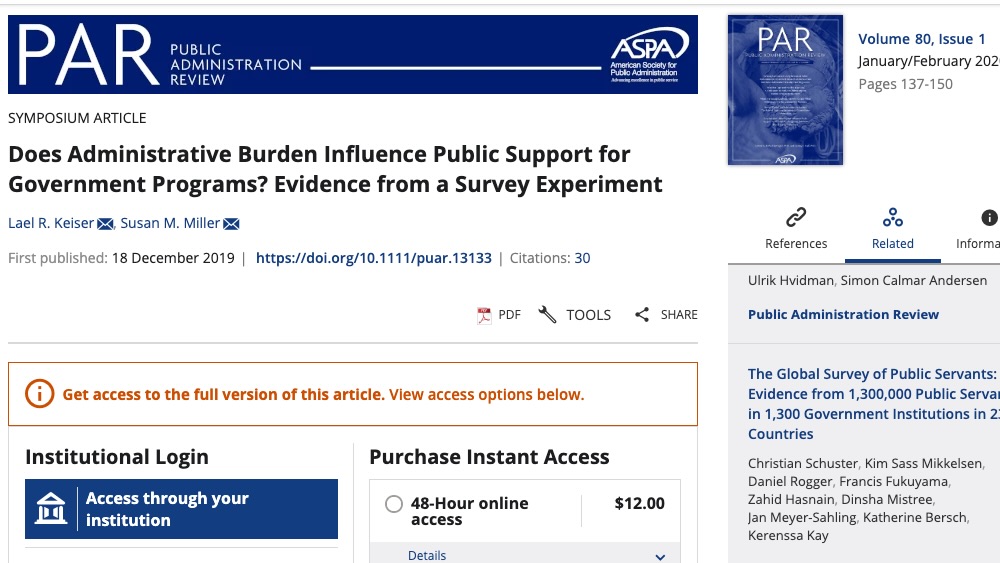
This study examines how providing information about administrative burden influences public support for government programs like TANF, showing that awareness of these burdens can increase favorability toward the programs and their recipients.
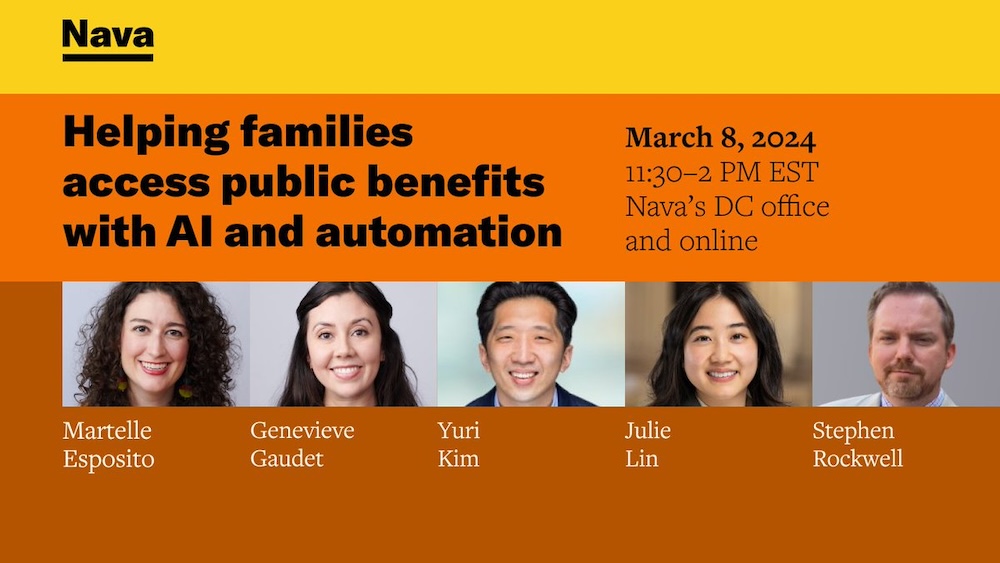
Webinar that shares Nava’s partnership with the Gates Foundation and the Benefits Data Trust that seeks to answer if generative and predictive AI can be used ethically to help reduce administrative burdens for benefits navigators.