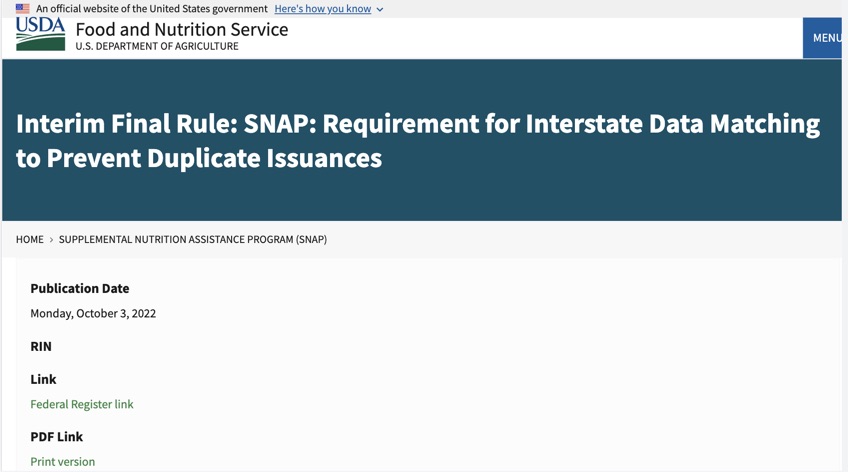
This interim final rule requires SNAP State agencies to provide information to the NAC regarding individuals receiving SNAP benefits in their states in order to ensure they are not already receiving benefits in another state.
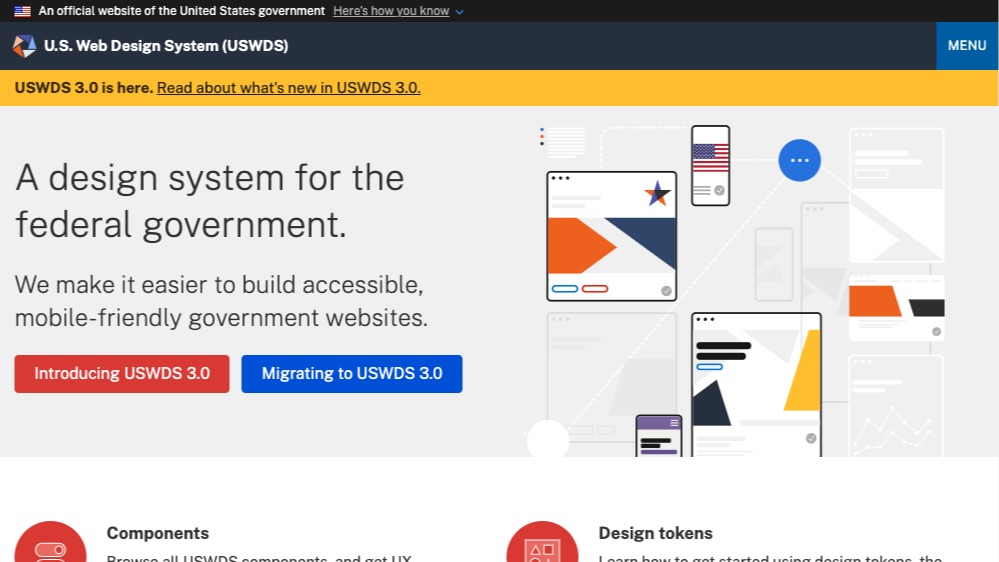
The U.S. Web Design System (USWDS) is makes it easier to build accessible, mobile-friendly government websites. USWDS is an active open source community of government engineers, content specialists, and designers. Its contributors both in and out of government support dozens of agencies and nearly 200 sites.
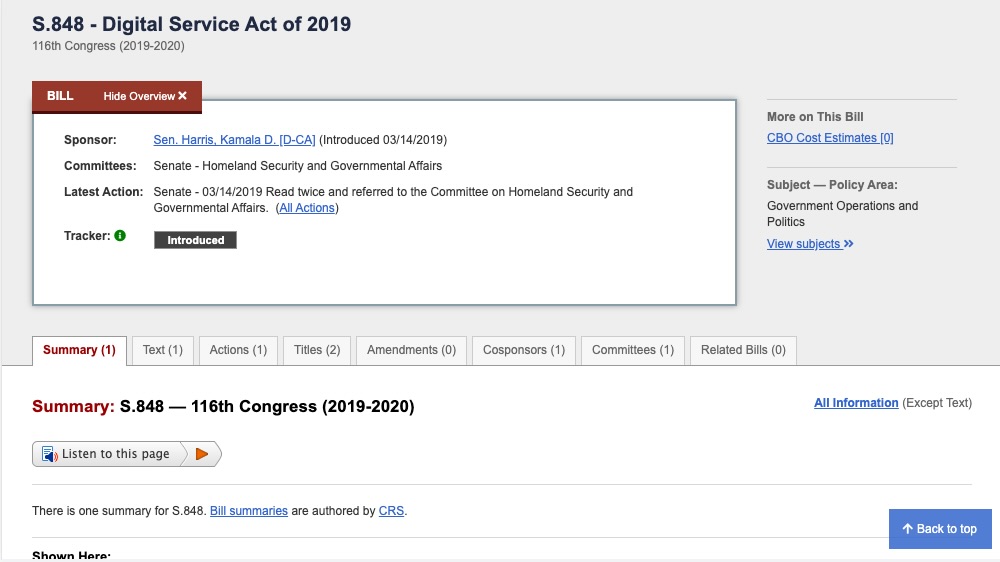
This bill authorizes the U.S. Digital Service to make a grant to a state, Indian tribe, or local government to establish or support a team of relevant experts dedicated to modernizing the delivery of government services to the public through information technology. A state, tribe, or local government may receive up to two such grants.
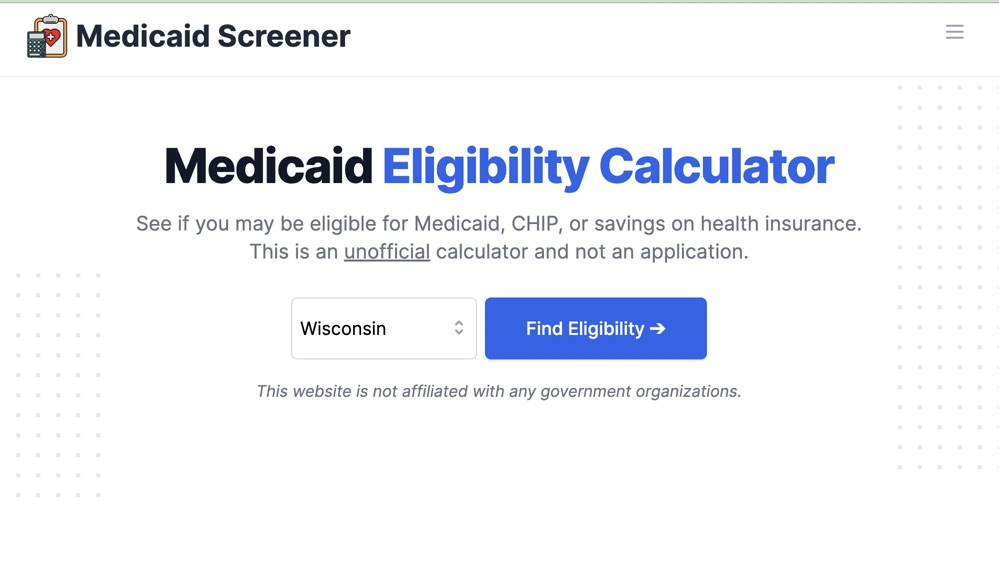
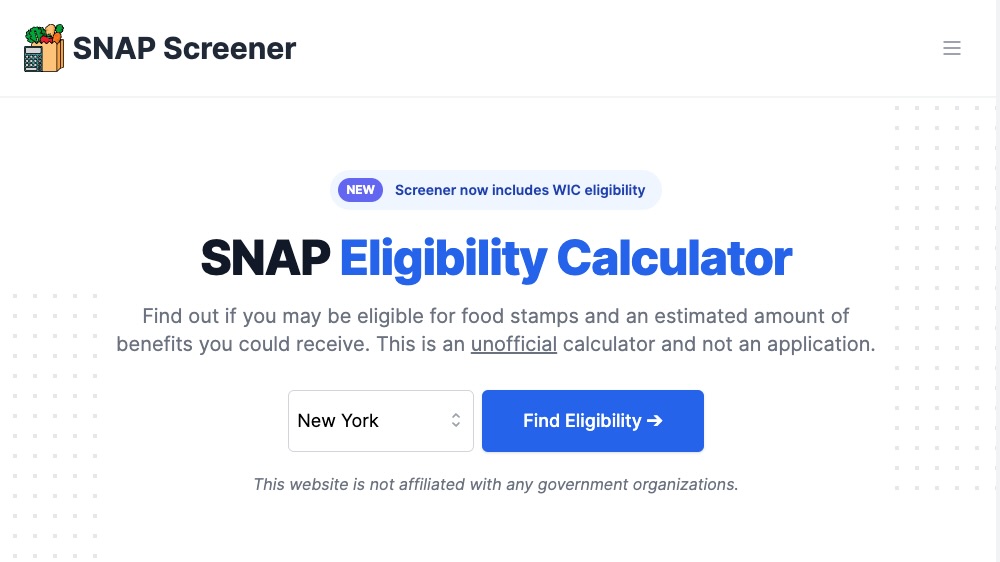
Unofficial calculator allowing users to see if they may be eligible for Medicaid, CHIP, or savings on health insurance. The calculator can be embedded on other websites.
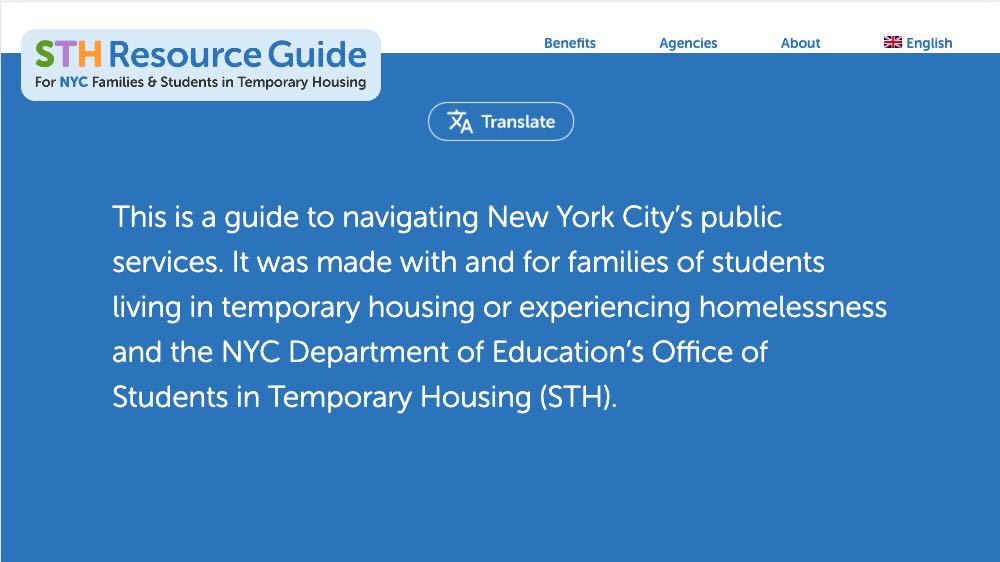
A guide to navigating New York City’s public services. It was made with and for families of students living in temporary housing or experiencing homelessness and the NYC Department of Education’s Office of Students in Temporary Housing (STH).
Executive Order 13985, titled "Advancing Racial Equity and Support for Underserved Communities Through the Federal Government," was issued by President Joe Biden on January 20, 2021, to promote equity across federal agencies.
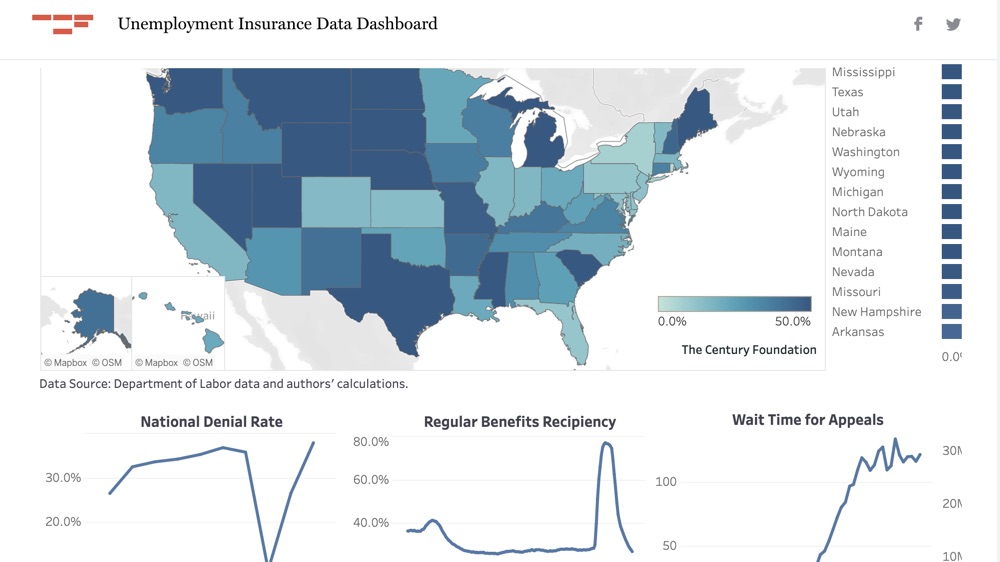
This dashboard highlights key performance indicators for UI systems nationwide, including how they perform during the current economic crisis, the impact of the CARES Act benefits expiring, the timeline for which benefits are delivered, demographics of benefits recipients, and total benefits payments.
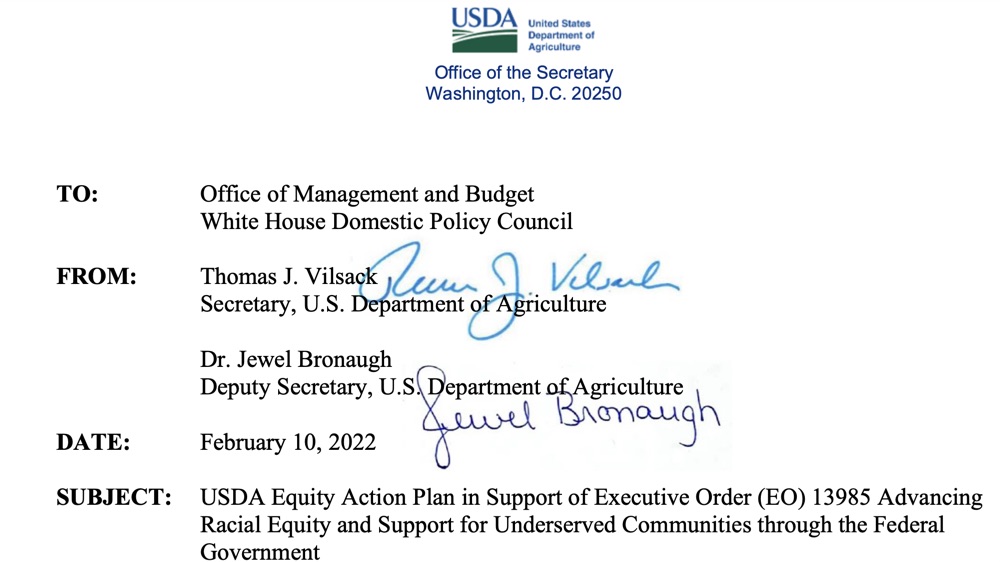
On January 20, 2021, the President issued EO 13985, which established that the Federal Government should pursue a comprehensive approach to advancing equity for all. USDA's Equity Action Plain details a subset of USDA actions to achieve this goal.
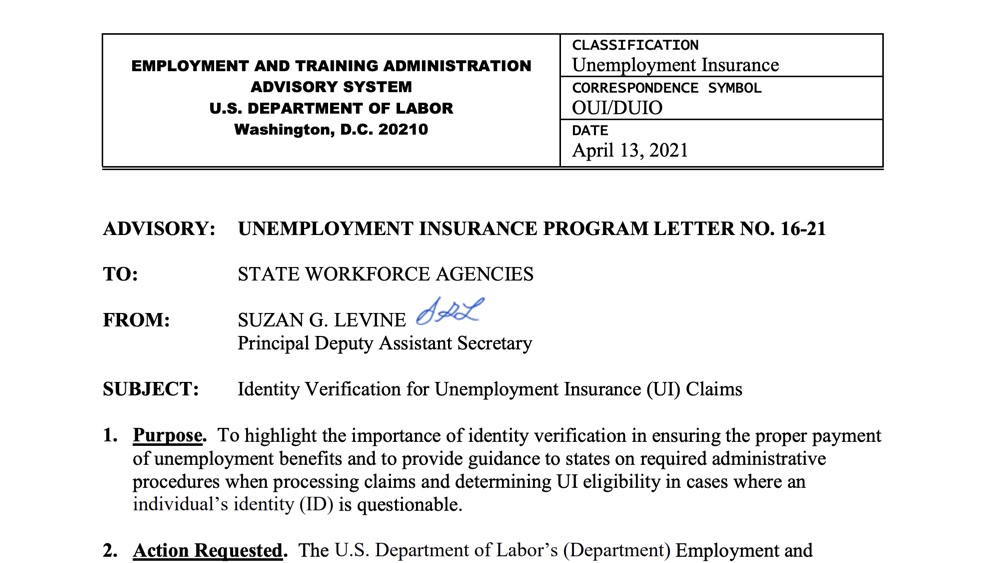
This program letter from the Employment and Training Administration Advisory System, U.S. Department of Labor to State Workforce Agencies highlights the importance of identity verification in ensuring the proper payment of unemployment benefits and provide guidance to states on required administrative procedures.
Employment and Training Administration Advisory System