A recent study challenges the common belief that income support programs like SNAP reduce employment, finding that for individuals with a work history, receiving SNAP benefits can actually increase long-term employment.
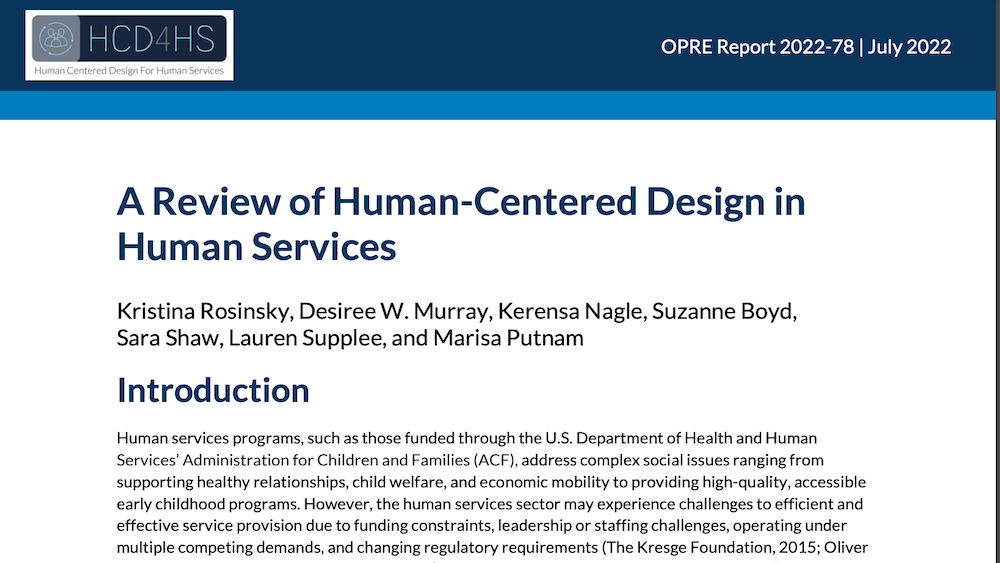
In this brief, they present a definition of HCD that is applicable to the context of human services delivery, differentiate HCD from similar design and problem-solving approaches, and describe how HCD is being used in human services.
U.S. Department of Health and Human Services (HHS)
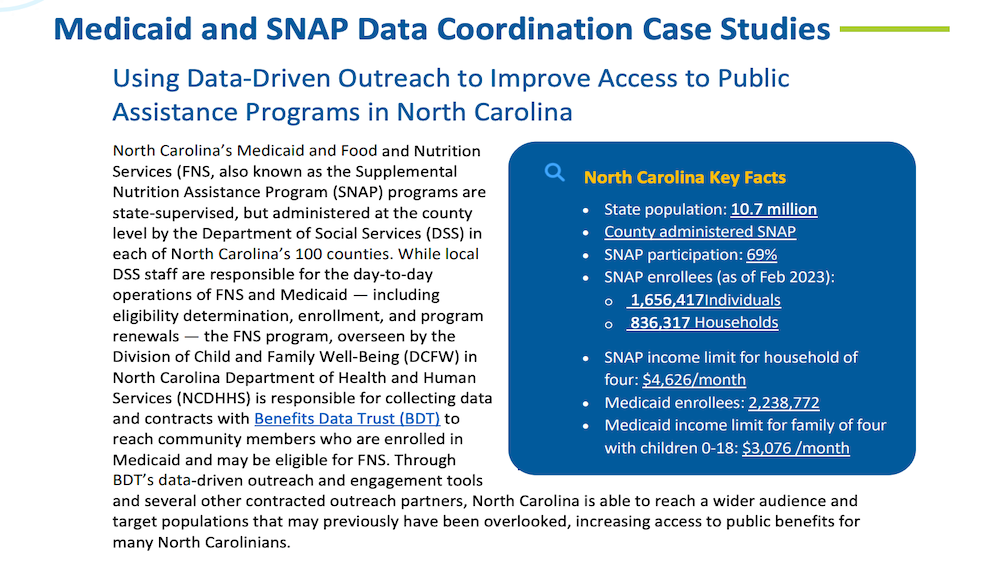
This case study series highlights innovative state strategies to improve data coordination between SNAP and Medicaid agencies and increase access for eligible people.
The paper hopes to stimulate discussions towards an ethical protocol for better practice in BI experiments and provide a useful resource to those working on, or interested in, BI research.
This report describes how the government can use widespread social media feedback and begin to build long-term measures to center people’s experience as an important component of policy design
Implementing flexible interview scheduling in Los Angeles County's CalFresh program significantly increased benefit approval rates and reduced processing times, particularly aiding working families, students, and individuals experiencing homelessness.
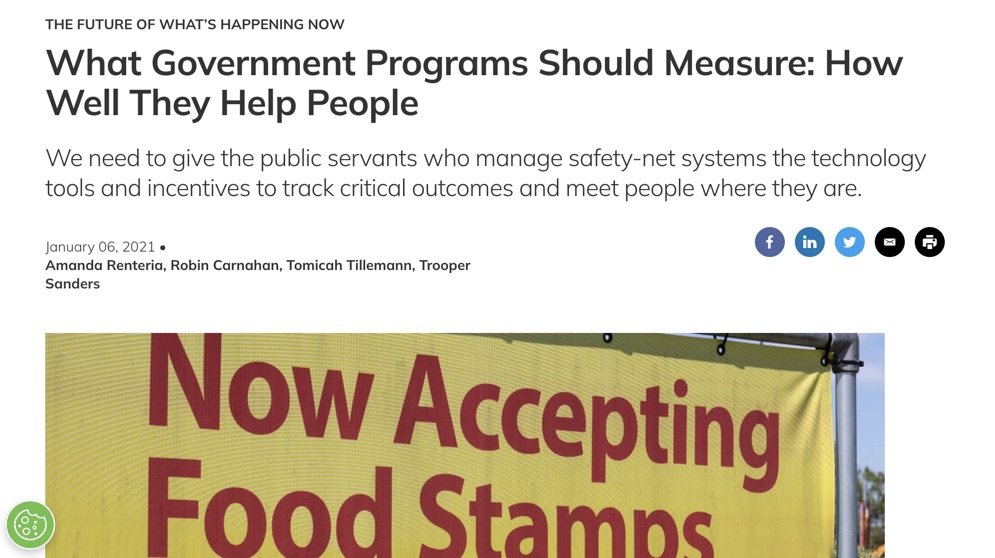
It is necessary give the public servants who manage safety-net systems the technology tools and incentives to track critical outcomes and meet people where they are.
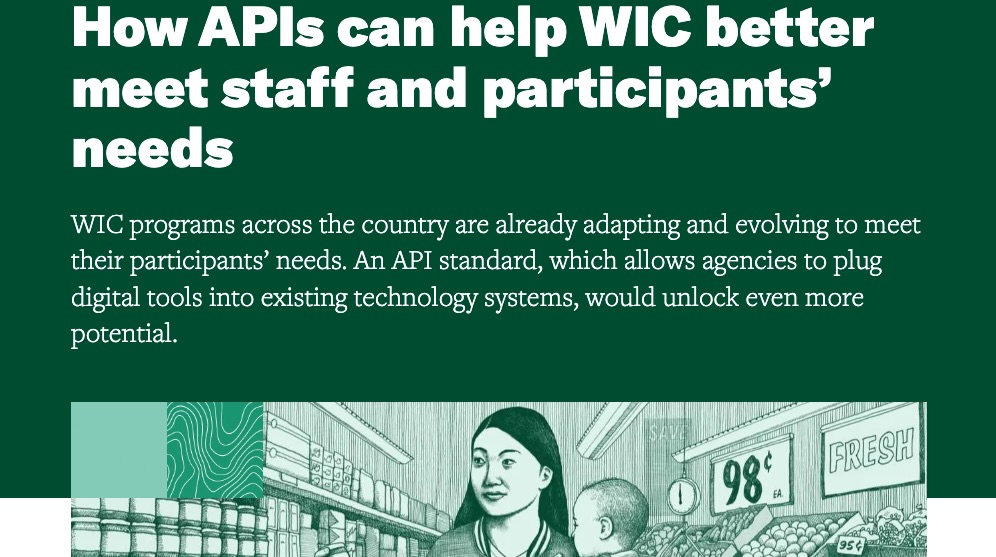
Implementing an API standard for WIC Management Information Systems (MIS) would enable seamless integration of digital tools, enhancing service delivery and accessibility for participants and staff.
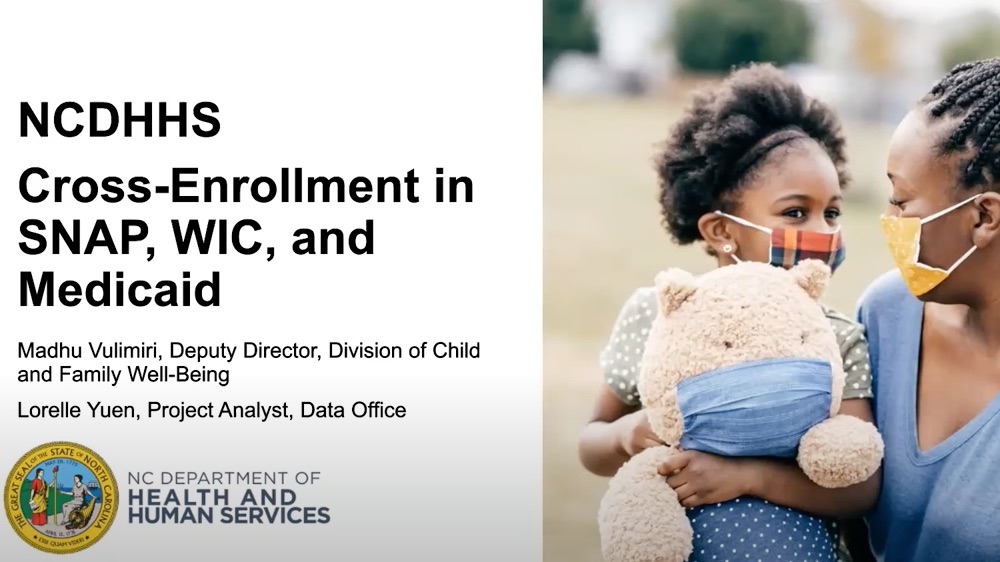
In this presentation, team members from the North Carolina Department of Health and Human Services provide an overview of the implementation process for cross enrollment with SNAP, WIC, and Medicaid in North Carolina.
North Carolina Department of Health and Human Services
In this webinar, the Center on Budget and Policy Priorities and the Digital Benefits Network explored key terms related to digital identity, and provided ecosystem-level context on how authentication and identity proofing may show up in the online benefits experience and impact clients.
Ruling from the FCC granting the U.S. Department of Health and Human Services (HHS) to confirm that federal and state governmental agencies working in conjunction with local governments, governmental contractors, and managed care entities acting under contract with state governments may, under certain circumstances, make autodialed and prerecorded or artificial voice calls or send autodialed text messages to raise awareness of the eligibility and enrollment requirements for these governmental health care programs without violating the Telephone Consumer Protection Act (TCPA).
This brief highlights key takeaways from APHSA’s work on young families, starting with an overview of the young families work and its early years, followed by key takeaways and highlights from its final year, ending with opportunities for future work in the young families space.
American Public Human Services Association (APHSA)