This report outlines a dozen fintech and civic tech organizations working across fourteen safety net programs to show what’s possible when modern technology is married to a consumer insights perspective.
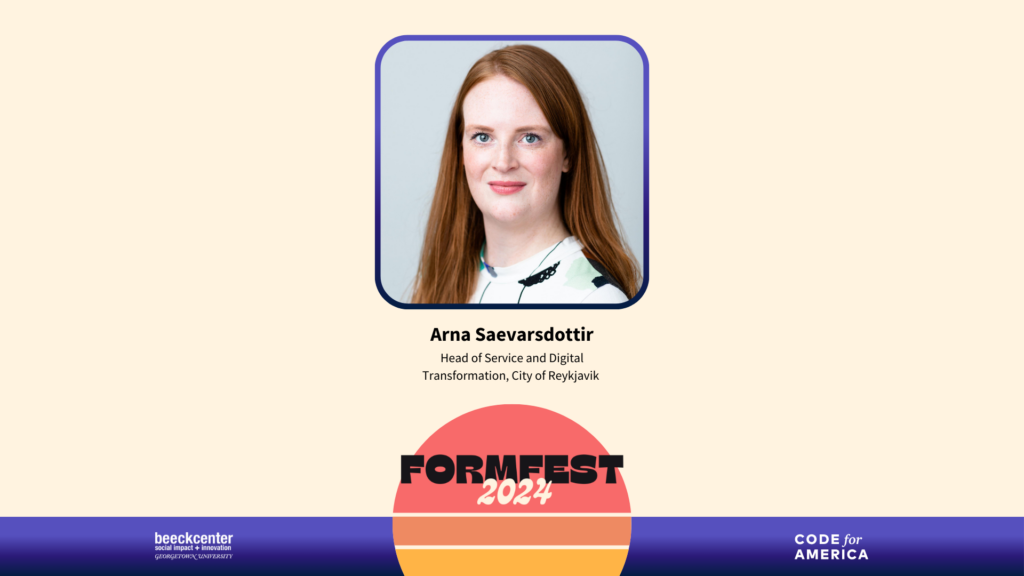
An event recap from one of FormFest 2024's breakout sessions featuring speakers from Digital Service Teams across the United States and the Department of Veteran Affairs.
The article explores the importance of participatory planning in policymaking, emphasizing how engaging impacted communities improves program design, equity, and trust in government, with a focus on early childhood education initiatives.
Michigan's UIA director, Julia Dale, is leading the agency through transition by prioritizing lived experience, hope, grit, and values. Virginia's SNAP Program Manager, Michele Thomas, highlighted the success of Sun Bucks, a summer EBT child nutrition program that fed over 700,000 kids in its first year.
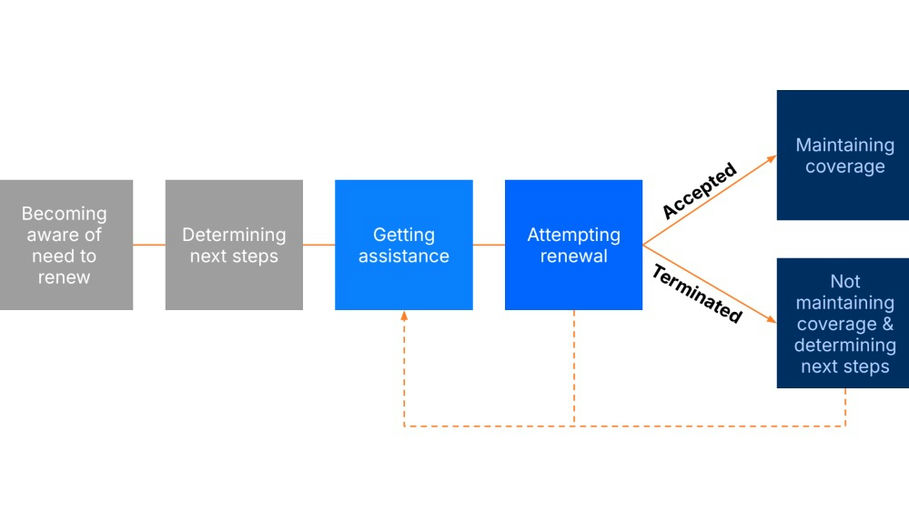
Based on user interviews with families across the United States who navigated the Medicaid renewal process, this report offers insights and recommendations for improving the experience of renewing Medicaid and other benefits.
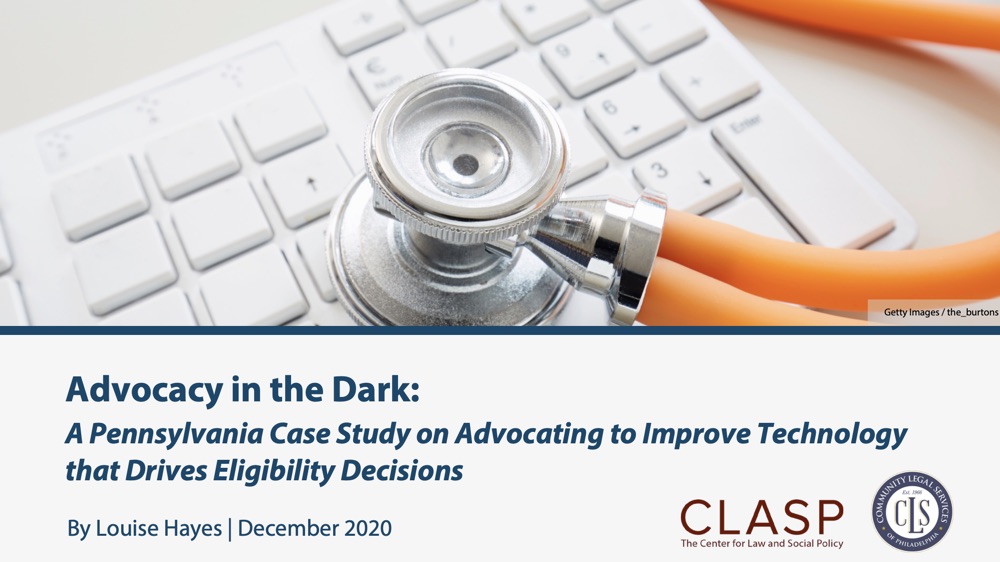
Technology that automates different processes can save time for caseworkers and constituents, but it can also significantly reduce the transparency of government operations. This paper describes how Pennsylvania advocates addressed the low rate of automated Medicaid renewals.
Eligible people struggle to maintain their case status for critical safety net services, often due to administrative hurdles and poor communication. Code for America piloted text message reminders to support Louisianans, which helped clients avoid costly churn. Text messages are an underrated, efficient solution for human service agencies to meet client expectations and improve case outcomes.
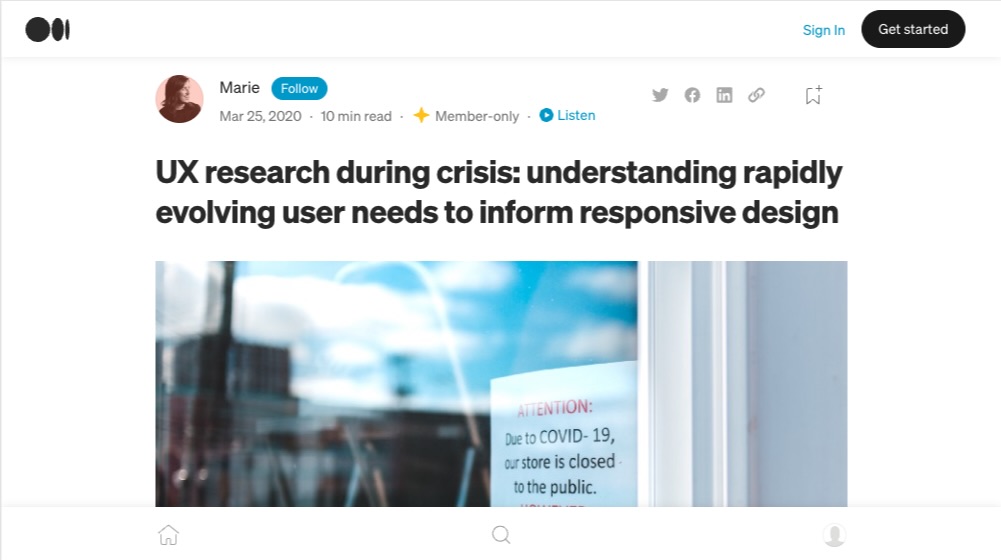
Important considerations for understanding user needs to inform responsive design in rapidly changing contexts are discussed, including how context, threat perception, decision-making, and crisis affects disaster management and UX research.
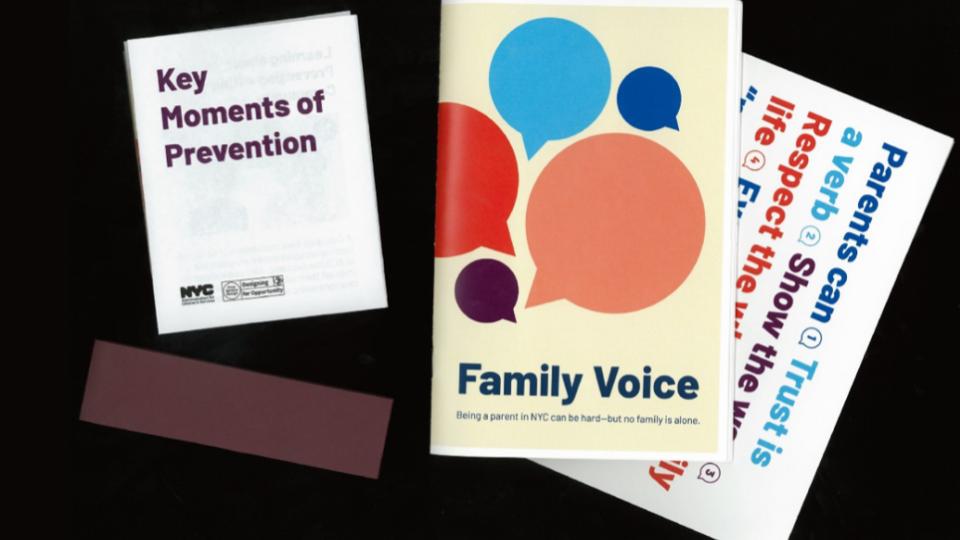
NYC Opportunity collaborated with the Administration for Child Services (ACS) to design a family-centered process for prevention services, addressing confusion and lack of choice in the current system. By creating tools like the Provider Profile and Family Voice booklet, the team empowered families to choose providers based on their needs while ensuring their feedback reaches ACS. The project aims to improve family experiences and communication with ACS, with plans to expand through testing and future innovations like a web portal.
Provides state and local Special Supplemental Nutrition Program for Women, Infants, and Children (WIC) agencies with a practical guide for developing or improving online WIC application systems.