This playbook offers a comprehensive guide for designing, implementing, and evaluating a guaranteed income program specifically for individuals experiencing homelessness.
This report details the development and deployment of My File, an open-source digital document management tool designed to help individuals securely store and share documents needed to access public services.
This factsheet outlines the Administration for Children and Families’ (ACF) 2024 initiatives to promote health equity across its programs by embedding equity into funding, service delivery, and community engagement.
U.S. Department of Health and Human Services (HHS)
This brief outlines research recommendations to better understand and improve income support and employment services for low-income and at-risk LGBT populations.
U.S. Department of Health and Human Services (HHS)
This case study details the development of a document extraction prototype to streamline benefits application processing through automated data capture and classification.
CalAcademy is California’s public sector innovation training program, equipping state employees with modern skills like human-centered design, data analytics, and a product mindset to enhance government services.
An online hub that connects WIC agencies and their partners through a national Data Matching Community of Practice, offering quarterly virtual convenings to share best practices, case studies, and peer learning on strategies to improve WIC outreach and enrollment.
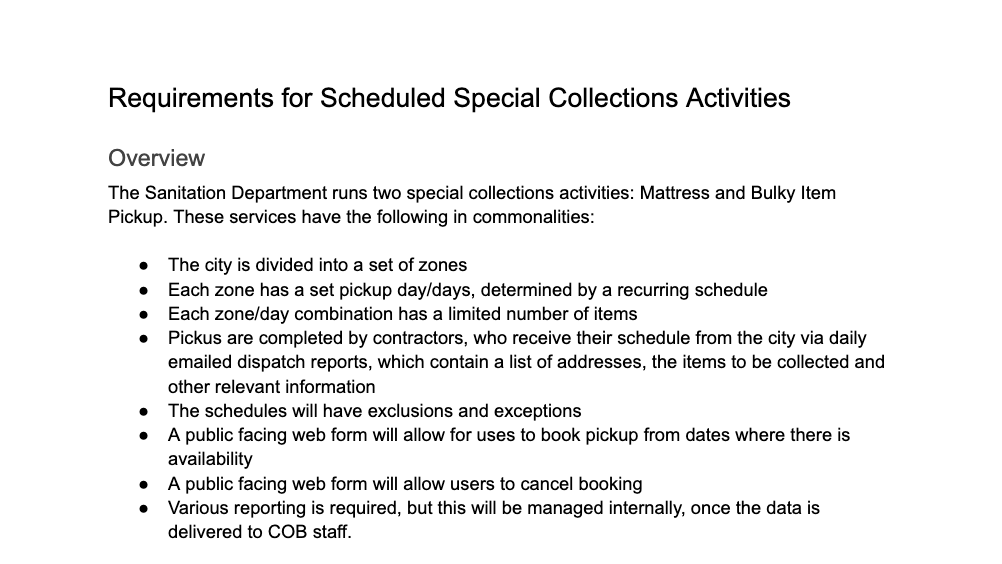
This exploratory brief outlines the City of Boston’s phased plan to build a digital system for scheduling, managing, and reporting mattress and bulky item recycling pickups.
DGN Spotlights are short-form project profiles that feature exciting work happening across our network of digital government practitioners. Spotlights celebrate our members’ stories, lift up actionable takeaways for other practitioners, and put the resources + examples we host in the Digital Government Hub in context.
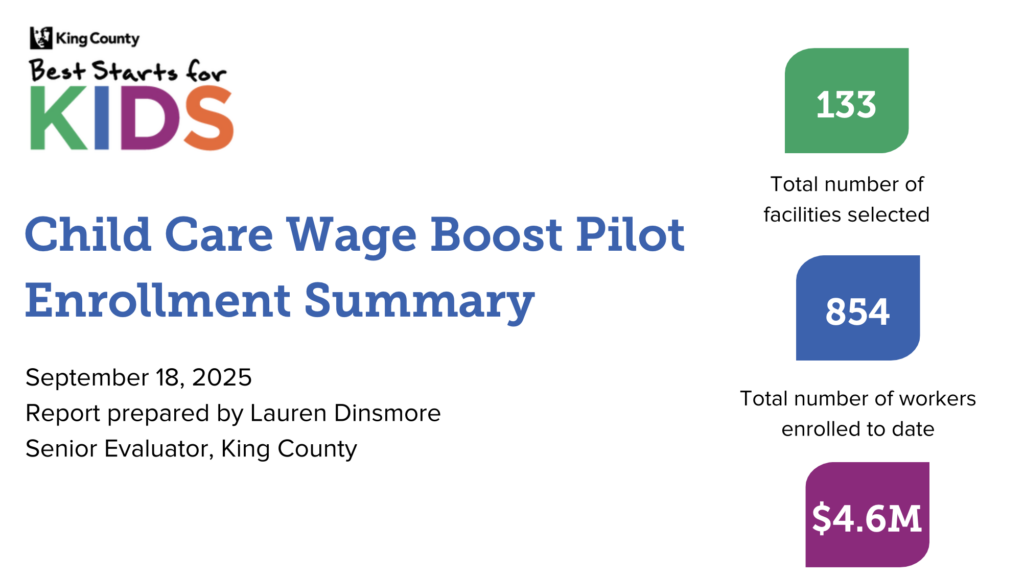
A data snapshot summarizing enrollment, participation, and early characteristics of workers and facilities participating in a child care wage boost pilot.
A participant handbook that explains how a child care wage boost pilot works, including eligibility, enrollment, payments, privacy protections, and ongoing responsibilities for facilities and workers.
King County Department of Community and Human Services