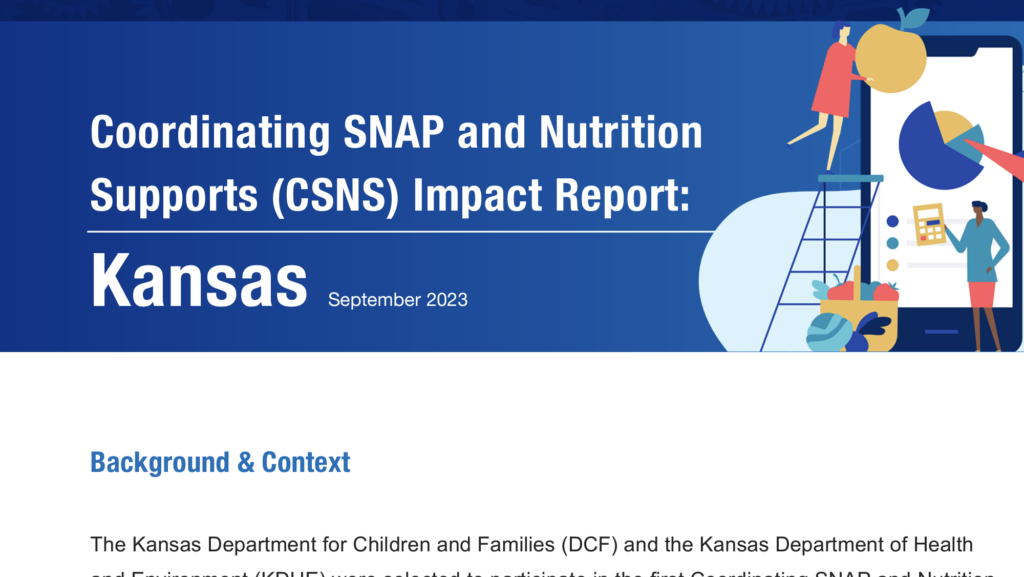
This report highlights best practices and lessons learned from Kansas' partnership with Delivering Change to improve SNAP and WIC access in seven counties through innovative data sharing and targeted outreach.
American Public Human Services Association (APHSA)
This toolkit provides practical guidance for agencies, researchers, and community partners to embed racial equity throughout every stage of data integration and use.
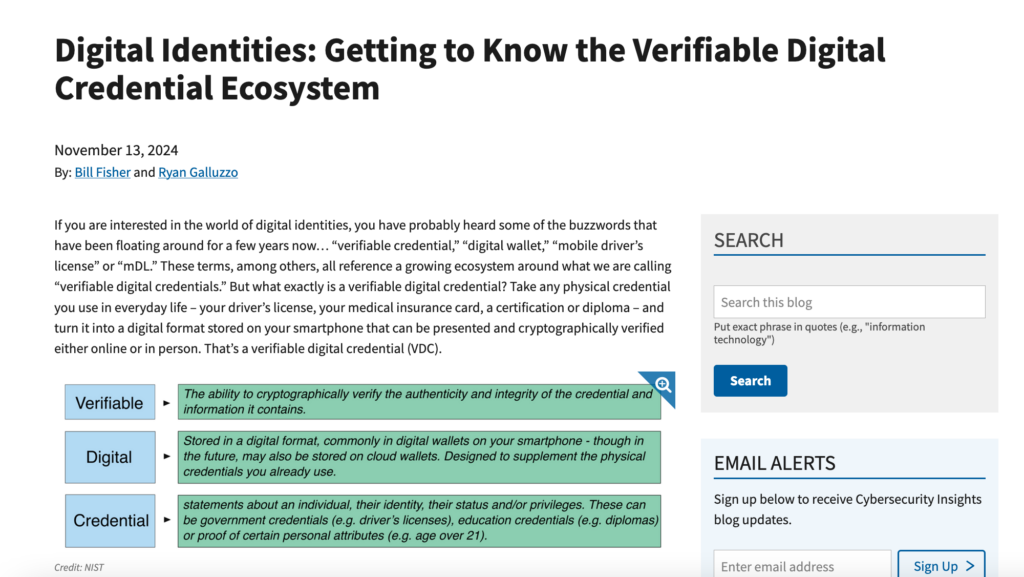
This blog explains that verifiable digital credentials (VDCs) are cryptographically secure digital versions of physical credentials (like driver’s licenses or diplomas) stored in digital wallets that can be presented and verified online or in person.
National Institute of Standards and Technology (NIST)
This study emphasizes the need for better tracking of gig economy data and qualitative insights, as interviews from the American Voices Project reveal how broader economic trends impacted individual lives and filled gaps during the pandemic.
This article investigates how users' "metamemory"—specifically their anxiety regarding their own memory capabilities—drives insecure password behaviors.
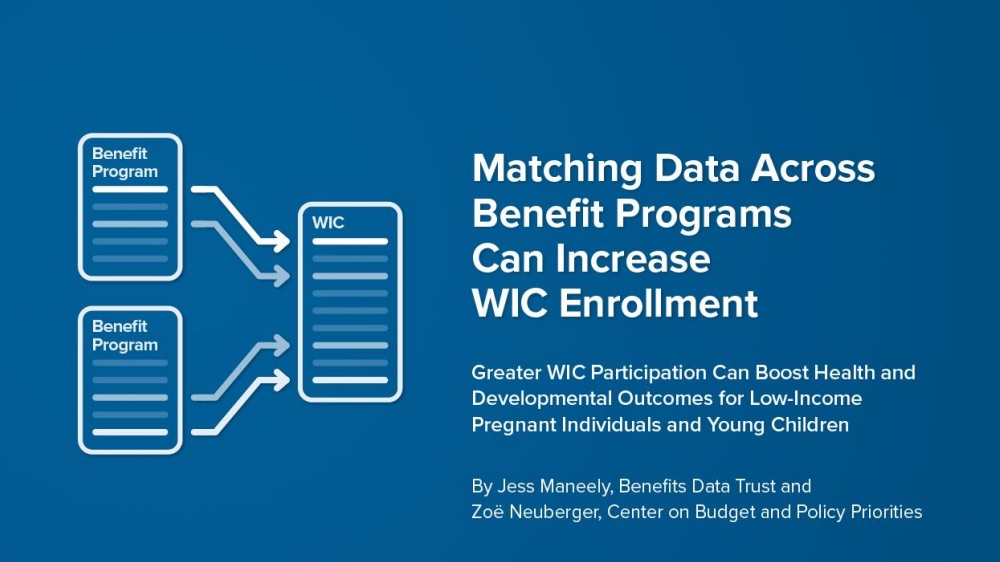
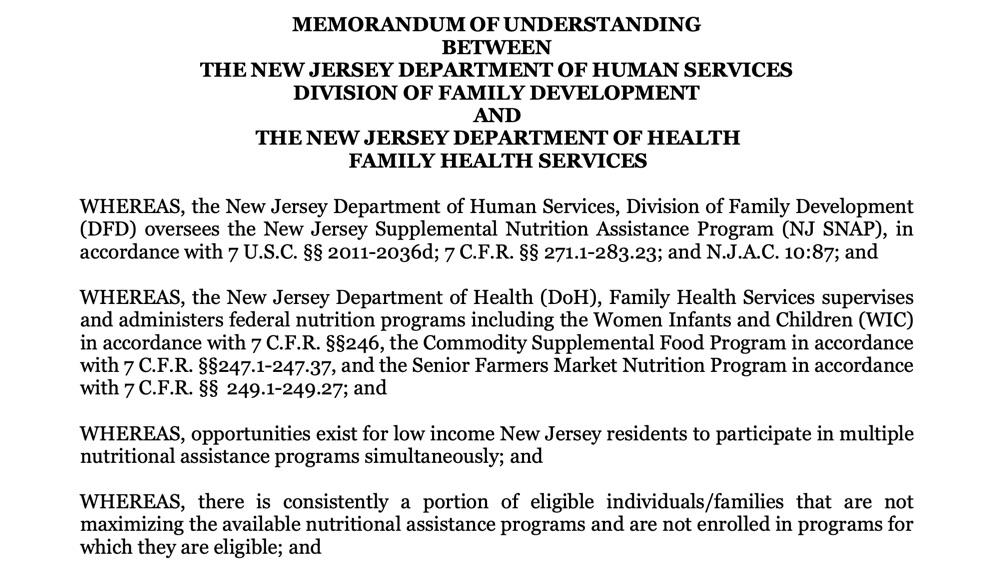
This case study highlights how states used data sharing and targeted outreach to boost WIC enrollment among Medicaid and SNAP participants, improving program reach and reducing disparities.