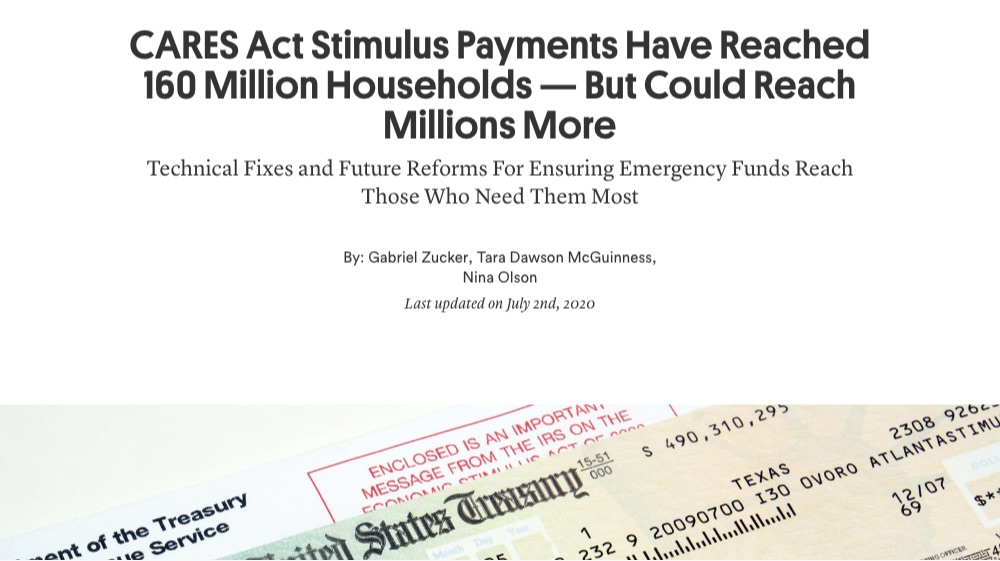
The CARES Act Stimulus Payments Report by New America analyzes the implementation and impact of the Economic Impact Payments (stimulus checks) distributed during the COVID-19 pandemic, highlighting accessibility challenges and policy recommendations for future direct payments.
Technology that automates different processes can save time for caseworkers and constituents, but it can also significantly reduce the transparency of government operations. This paper describes how Pennsylvania advocates addressed the low rate of automated Medicaid renewals.
A research brief explaining how work requirements in programs like Medicaid and SNAP reduce coverage, increase administrative costs, and push eligible people deeper into poverty without improving employment outcomes.
An economic analysis estimating how recipients of emergency SNAP benefits during the pandemic allocated additional funds, primarily to food consumption.
The team introduced "Policy Pulse," a tool to help policy analysts understand laws and regulations better by comparing current policies with their original goals to identify implementation issues.
The team developed an AI-powered explanation feature that effectively translates complex, multi-program policy calculations into clear and accessible explanations, enabling users to explore "what-if" scenarios and understand key factors influencing benefit amounts and eligibility thresholds.
The Community-Driven Policies and Practices project engaged people experiencing poverty in power-building sessions to develop advocacy plans for economic justice. This report offers recommendations for nonprofits to engage people with lived experience of poverty in advocacy.
This research summary presents findings from a randomized controlled trial demonstrating how mRelief’s simplified SNAP application significantly increases application rates among eligible individuals.
This report explores the financial challenges faced by U.S. workers, analyzing the roles of work arrangements and public and workplace benefits in achieving financial security, while highlighting the disparities in access and effectiveness for low- and moderate-income workers.