This page describes the agency’s investments in digital tools and services aimed at reducing friction in how people find, apply for, and maintain eligibility for federal benefits.
This case study details the development of a document extraction prototype to streamline benefits application processing through automated data capture and classification.
A case study documenting how a human-centered claimant portal was developed for the New Jersey Department of Labor (NJDOL) to modernize unemployment insurance access using agile development and API technology.
Canada’s Digital Standards are a set of principles that guide how public servants design, build, and run government digital services so they’re user-centered, accessible, secure, open, and trustworthy.
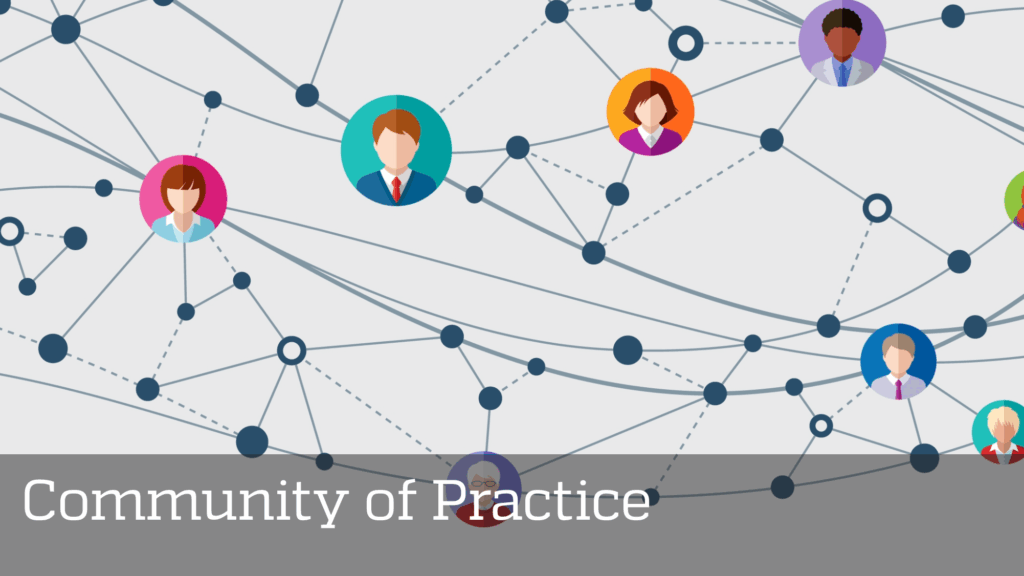
An online hub that connects WIC agencies and their partners through a national Data Matching Community of Practice, offering quarterly virtual convenings to share best practices, case studies, and peer learning on strategies to improve WIC outreach and enrollment.
The Digital Benefits Network at the Beeck Center for Social Impact + Innovation at Georgetown University and Public Policy Lab co-hosted a webinar presenting breaking research on beneficiary experiences with digital identity processes in public benefits.
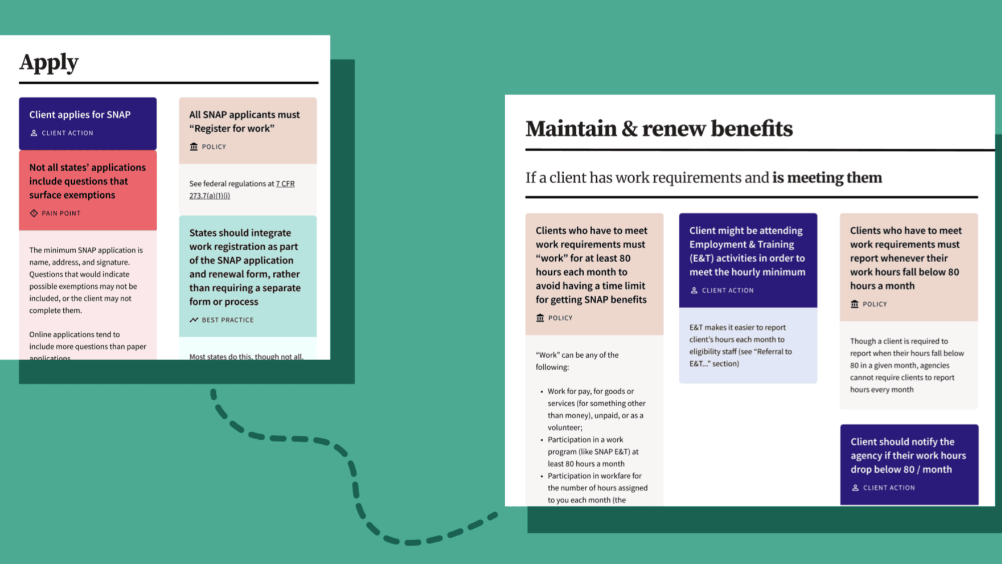
This blog presents a service blueprint that maps how expanded SNAP work requirements will affect the application, eligibility, and maintenance processes—and offers design recommendations to reduce administrative burden.
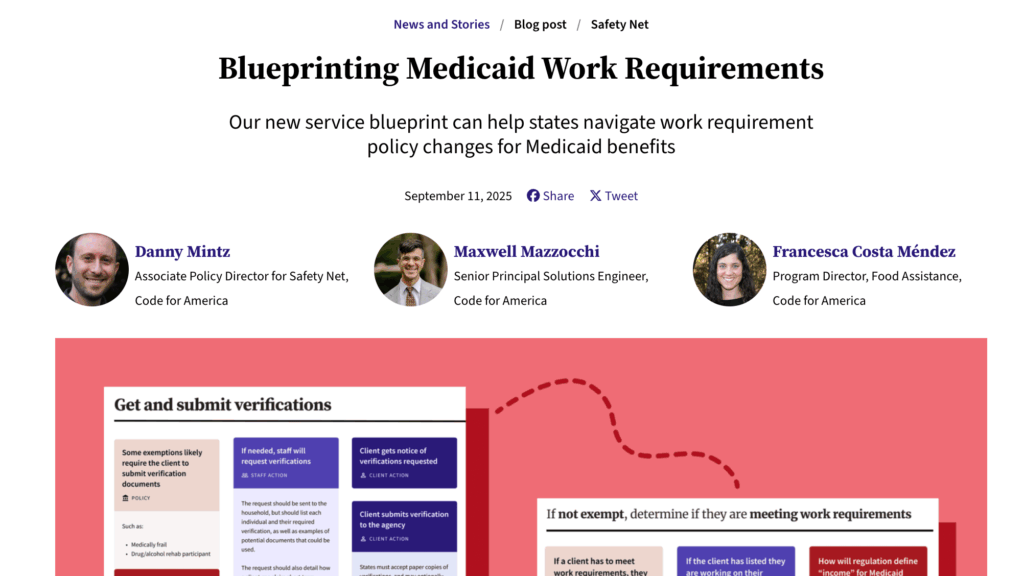
This blog introduces Code for America’s new service blueprint for Medicaid work requirements, highlighting how it can help states map system changes, identify pain points, and prioritize human-centered design.