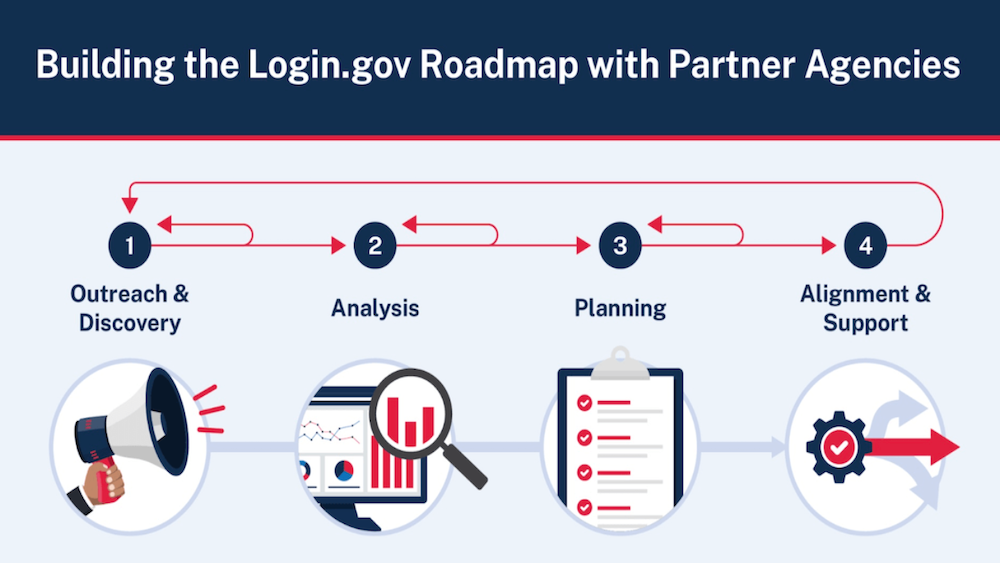
Login.gov created a first-of-its-kind, publicly-visible program roadmap and shares tips on how other programs can build their own roadmaps to improve transparency.
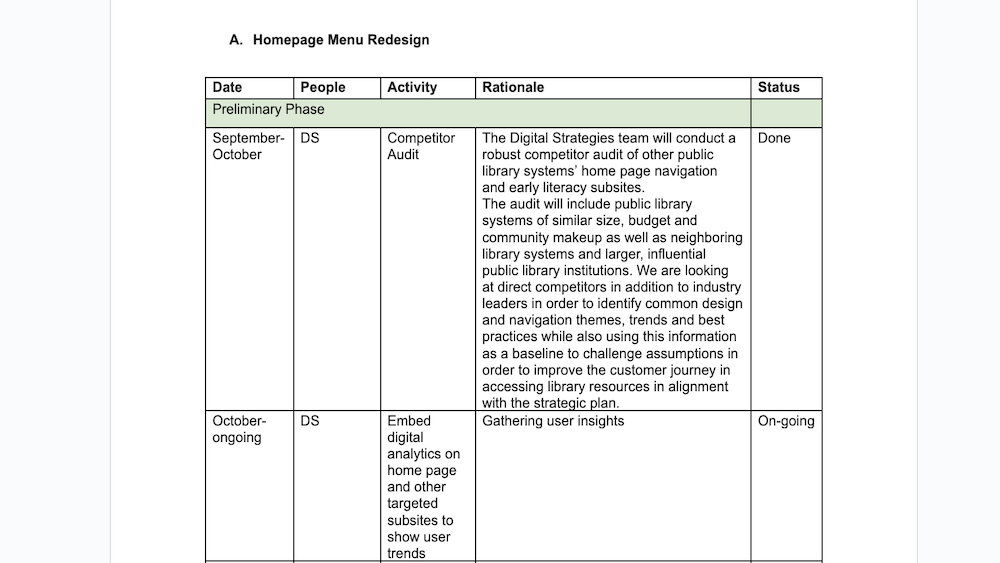
The Montgomery County Public Libraries (MCPL) website redesign plan outlines how to improve user access to resources through inclusive design and better navigation. It also shares goals of best practices in UX design with the public library community to promote digital equity. The project involves collaboration with the MCPL Digital Strategies Team and other partners, focusing on redesigning content for early literacy, teens, and children.
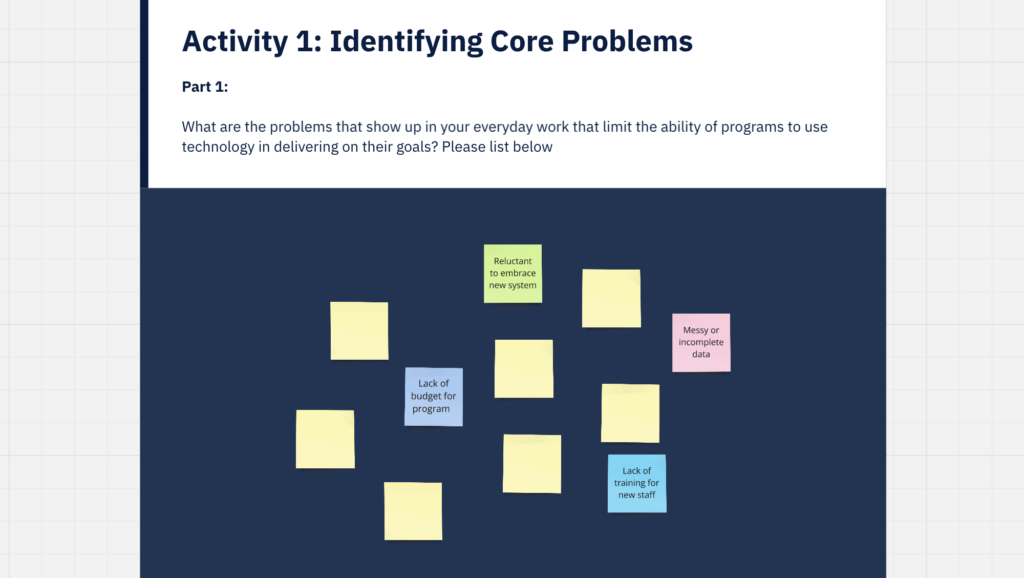
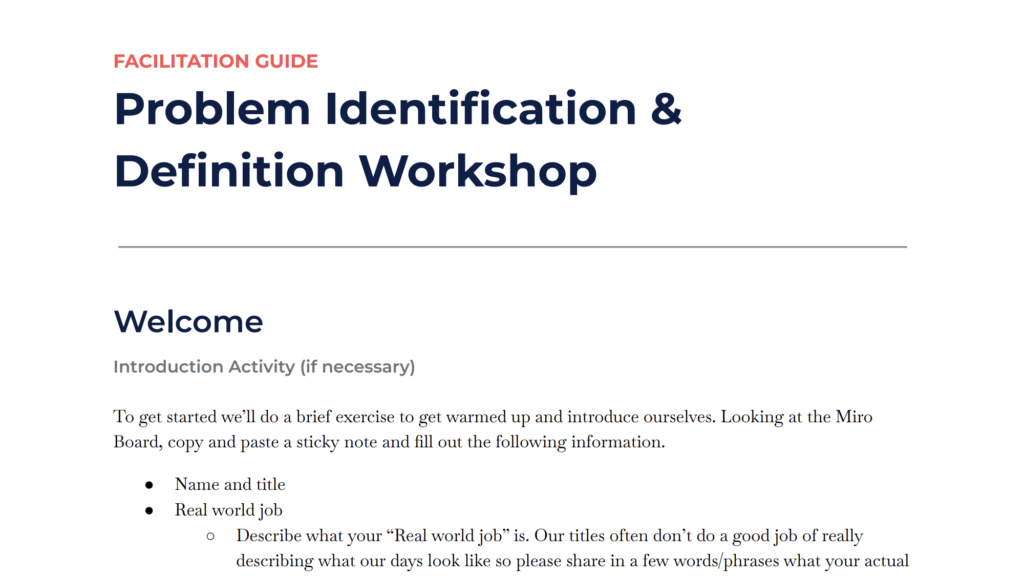
This workshop guide offers teams an opportunity to jointly work toward understanding core problems impacting digital delivery in their organization. The guide is structured in two parts: (1) a Miro template and (2) a Facilitation Guide.
Michigan's UIA director, Julia Dale, is leading the agency through transition by prioritizing lived experience, hope, grit, and values. Virginia's SNAP Program Manager, Michele Thomas, highlighted the success of Sun Bucks, a summer EBT child nutrition program that fed over 700,000 kids in its first year.
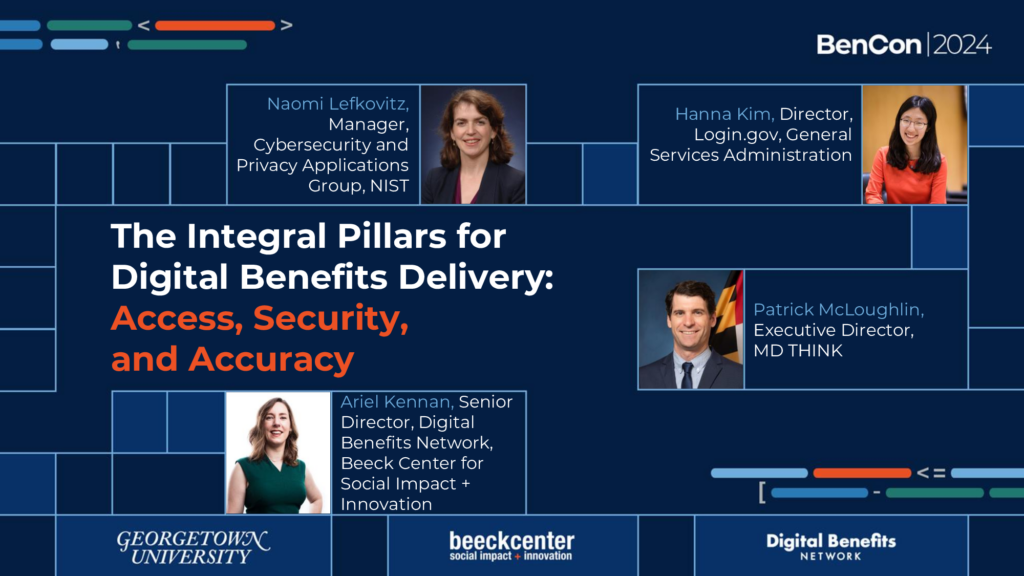
Government leaders discuss how to ensure seamless access to public benefits through breaking down silos, user-friendly digital identities, and privacy-focused security measures.
The New York State WIC program website provides access to nutritious foods, nutrition education, breastfeeding/chestfeeding support, and referrals to eligible pregnant, breastfeeding, and postpartum individuals, infants, and children up to age five.
This workshop guide offers teams an opportunity to jointly work toward understanding core problems impacting digital delivery in their organization. The guide is structured in two parts: (1) a Miro template and (2) a Facilitation Guide.
The New York Experience – or “NYX” – aims to transform the customer experience across New York State agencies making our government work better for our people.
The article examines the impact of digital interfaces on welfare state administration, focusing on the UK's Universal Credit system and the design elements that shape user interactions and behavior in an "interface first" bureaucracy.
This report explores innovative solutions and insights from CMS Innovation Center's Hackathon series to address the unique healthcare challenges faced by rural, Tribal, and geographically isolated communities.