An evaluation of the impact of the USDA’s FFRCA waivers on the WIC program during the COVID-19 pandemic, focusing on how temporary flexibilities such as remote certification and relaxed physical presence requirements affected participant access, program operations, and staff capacity.
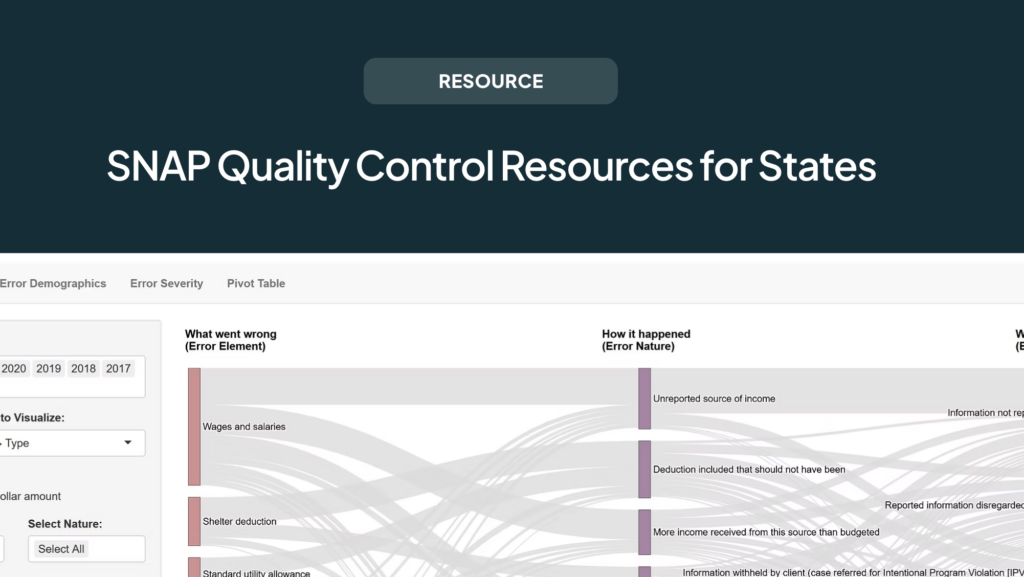
A blog introducing an interactive viewer that helps users explore SNAP Quality Control error data to better understand payment accuracy trends and administrative challenges across states.
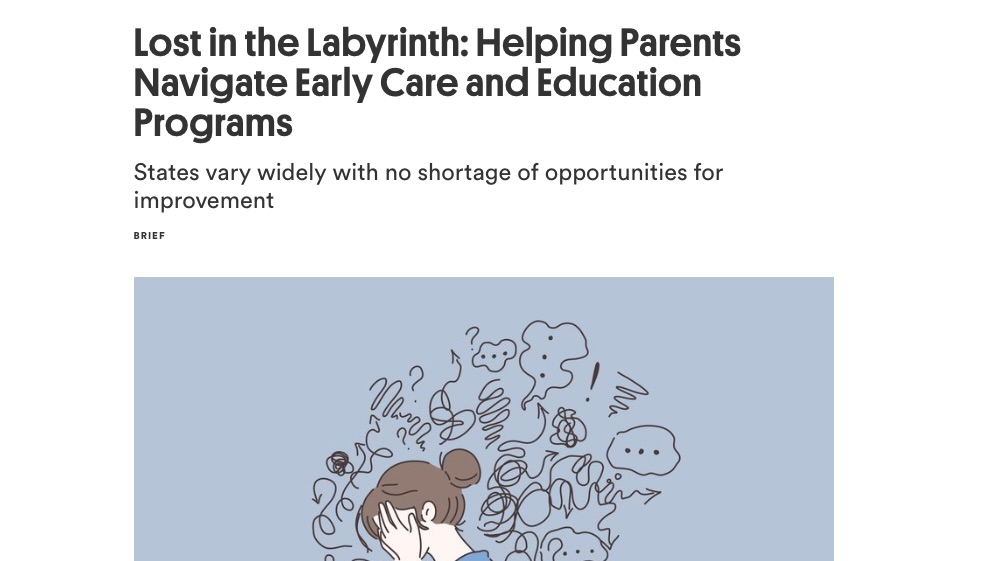
The Lost in the Labyrinth brief examines how fragmented early care and education (ECE) programs across the U.S. create challenges for families seeking services for young children.
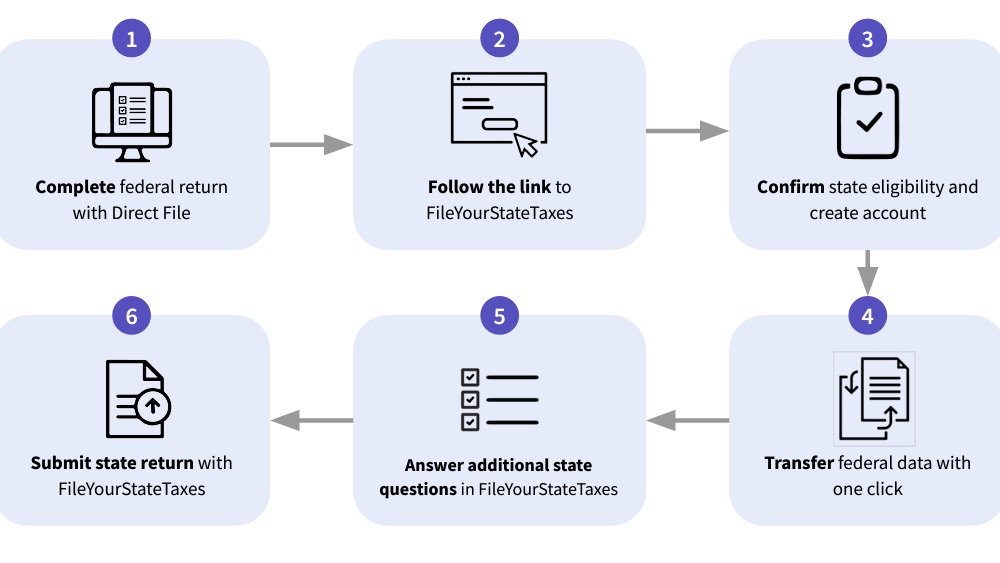
The FileYourStateTaxes pilot successfully integrated state tax filing with the IRS Direct File program, improving taxpayer experience and ease of filing.
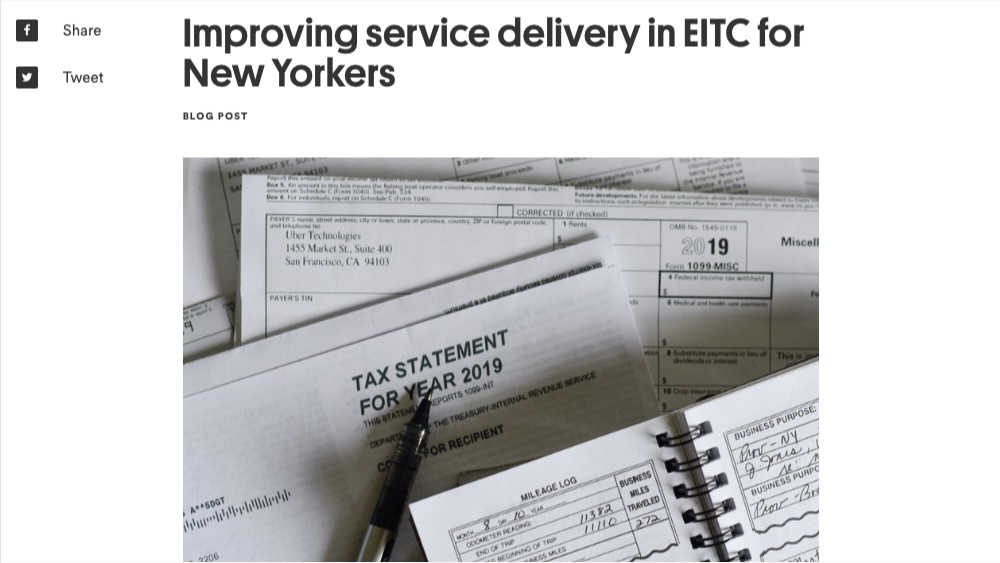
The Improving Service Delivery in EITC for New Yorkers initiative explores ways to enhance access to the Earned Income Tax Credit (EITC) through improved outreach, application processes, and service delivery.
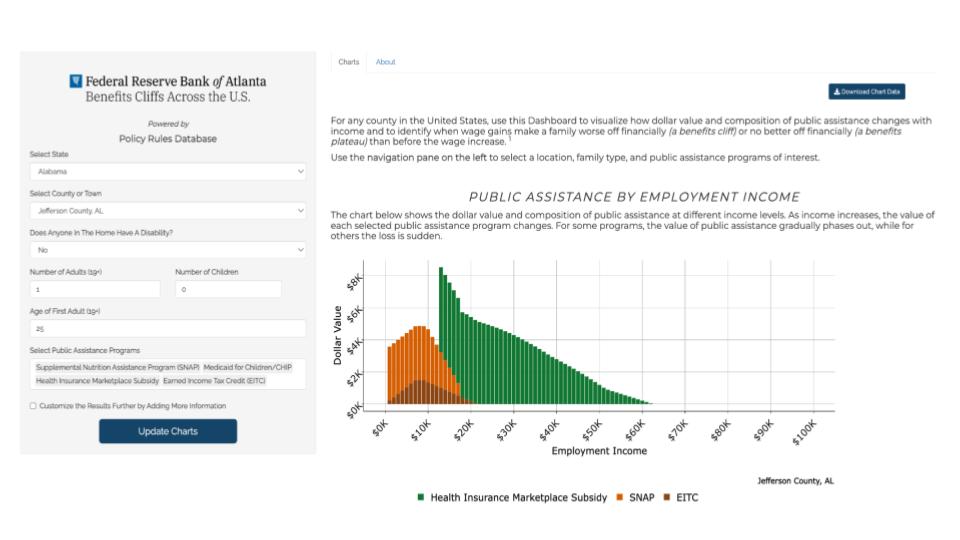
The Policy Rules Database (PRD), developed by the Federal Reserve Bank of Atlanta and the National Center for Children in Poverty, consolidates complex rules for major U.S. federal and state benefit programs and tax policies into a standardized, easy-to-use format. This database allows researchers to model public assistance impacts, simulate policy changes, and analyze benefits cliffs across various household scenarios using common rules and language across different programming platforms.
This brief offers a new, anti-racist vision for transforming the Child Care and Development Fund (CCDF) into a program that actively pushes back against structural racism and advances racial equity and economic prosperity for all families.
This report celebrates 50 years of improving maternal and child health in the U.S. through WIC and offers advancements, challenges, and solutions for the future.
An outline of the opportunities for modernizing SNAP to better meet participant needs by streamlining enrollment, improving digital access, and enhancing coordination with other safety net services.
California’s SNAP program faced record application volume due to the COVID-19 crisis, and other states must anticipate similar demand. This post summarizes key takeaways from GetCalFresh’s real-time data and client communications, and offers recommendations for how other states can implement effective responses.