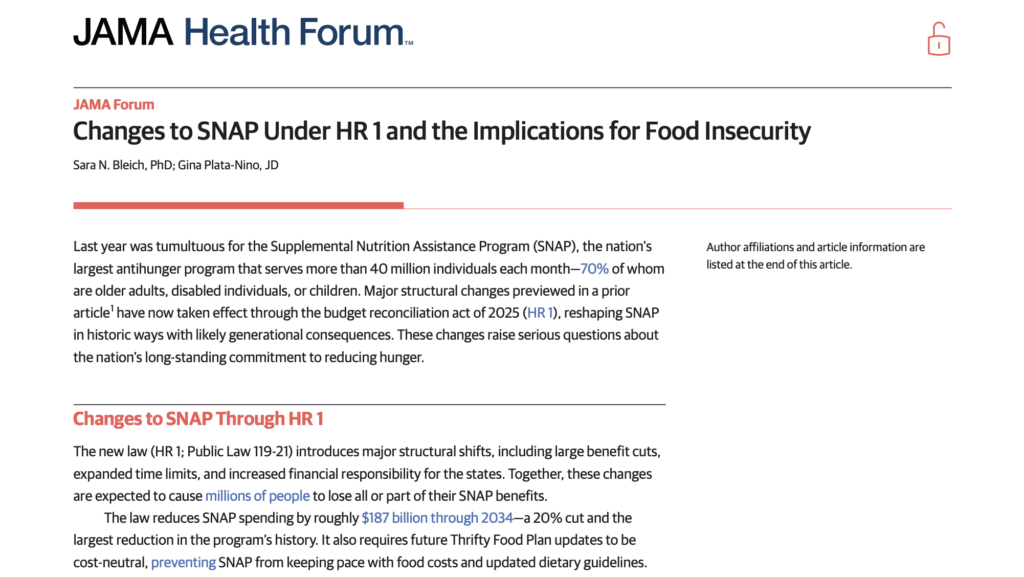
This article examines the historic structural changes to the Supplemental Nutrition Assistance Program (SNAP) enacted through H.R. 1 and their potential consequences for public health and food security.
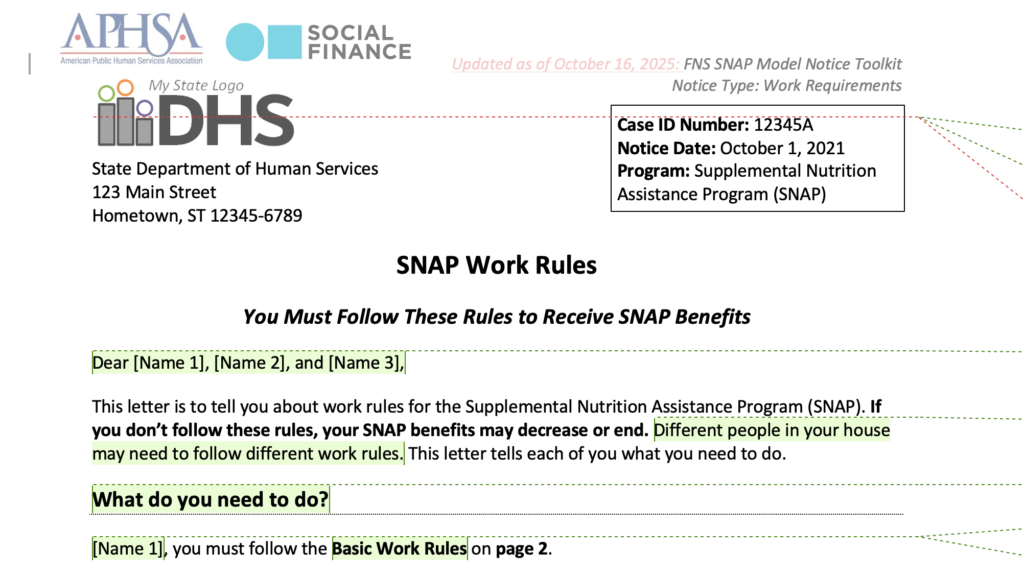
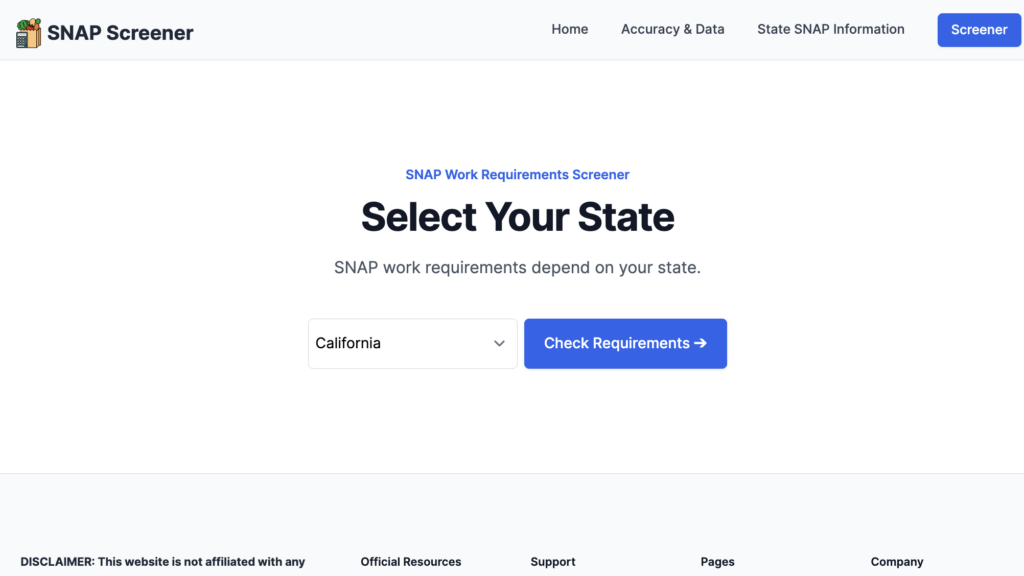
This is a practical, plain-language screening tool designed to help SNAP clients determine if they qualify for exemptions from the program's work requirements.
This webinar presentation outlines the essential communication requirements and outreach standards for states preparing for Medicaid work reporting mandates starting in 2027.
A technical guide that outlines policy and system design strategies states can use to reduce procedural terminations when implementing Medicaid work reporting requirements.
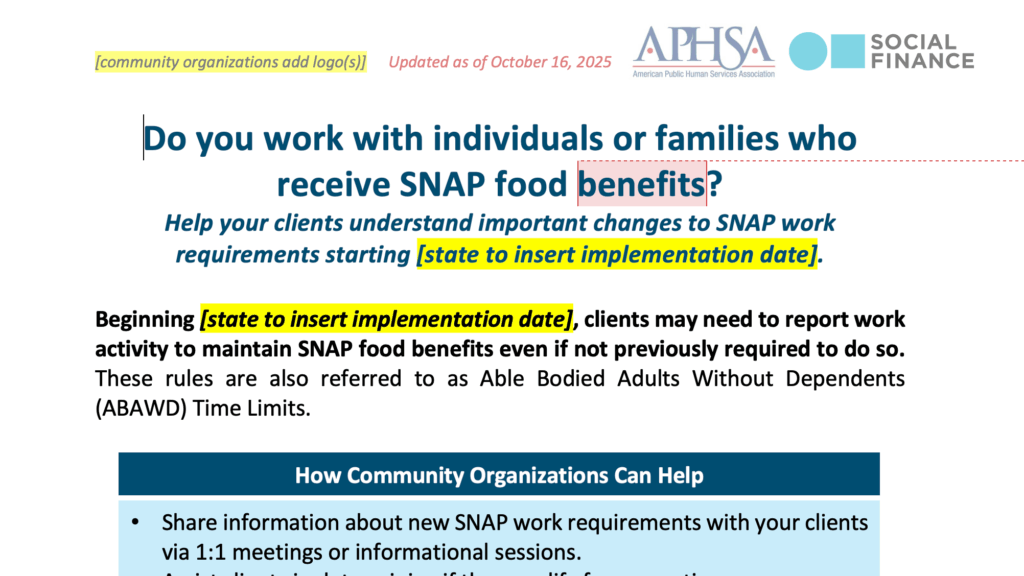
This document is a template for creating a community-based organization (CBO)-facing flyer that explains HR1 work requirements changes and how CBOs can help spread the work and screen SNAP participants and applicants.
American Public Human Services Association (APHSA)
This economic analysis article examines how state-level policy variations have created increasingly wide disparities in Unemployment Insurance (UI) benefit levels and access.
This guide explains how states can implement new Medicaid work requirements introduced by H.R. 1, focusing on minimizing harm to eligible clients while preparing for compliance by 2027.
A detailed guide outlining how states can minimize coverage losses and administrative burden while implementing new Medicaid work requirements established under the 2025 federal reconciliation law.